
Stories
Checked facts in easy words, so you can answer right away when your child asks.
Dinosaur stories 110 stories
-
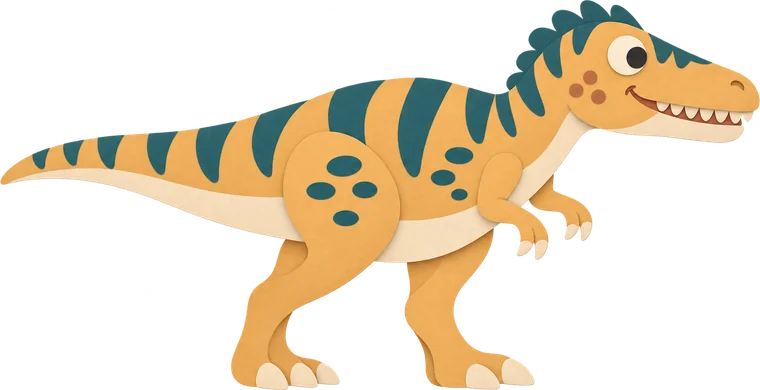 Carcharodontosaurus Facts for Kids: Did Its Teeth Really Look Like a Shark's? Answers to Your Child's Dinosaur QuestionsAbout 12 m long · Late Cretaceous. How big was Carcharodontosaurus, what did it eat, when did it live, and what about its saw-edged, shark-like teeth? Checked facts in simple words you can read to your child.
-
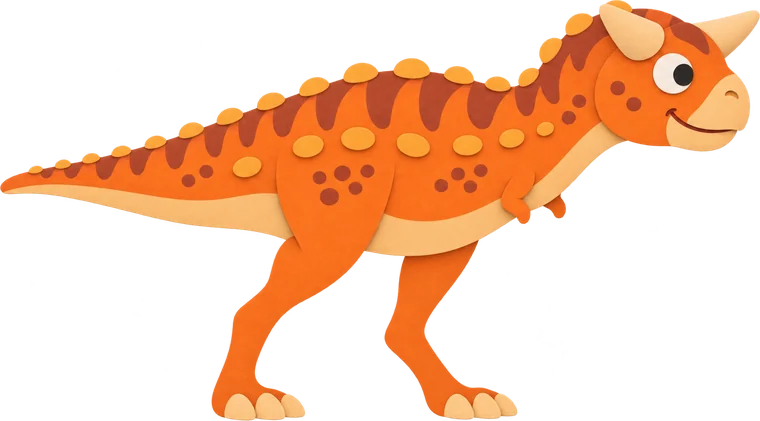 Carnotaurus Facts for Kids: What Were the Horns Above Its Eyes For? Answers to Your Child's Dinosaur QuestionsAbout 8 m long · Late Cretaceous. How big was Carnotaurus, what did it eat, when did it live, and what about its bull-like horns and very short arms? Checked facts in simple words you can read to your child.
-
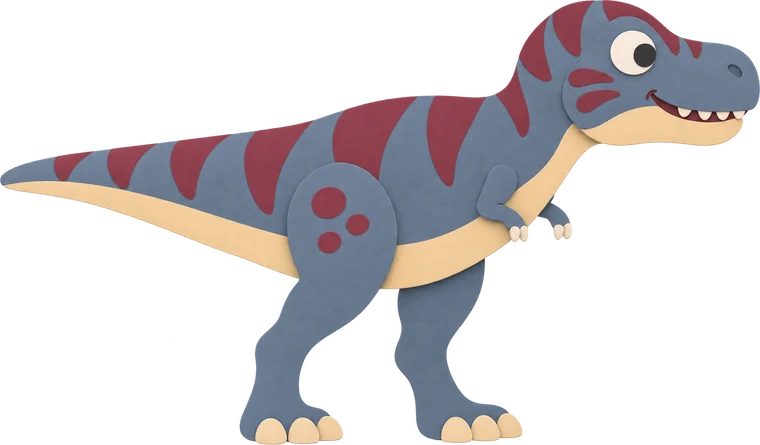 Tarbosaurus Facts for Kids: Is It a Relative of Tyrannosaurus? Answers to Your Child's Dinosaur QuestionsAbout 10 m long · Late Cretaceous. How big was Tarbosaurus, what did it eat, when did it live, and how is it like and unlike Tyrannosaurus? Checked facts in simple words you can read to your child.
-
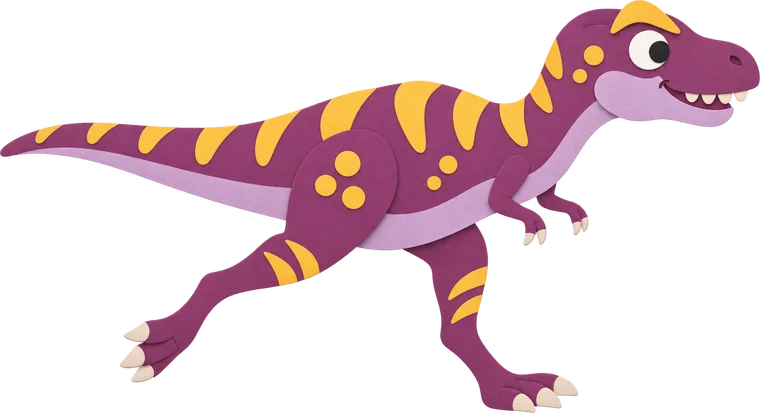 Albertosaurus Facts for Kids: Did It Really Live in Groups? Answers to Your Child's Dinosaur QuestionsAbout 9 m long · Late Cretaceous. How big was Albertosaurus, what did it eat, when did it live, and what about the fossils of many animals found together? Checked facts in simple words you can read to your child.
-
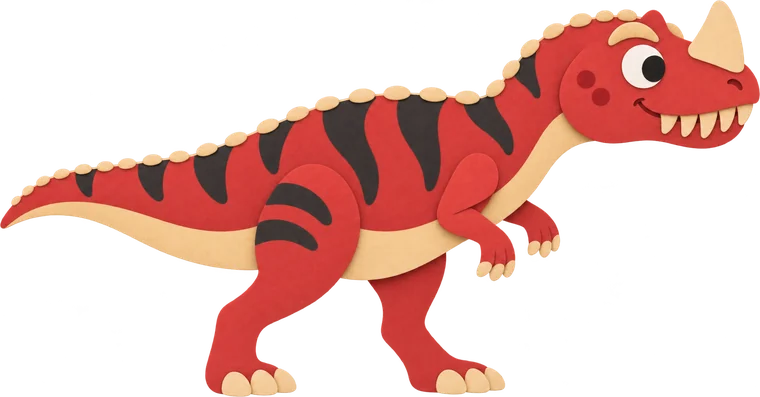 Ceratosaurus Facts for Kids: Did It Fight with the Horn on Its Nose? Answers to Your Child's Dinosaur QuestionsAbout 6 m long · Late Jurassic. How big was Ceratosaurus, what did it eat, when did it live, and what was the horn on its nose for? Checked facts in simple words you can read to your child.
-
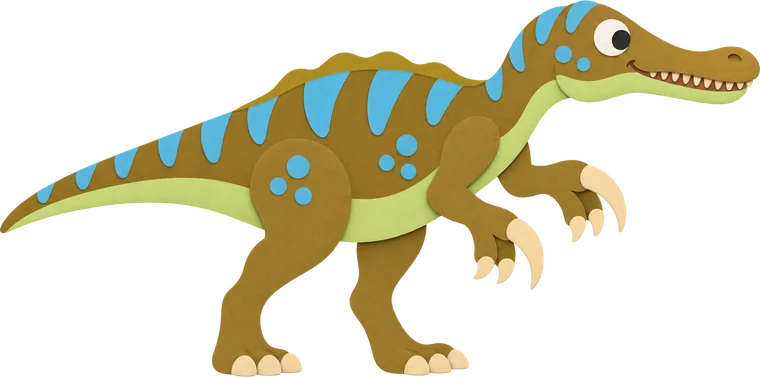 Baryonyx Facts for Kids: Did It Catch Fish with Its Big Claw? Answers to Your Child's Dinosaur QuestionsAbout 9 m long · Early Cretaceous. How big was Baryonyx, what did it eat, when did it live, and what about its big thumb claw and its fishing? Checked facts in simple words you can read to your child.
-
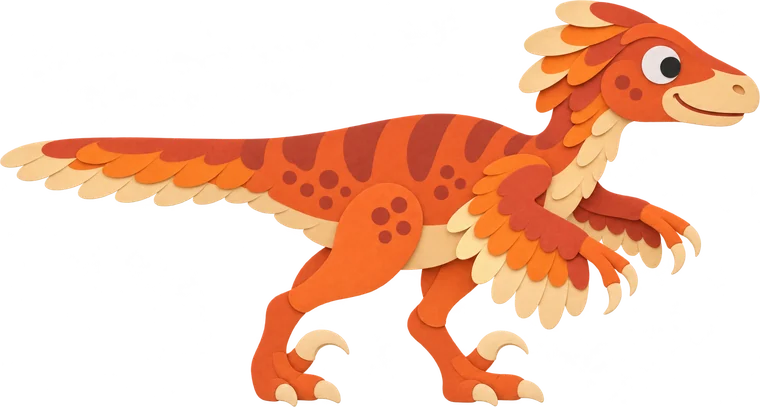 Deinonychus Facts for Kids: How Big Was Its Hooked Claw? Answers to Your Child's Dinosaur QuestionsAbout 3.4 m long · Early Cretaceous. How big was Deinonychus, what did it eat, when did it live, and what about the big hooked claw on its second toe? Checked facts in simple words you can read to your child.
-
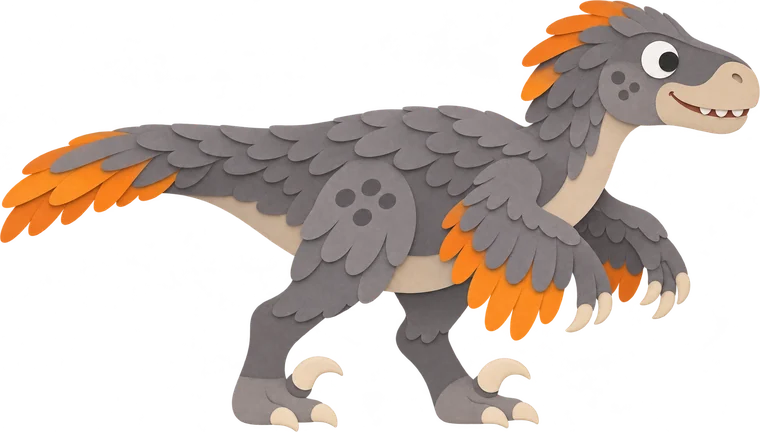 Utahraptor Facts for Kids: Was It the Biggest Raptor? Answers to Your Child's Dinosaur QuestionsAbout 6 m long · Early Cretaceous. How big was Utahraptor, what did it eat, when did it live, and what about its hooked claws and the biggest body of all the raptors? Checked facts in simple words you can read to your child.
-
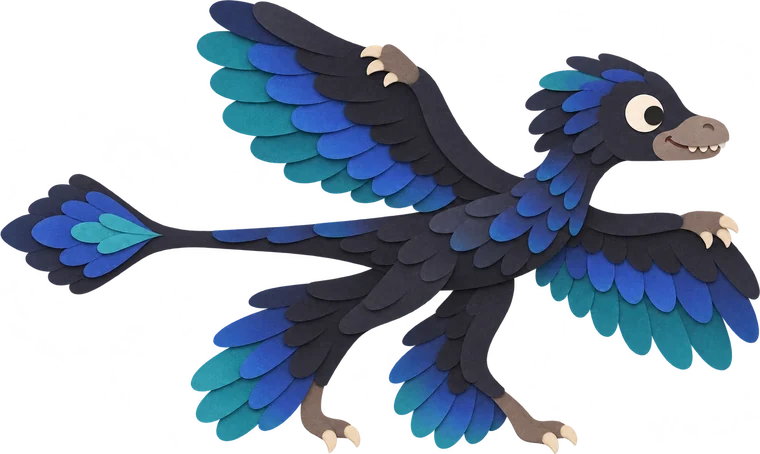 Microraptor Facts for Kids: Did It Really Have Four Wings? Answers to Your Child's Dinosaur QuestionsAbout 0.8 m long · Early Cretaceous. How big was Microraptor, what did it eat, when did it live, and what about its four wings and shiny black feathers? Checked facts in simple words you can read to your child.
-
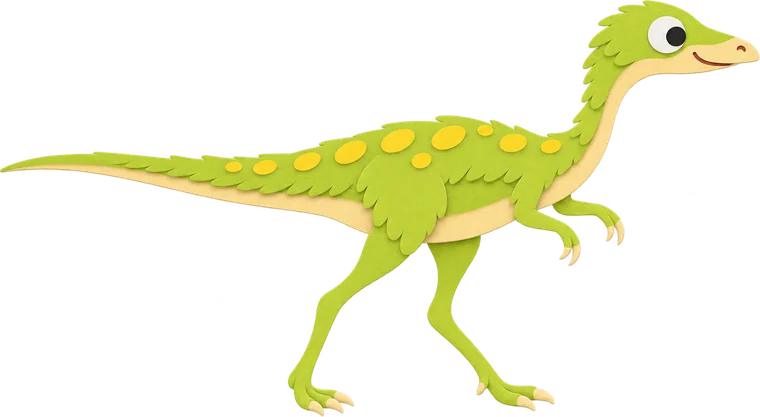 Compsognathus Facts for Kids: Was It Really as Small as a Chicken? Answers to Your Child's Dinosaur QuestionsAbout 1 m long · Late Jurassic. How big was Compsognathus, what did it eat, when did it live, and what about the small lizard found in its belly? Checked facts in simple words you can read to your child.
-
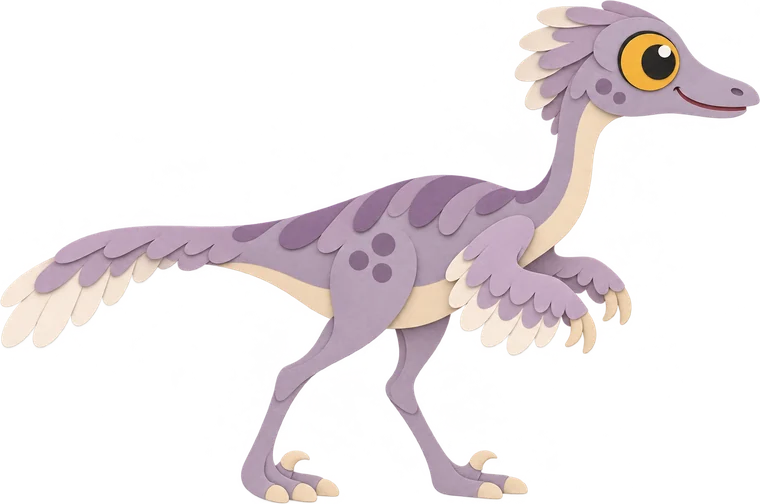 Troodon Facts for Kids: Why Were Its Eyes So Big? Answers to Your Child's Dinosaur QuestionsAbout 2.4 m long · Late Cretaceous. How big was Troodon, what did it eat, when did it live, and how did its big eyes probably help it see in the dark? Simple words, ready for your child's questions.
-
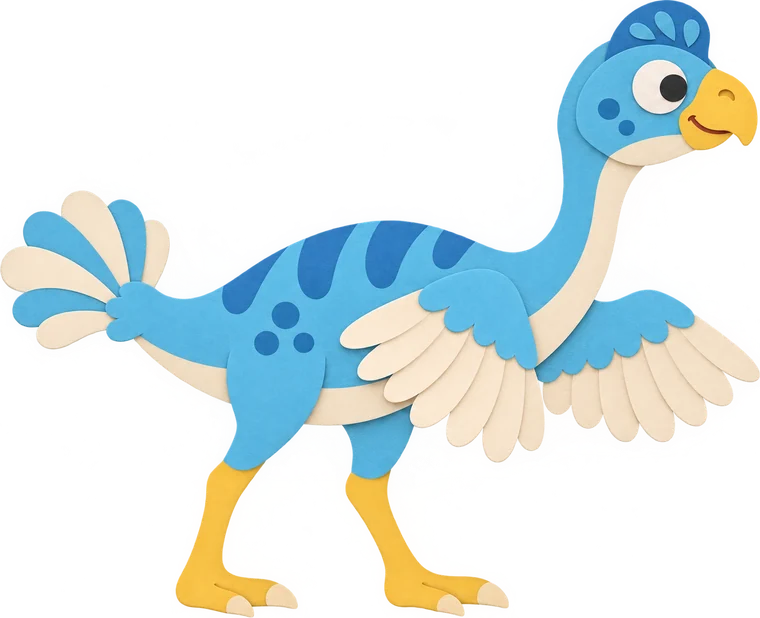 Oviraptor Facts for Kids: Was It Really an Egg Thief? Answers to Your Child's Dinosaur QuestionsAbout 1.8 m long · Late Cretaceous. How big was Oviraptor, what did it eat, when did it live, and how did it get the unfair name "egg thief"? Simple words, ready for your child's questions.
-
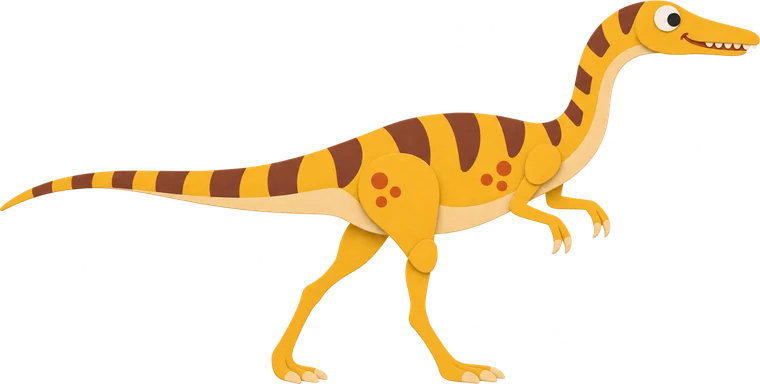 Coelophysis Facts for Kids: Were Its Bones Really Hollow? Answers to Your Child's Dinosaur QuestionsAbout 3 m long · Late Triassic. How big was Coelophysis, what did it eat, when did it live, and how did one of its skulls end up in space? Simple words, ready for your child's questions.
-
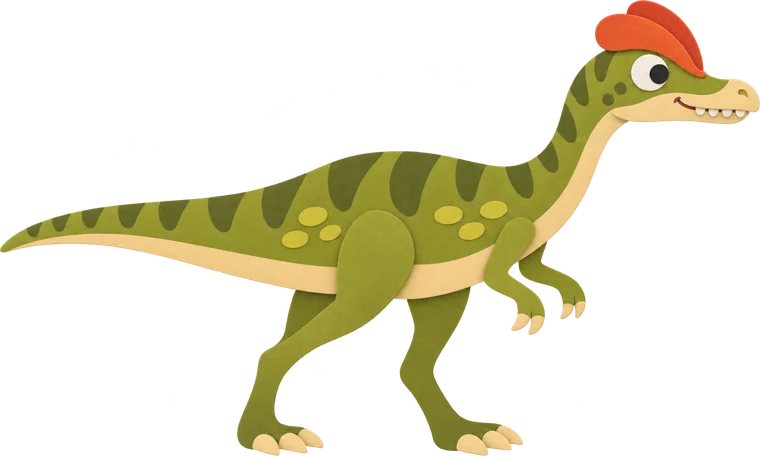 Dilophosaurus Facts for Kids: Did It Really Spit Poison? Answers to Your Child's Dinosaur QuestionsAbout 6 m long · Early Jurassic. How big was Dilophosaurus, what did it eat, when did it live, and how was the real animal different from the one in the film? Simple words about its two head crests too.
-
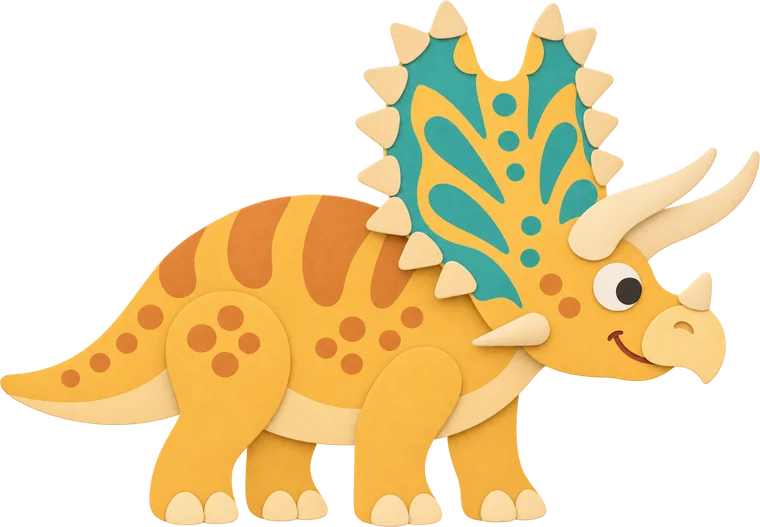 Pentaceratops Facts for Kids: Did It Really Have Five Horns? Answers to Your Child's Dinosaur QuestionsAbout 6 m long · Late Cretaceous. How big was Pentaceratops, what did it eat, when did it live, and what is the secret of the 'five horns' in its name? Checked facts in simple words you can read to your child.
-
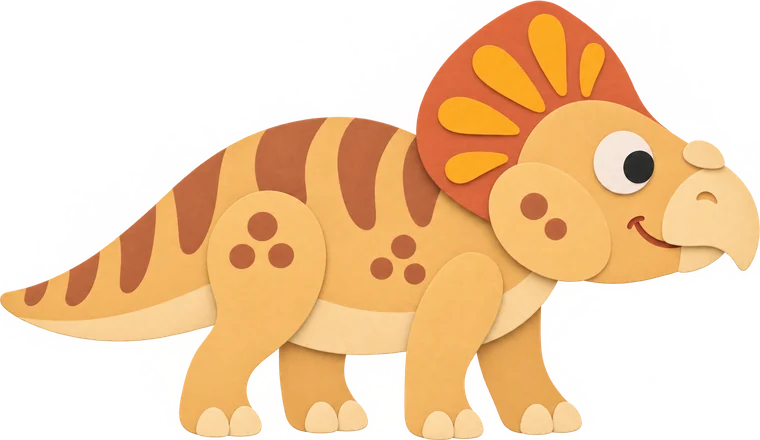 Protoceratops Facts for Kids: Did It Really Fight Velociraptor? Answers to Your Child's Dinosaur QuestionsAbout 2 m long · Late Cretaceous. How big was Protoceratops, what did it eat, when did it live, and what is the famous fossil it shares with Velociraptor? Checked facts in simple words you can read to your child.
-
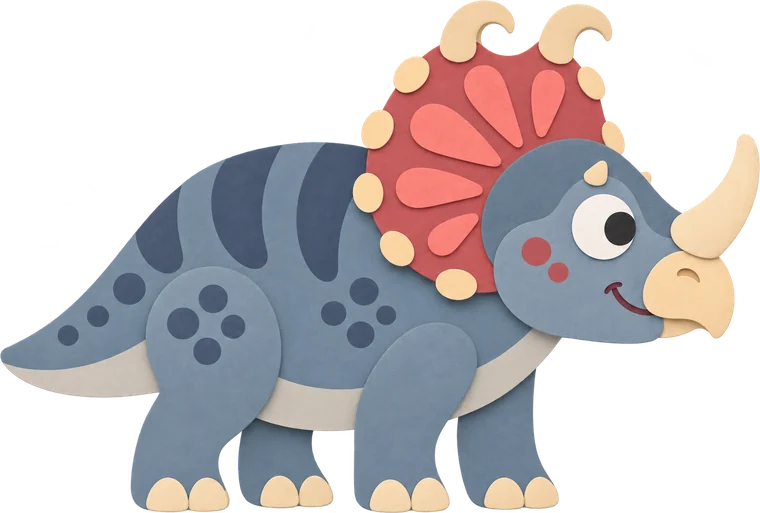 Centrosaurus Facts for Kids: Did Thousands Really Travel Together? Answers to Your Child's Dinosaur QuestionsAbout 5.5 m long · Late Cretaceous. How big was Centrosaurus, what did it eat, when did it live, and what is the field of fossils where the bones of thousands were found? Checked facts in simple words you can read to your child.
-
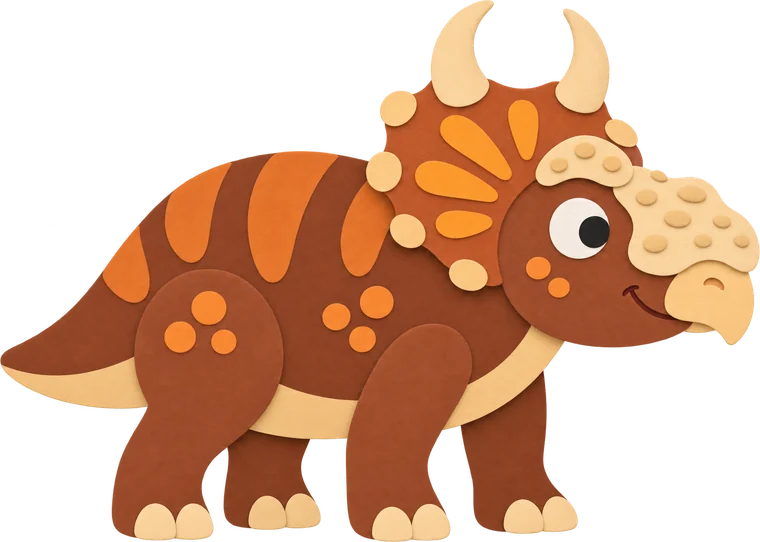 Pachyrhinosaurus Facts for Kids: Why a Lump on Its Nose and No Horn? Answers to Your Child's Dinosaur QuestionsAbout 6 m long · Late Cretaceous. How big was Pachyrhinosaurus, what did it eat, when did it live, and how did it live in Alaska, where the sun does not rise in winter? Checked facts in simple words you can read to your child.
-
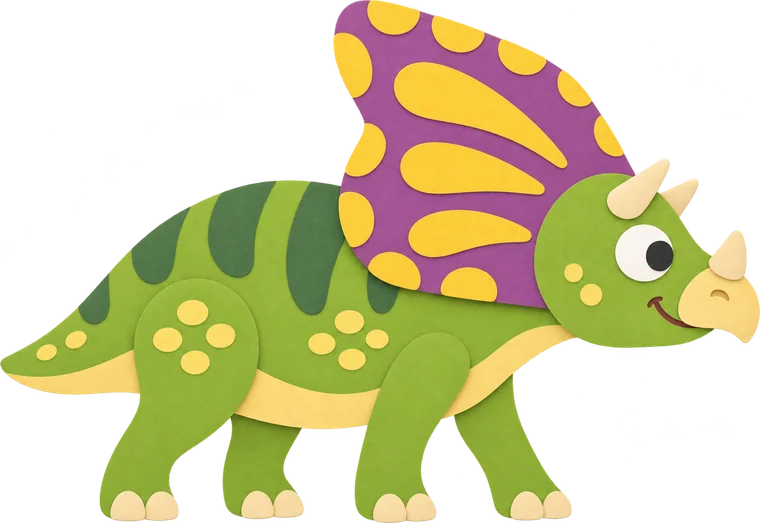 Chasmosaurus Facts for Kids: Why Are There Holes in Its Frill Bone? Answers to Your Child's Dinosaur QuestionsAbout 4.8 m long · Late Cretaceous. How big was Chasmosaurus, what did it eat, when did it live, and what is the story of its square frill with holes? Checked facts in simple words you can read to your child.
-
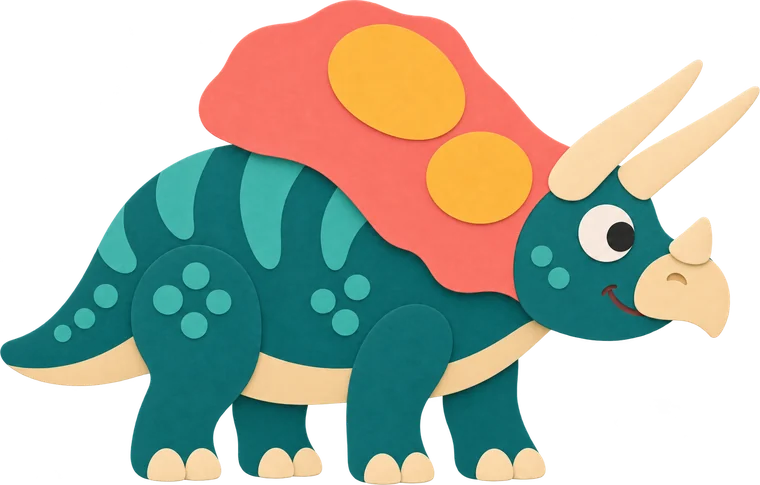 Torosaurus Facts for Kids: How Is It Different from Triceratops? Answers to Your Child's Dinosaur QuestionsAbout 8 m long · Late Cretaceous. How big was Torosaurus, what did it eat, when did it live, and how can you tell it from its lookalike Triceratops? Checked facts in simple words you can read to your child.
-
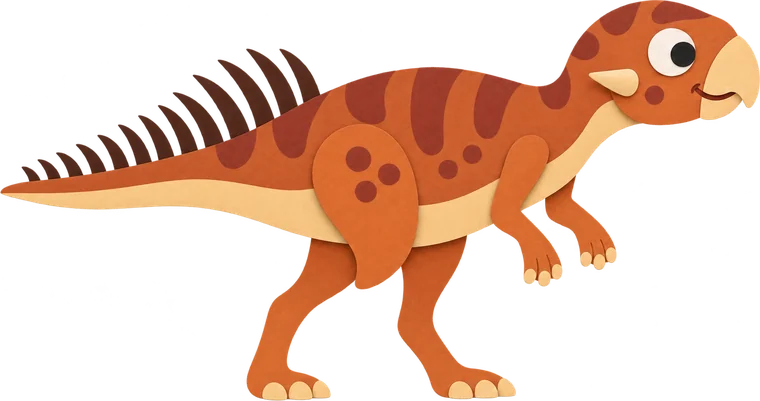 Psittacosaurus Facts for Kids: How Do We Know a Dinosaur's Colour? Answers to Your Child's Dinosaur QuestionsAbout 2 m long · Early Cretaceous. How big was Psittacosaurus, what did it eat, when did it live, and how did a fossil show us its body colour? Checked facts in simple words you can read to your child.
-
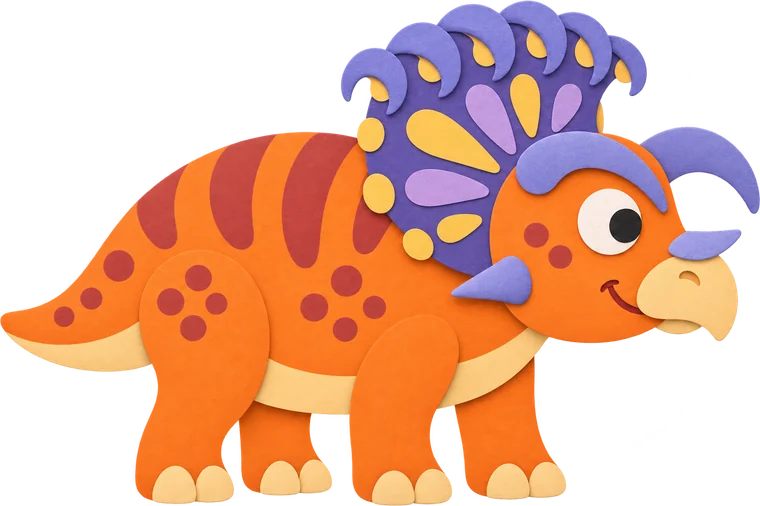 Kosmoceratops Facts for Kids: Did It Really Have Fifteen Horns? Answers to Your Child's Dinosaur QuestionsAbout 4.5 m long · Late Cretaceous. How big was Kosmoceratops, what did it eat, when did it live, and where on its head were all fifteen horns and decorations? Checked facts in simple words you can read to your child.
-
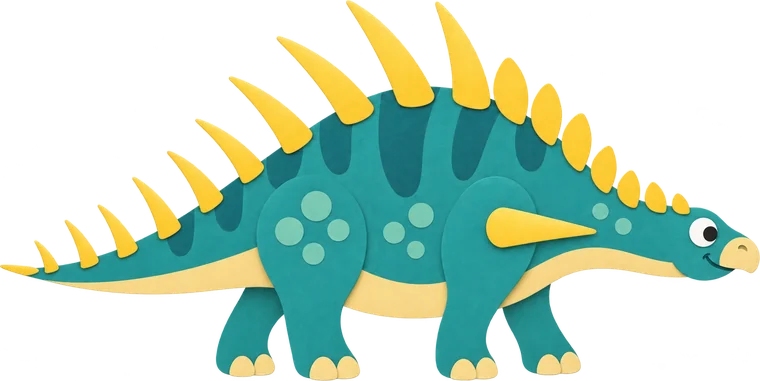 Kentrosaurus Facts for Kids: How Fast Was Its Spiky Tail? Answers to Your Child's Dinosaur QuestionsAbout 4.5 m long · Late Jurassic. How big was Kentrosaurus, what did it eat, when did it live, and how fast could it swing its spiky tail? Checked facts in simple words you can read to your child.
-
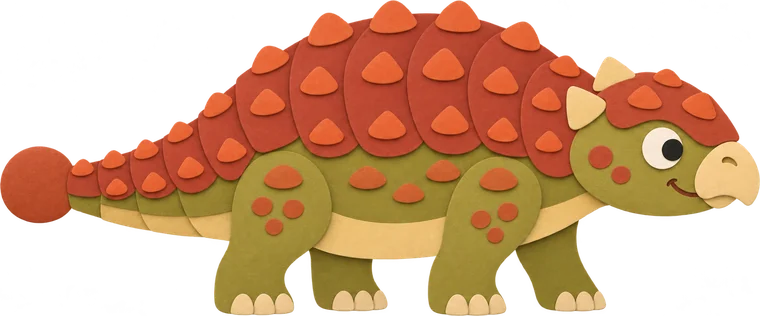 Euoplocephalus Facts for Kids: Were Even Its Eyelids Covered in Bone? Answers to Your Child's Dinosaur QuestionsAbout 5.3 m long · Late Cretaceous. How big was Euoplocephalus, what did it eat, when did it live, and what about the bony armour all over its body and its tail club? Checked facts in simple words you can read to your child.
-
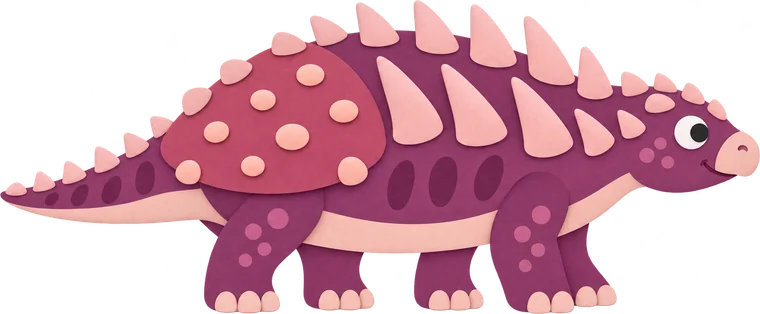 Polacanthus Facts for Kids: What Is the Shield on Its Hips? Answers to Your Child's Dinosaur QuestionsAbout 4.5 m long · Early Cretaceous. How big was Polacanthus, what did it eat, when did it live, and what is the wide bony shield over its hips? Simple words, ready for your child's questions.
-
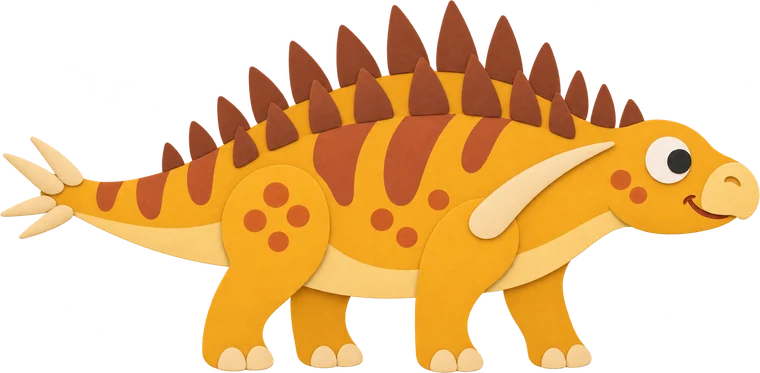 Huayangosaurus Facts for Kids: How Is It Different From Stegosaurus? Answers to Your Child's Dinosaur QuestionsAbout 4 m long · Middle Jurassic. How big was Huayangosaurus, what did it eat, when did it live, and how is this much earlier plated dinosaur different from Stegosaurus? Simple words, ready for your child's questions.
-
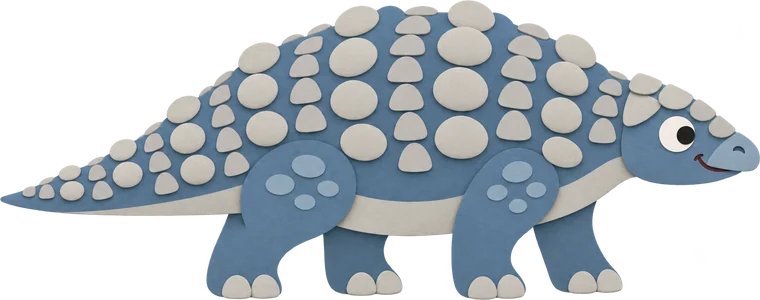 Nodosaurus Facts for Kids: Is There an Armoured Dinosaur With No Tail Club? Answers to Your Child's Dinosaur QuestionsAbout 5 m long · Late Cretaceous. How big was Nodosaurus, what did it eat, when did it live, and what about its bumpy back armour and its tail with no club? Simple words, ready for your child's questions.
-
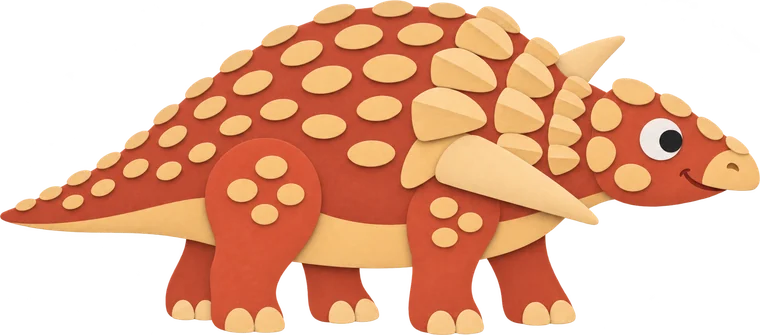 Edmontonia Facts for Kids: What Were the Big Shoulder Spikes For? Answers to Your Child's Dinosaur QuestionsAbout 6 m long · Late Cretaceous. How big was Edmontonia, what did it eat, when did it live, and what are the big spikes that point forward from its shoulders? Simple words, ready for your child's questions.
-
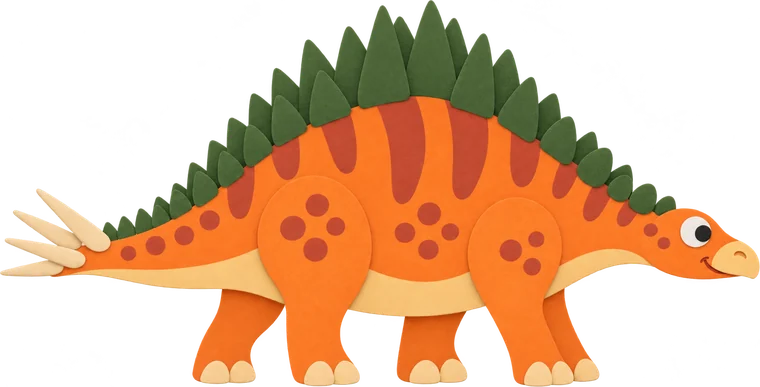 Tuojiangosaurus Facts for Kids: What Were the Spikes on Its Tail For? Answers to Your Child's Dinosaur QuestionsAbout 7 m long · Late Jurassic. How big was Tuojiangosaurus, what did it eat, when did it live, and how is it different from Stegosaurus? Simple words, ready for your child's questions.
-
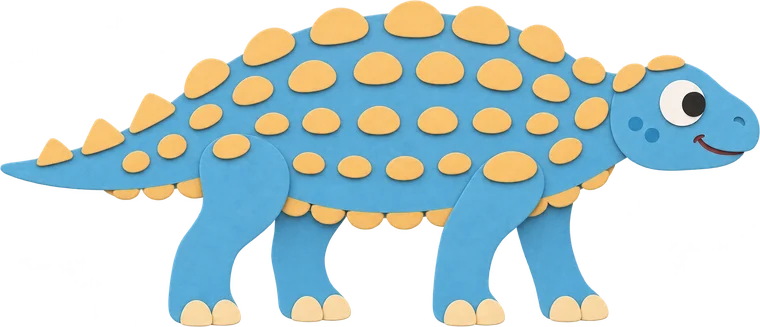 Minmi Facts for Kids: Did It Have Armour on Its Belly Too? Answers to Your Child's Dinosaur QuestionsAbout 3 m long · Early Cretaceous. How big was Minmi, what did it eat, when did it live, and did its small bony armour really cover its belly? A small armoured dinosaur from Australia, explained in simple words for your child.
-
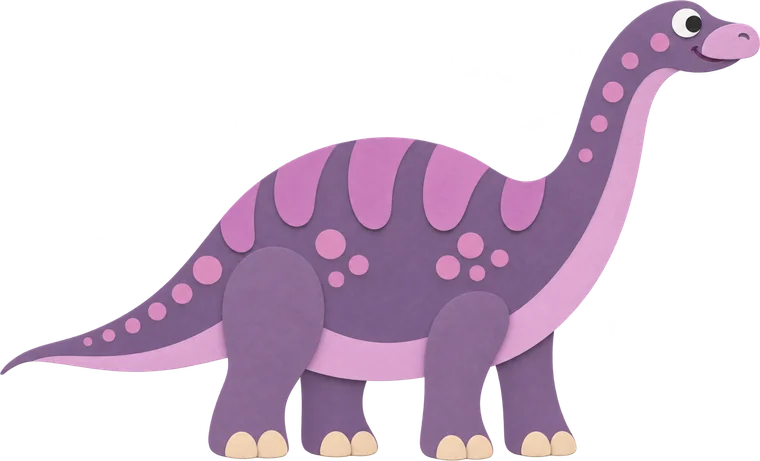 Brontosaurus Facts for Kids: Was It a Real Dinosaur? Answers to Your Child's Dinosaur QuestionsHow big was Brontosaurus, what did it eat, when did it live, and how did its name disappear and come back in 2015? Simple words, ready for your child's questions.
-
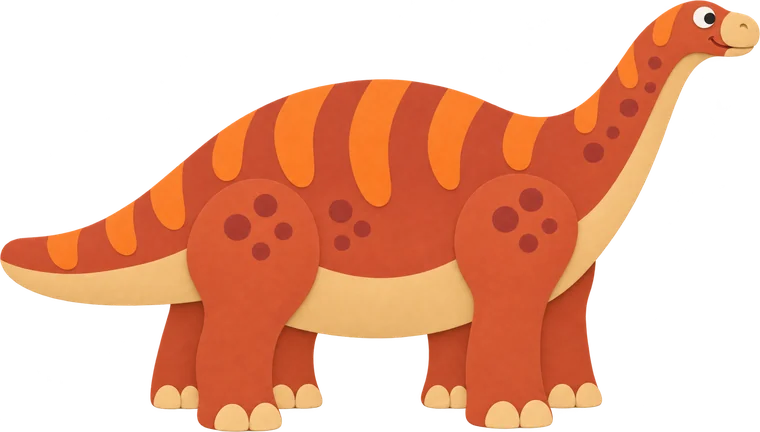 Argentinosaurus Facts for Kids: Was It the Biggest Dinosaur Ever? Answers to Your Child's Dinosaur QuestionsAbout 35 m long · Middle Cretaceous. How big was Argentinosaurus, what did it eat, when did it live, and was it really the biggest dinosaur? Simple words, with a note that the numbers come from just a few bones.
-
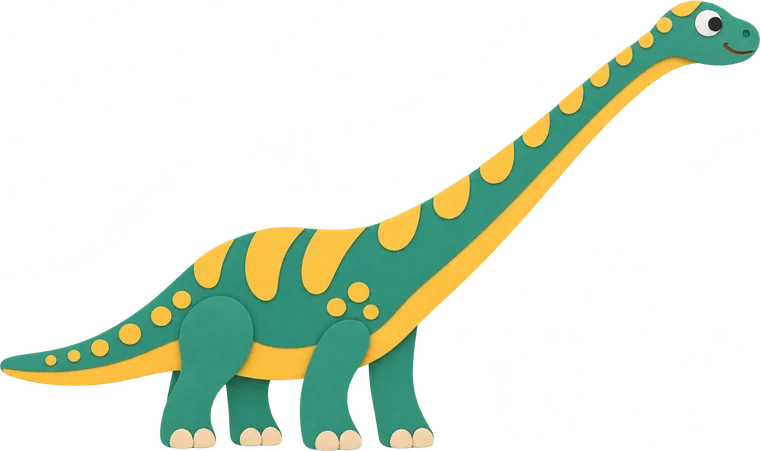 Mamenchisaurus Facts for Kids: How Long Was Its Neck? Answers to Your Child's Dinosaur QuestionsAbout 22 m long · Late Jurassic. How big was Mamenchisaurus, what did it eat, when did it live, and how long was that neck? Checked facts in simple words, ready for your child's questions.
-
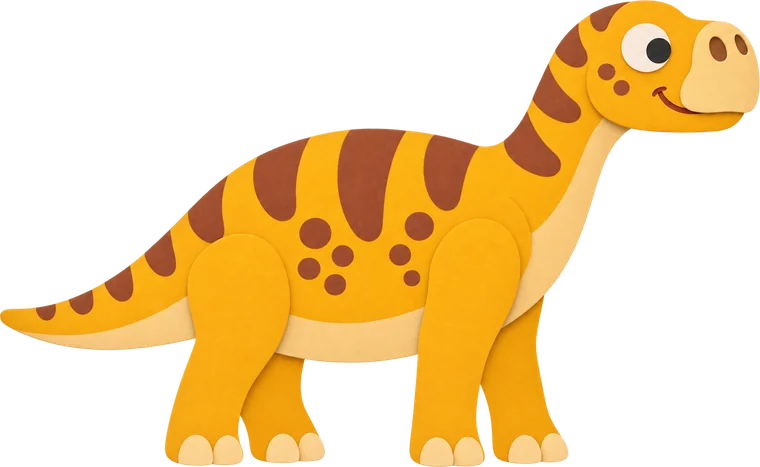 Camarasaurus Facts for Kids: What Did It Eat With Spoon-Shaped Teeth? Answers to Your Child's Dinosaur QuestionsAbout 15 m long · Late Jurassic. How big was Camarasaurus, what did it eat, when did it live, and what were those spoon-shaped teeth for? Checked facts in simple words you can read to your child.
-
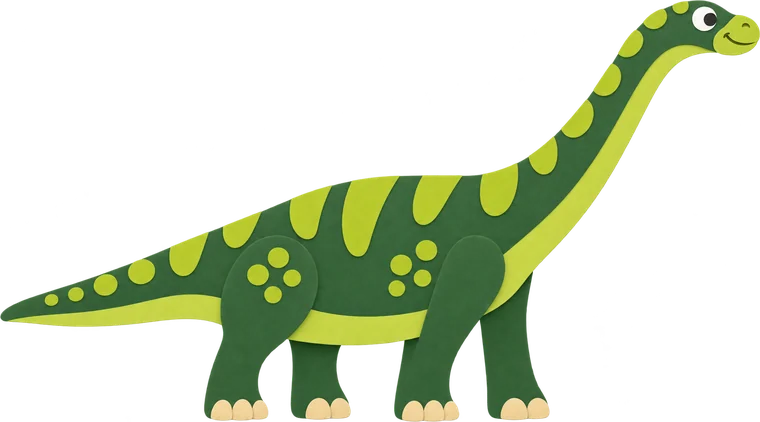 Patagotitan Facts for Kids: Was It Bigger Than Argentinosaurus? Answers to Your Child's Dinosaur QuestionsAbout 37 m long · Early Cretaceous. How big was Patagotitan, what did it eat, when did it live, and was it bigger than Argentinosaurus? Simple words, with a note on why the numbers differ between sources.
-
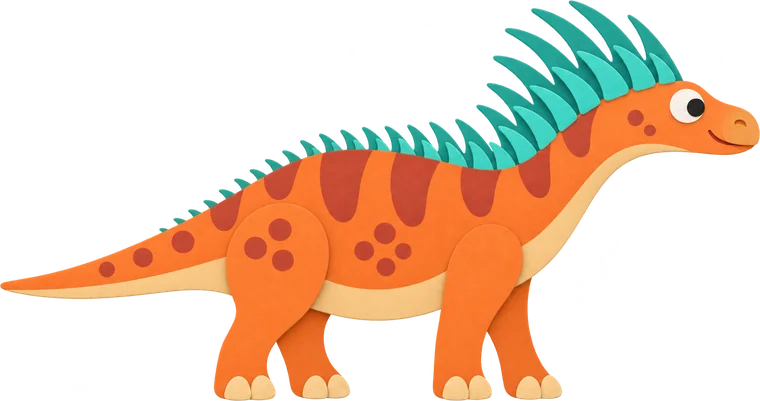 Amargasaurus Facts for Kids: What Were the Spines on Its Neck For? Answers to Your Child's Dinosaur QuestionsAbout 10 m long · Early Cretaceous. How big was Amargasaurus, what did it eat, when did it live, and what were the two rows of long spines on its neck? Simple words, with the uncertain points marked.
-
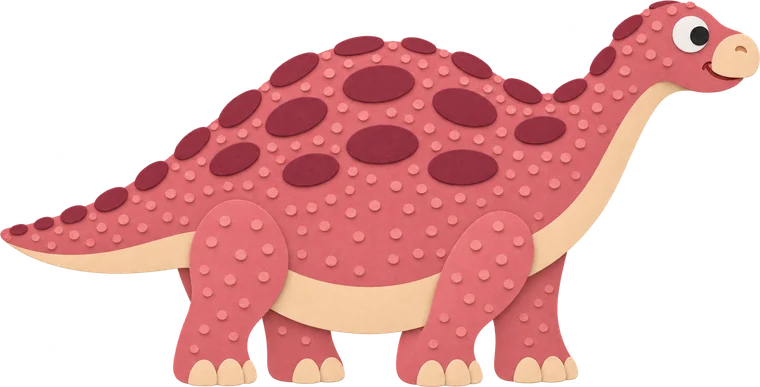 Saltasaurus Facts for Kids: Did Long-Necked Dinosaurs Have Armour? Answers to Your Child's Dinosaur QuestionsAbout 8.5 m long · Late Cretaceous. How big was Saltasaurus, what did it eat, when did it live, and what was the hard bony armour on its back? Checked facts in simple words you can read to your child.
-
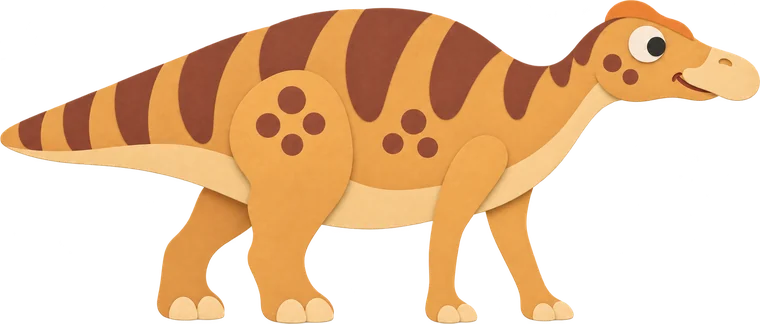 Edmontosaurus Facts for Kids: Did It Really Have Hundreds of Teeth? Answers to Your Child's Dinosaur QuestionsAbout 12 m long · Late Cretaceous. How big was Edmontosaurus, what did it eat, when did it live, did it meet Tyrannosaurus, and did it really have hundreds of teeth? Simple words you can read to your child.
-
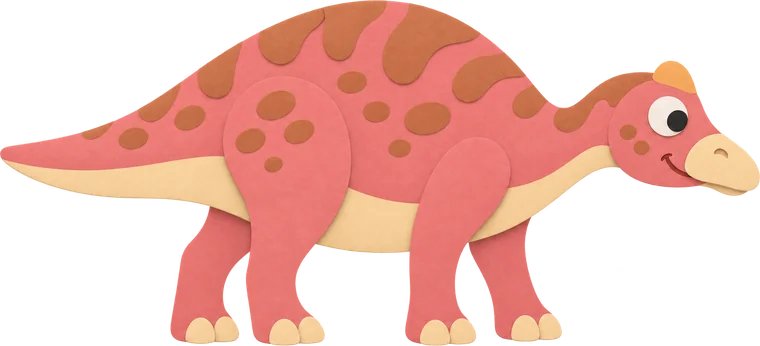 Maiasaura Facts for Kids: Did It Really Look After Its Babies? Answers to Your Child's Dinosaur QuestionsAbout 9 m long · Late Cretaceous. How big was Maiasaura, what did it eat, when did it live, and why is it called the "good mother lizard" that cared for its babies in the nest? Simple words, ready for your child's questions.
-
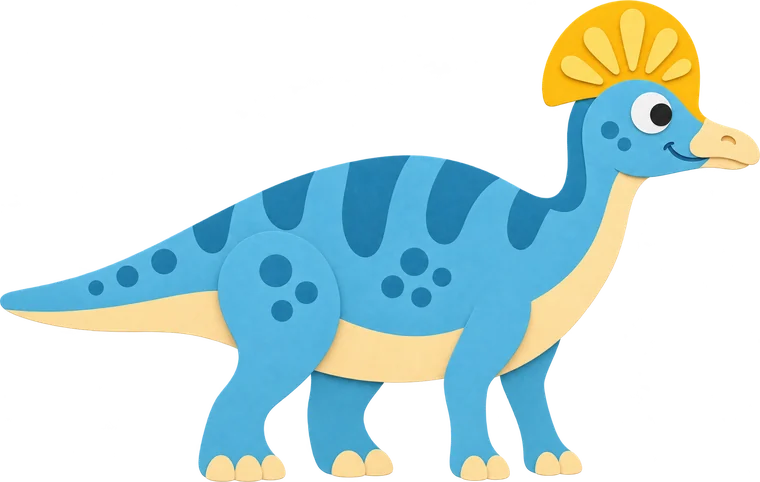 Corythosaurus Facts for Kids: What Was the Round Crest on Its Head For? Answers to Your Child's Dinosaur QuestionsAbout 9 m long · Late Cretaceous. How big was Corythosaurus, what did it eat, when did it live, and what is the round crest that looks like a helmet? Simple words, ready for your child's questions.
-
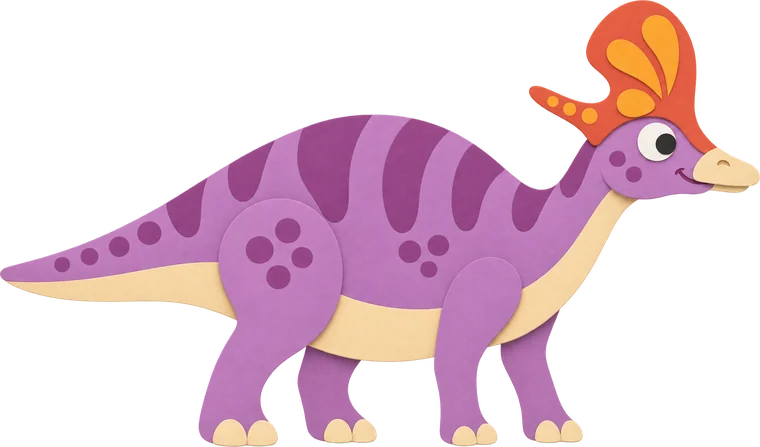 Lambeosaurus Facts for Kids: What Is the Axe-Shaped Crest on Its Head? Answers to Your Child's Dinosaur QuestionsAbout 7.5 m long · Late Cretaceous. How big was Lambeosaurus, what did it eat, when did it live, and what is the axe-shaped crest that grew bigger as it grew up? Simple words, ready for your child's questions.
-
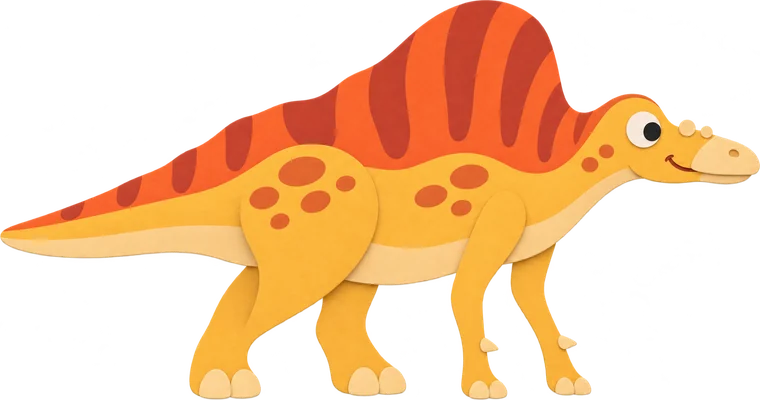 Ouranosaurus Facts for Kids: What Was the Sail on Its Back For? Answers to Your Child's Dinosaur QuestionsAbout 7 m long · Early Cretaceous. How big was Ouranosaurus, what did it eat, when did it live, and what about the big sail that rose from its back to its tail? Simple words, ready for your child's questions.
-
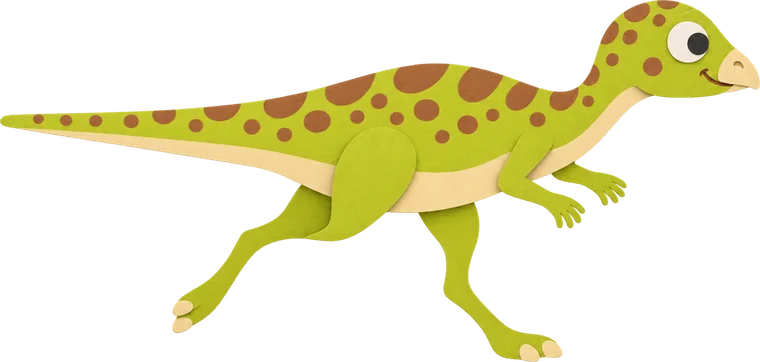 Hypsilophodon Facts for Kids: Did It Really Live in Trees? Answers to Your Child's Dinosaur QuestionsAbout 1.8 m long · Early Cretaceous. How big was Hypsilophodon, what did it eat, when did it live, and why did people once think it lived up in the trees? Simple words, ready for your child's questions.
-
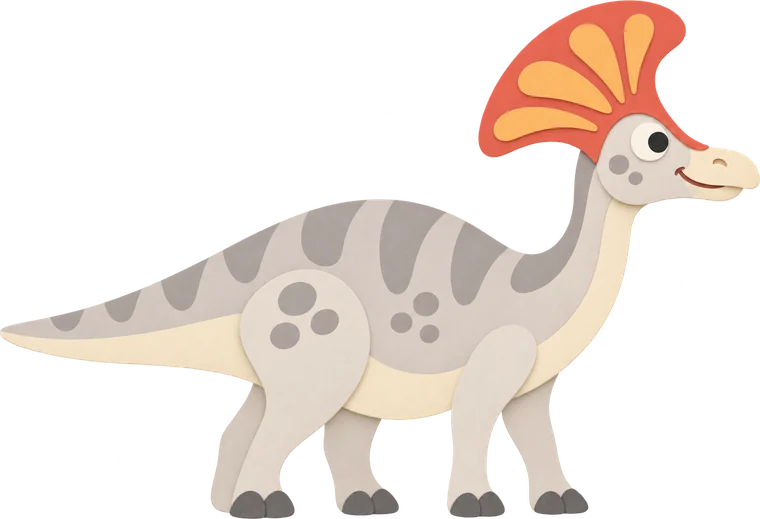 Olorotitan Facts for Kids: Why Is It Called the Giant Swan? Answers to Your Child's Dinosaur QuestionsAbout 8 m long · Late Cretaceous. How big was Olorotitan, what did it eat, when did it live, and what about its fan-like crest and long neck? A duck-billed dinosaur found in Russia, explained in simple words for your child.
-
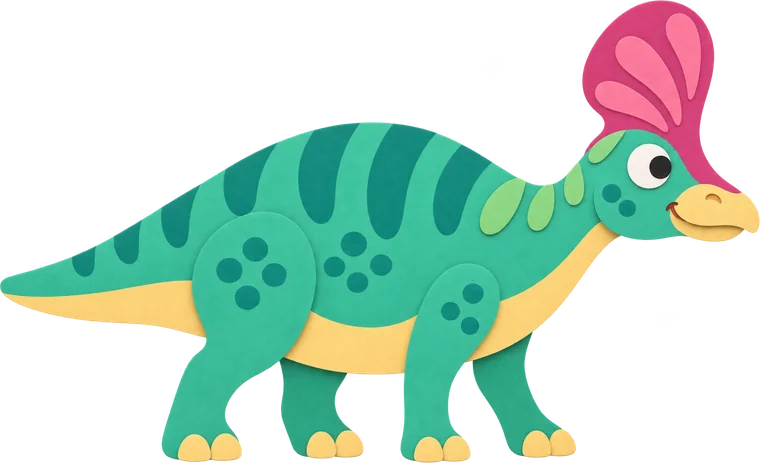 Tsintaosaurus Facts for Kids: Did It Really Have a Horn Like a Unicorn? Answers to Your Child's Dinosaur QuestionsAbout 8.3 m long · Late Cretaceous. How big was Tsintaosaurus, what did it eat, when did it live, and what was the head crest that gave it the name "unicorn dinosaur"? Simple words, ready for your child's questions.
-
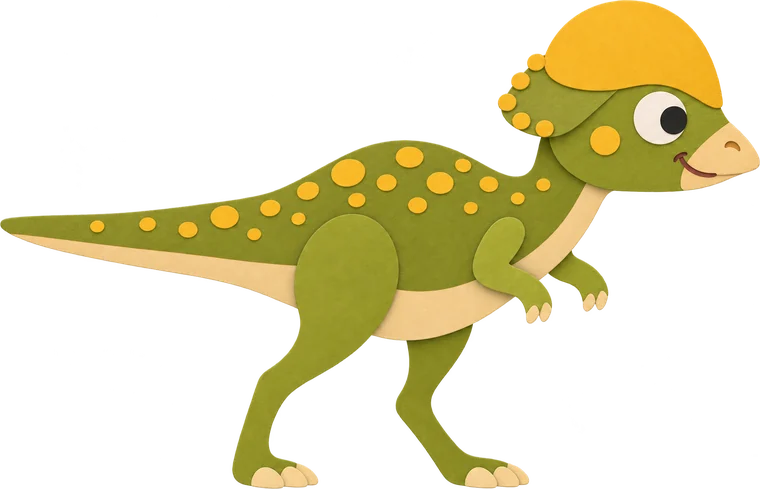 Stegoceras Facts for Kids: Was Its Head Flat When It Was a Baby? Answers to Your Child's Dinosaur QuestionsAbout 2.2 m long · Late Cretaceous. How big was Stegoceras, what did it eat, when did it live, and how did its head grow into a round dome? Simple words you can read straight to your child.
-
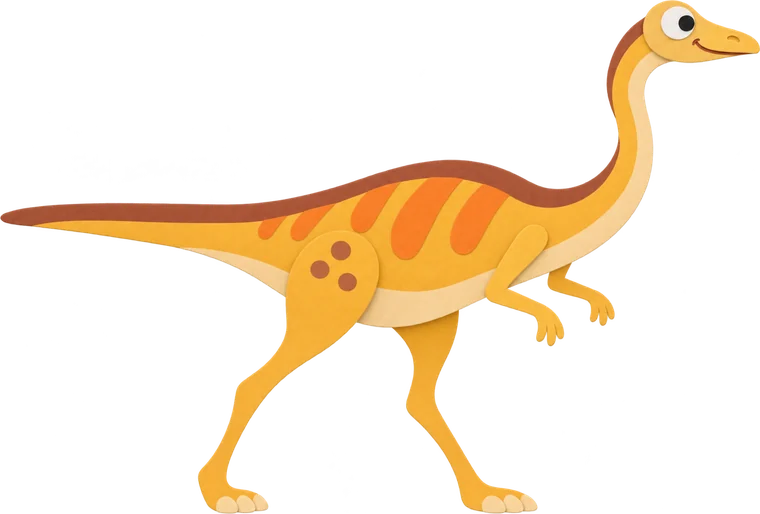 Gallimimus Facts for Kids: Did It Run as Fast as an Ostrich? Answers to Your Child's Dinosaur QuestionsAbout 6 m long · Late Cretaceous. How big was Gallimimus, what did it eat, when did it live, and how fast could it run? Simple words for explaining the dinosaur that runs in a flock in the film.
-
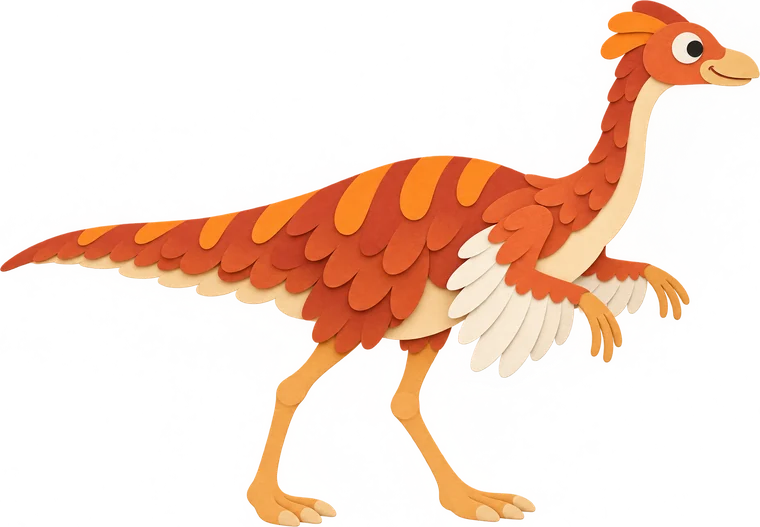 Ornithomimus Facts for Kids: Why Couldn't It Fly With Feathers? Answers to Your Child's Dinosaur QuestionsAbout 3.8 m long · Late Cretaceous. How big was Ornithomimus, what did it eat, when did it live, and what do the feather marks on its fossils tell us? Simple words for answering your child's questions.
-
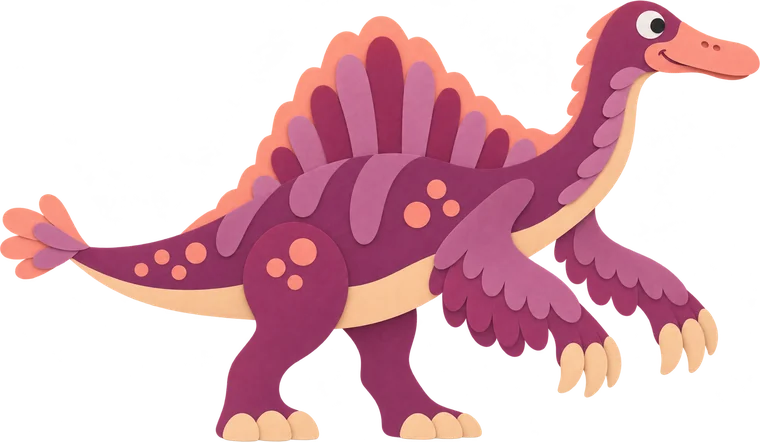 Deinocheirus Facts for Kids: What Did the Dinosaur Known Only From Its Arms Really Look Like? Answers to Your Child's Dinosaur QuestionsHow big was Deinocheirus, what did it eat, when did it live, and what did the whole animal look like when it was finally worked out after 50 years? Told in simple words, with the story of the Korean research team.
-
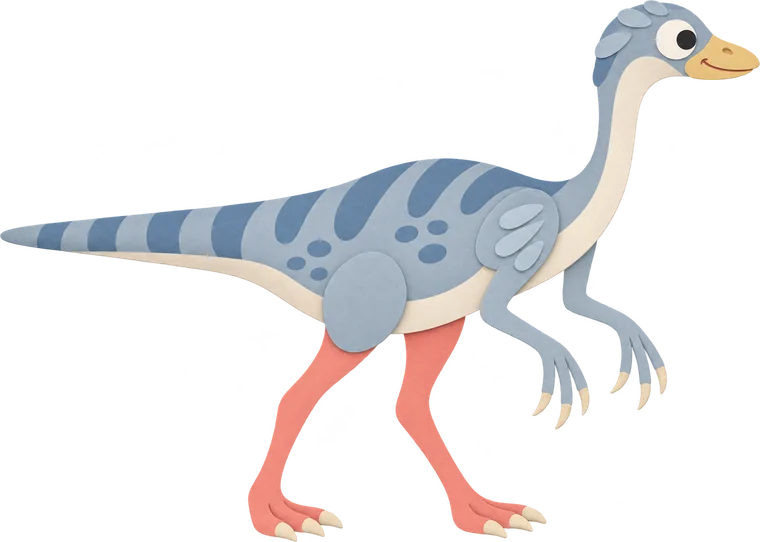 Struthiomimus Facts for Kids: How Much Was It Like an Ostrich? Answers to Your Child's Dinosaur QuestionsAbout 4.3 m long · Late Cretaceous. How big was Struthiomimus, what did it eat, when did it live, and how did its ostrich-like body run? Simple words you can read to your child as they are.
-
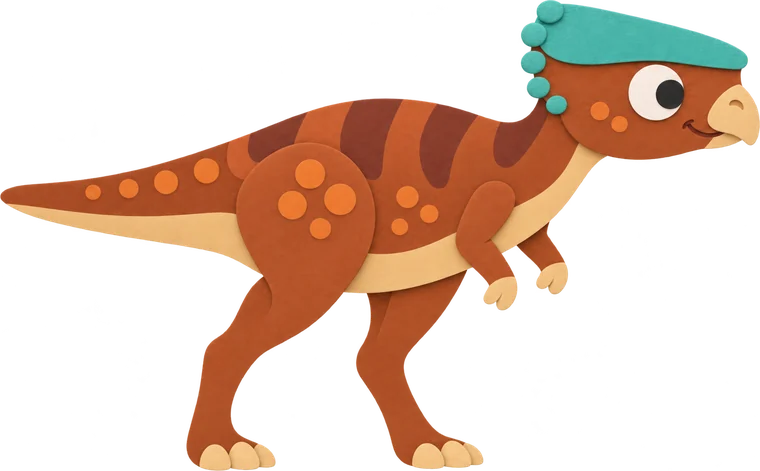 Homalocephale Facts for Kids: Why Is a Dome-Head's Head Flat? Answers to Your Child's Dinosaur QuestionsAbout 1.8 m long · Late Cretaceous. How big was Homalocephale, what did it eat, when did it live, and why was its head flat? Only one fossil exists, so the things we still do not know are listed too.
-
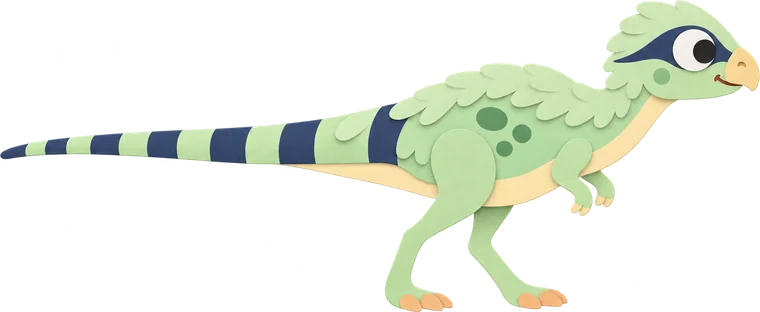 Leaellynasaura Facts for Kids: How Did It Get Through the Dark Winter? Answers to Your Child's Dinosaur QuestionsAbout 1 m long · Early Cretaceous. How big was Leaellynasaura, what did it eat, when did it live, and how did it spend the winter in a forest near the South Pole? Simple words you can read to your child.
-
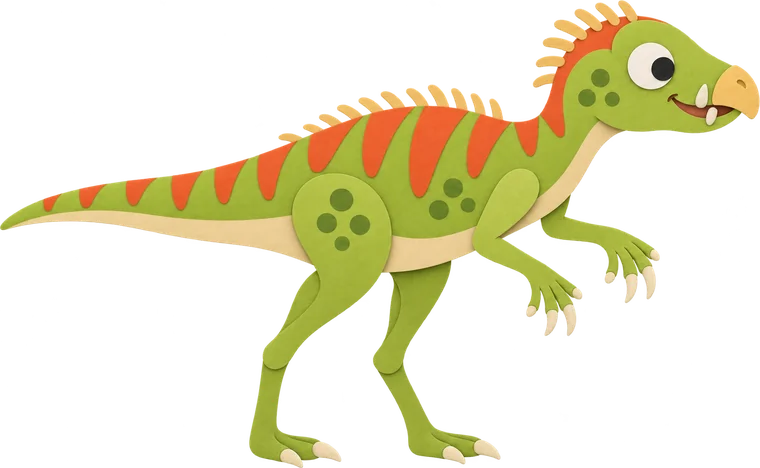 Heterodontosaurus Facts for Kids: Why Did a Plant-Eater Have Fangs? Answers to Your Child's Dinosaur QuestionsAbout 1.2 m long · Early Jurassic. How big was Heterodontosaurus, what did it eat, when did it live, and what is the puzzle of its three kinds of teeth and its fangs? Simple words for answering your child.
-
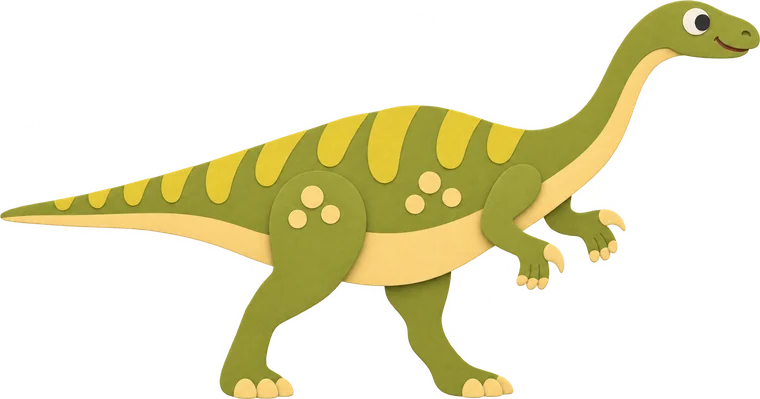 Plateosaurus Facts for Kids: Why Did a Long-Necked Dinosaur Walk on Two Legs? Answers to Your Child's Dinosaur QuestionsAbout 7 m long · Late Triassic. How big was Plateosaurus, what did it eat, when did it live, and why did it walk only on its two back legs? Simple words, ready for your child's questions.
-
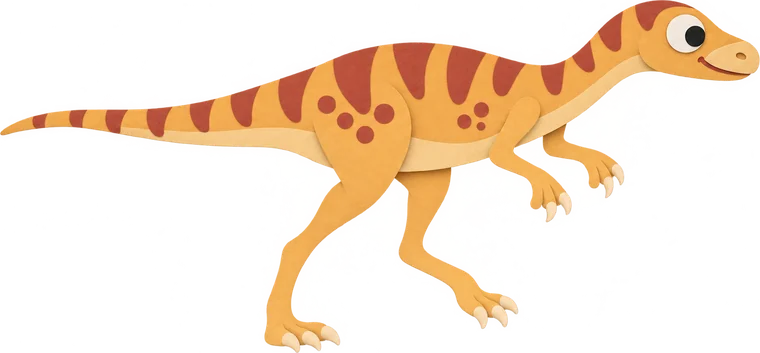 Eoraptor Facts for Kids: How Small Was One of the Oldest Dinosaurs? Answers to Your Child's Dinosaur QuestionsAbout 1.2 m long · Late Triassic. How big was Eoraptor, what did it eat, when did it live, and why is it called one of the oldest dinosaurs? Simple words, ready for your child's questions.
-
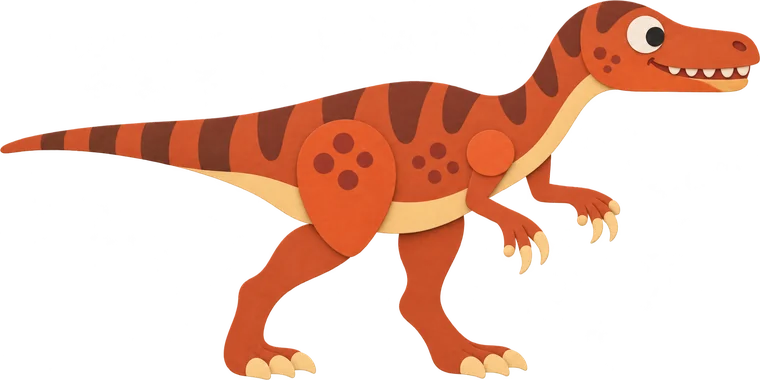 Herrerasaurus Facts for Kids: Who Is It Named After? Answers to Your Child's Dinosaur QuestionsAbout 4.5 m long · Late Triassic. How big was Herrerasaurus, what did it eat, when did it live, and how did it get the name of a goat herder? Simple words, ready for your child's questions.
-
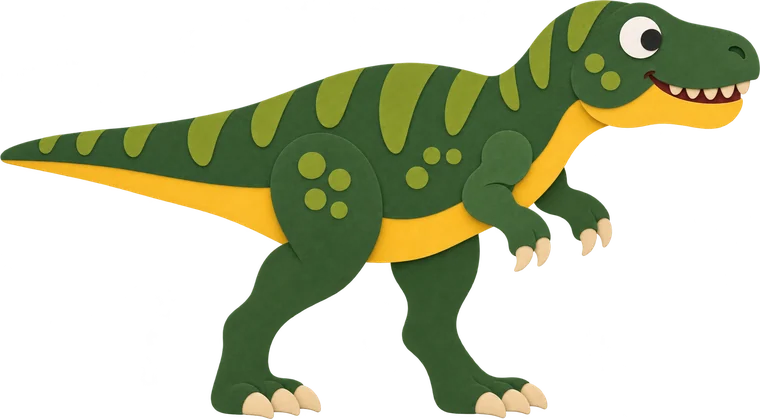 Megalosaurus Facts for Kids: Which Dinosaur Was Named First? Answers to Your Child's Dinosaur QuestionsHow big was Megalosaurus, what did it eat, when did it live, and how did it become the first dinosaur to get a name in 1824? Simple words, ready for your child's questions.
-
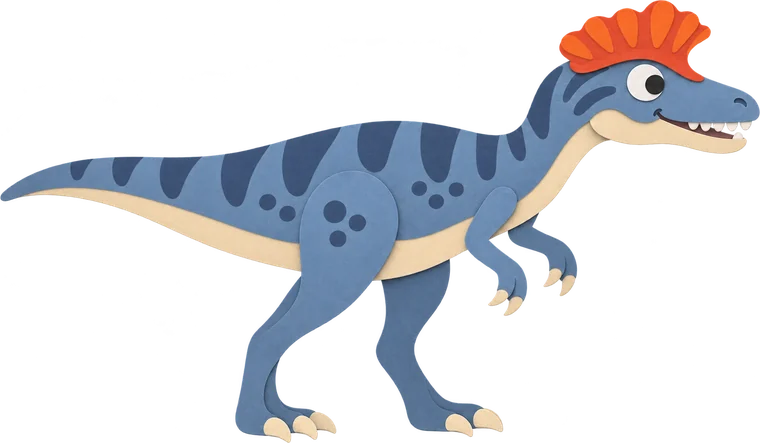 Cryolophosaurus Facts for Kids: Did Dinosaurs Live in Cold Antarctica? Answers to Your Child's Dinosaur QuestionsAbout 6.5 m long · Early Jurassic. How big was Cryolophosaurus, what did it eat, when did it live, and what is the fan-shaped crest found in Antarctica? Simple words, ready for your child's questions.
-
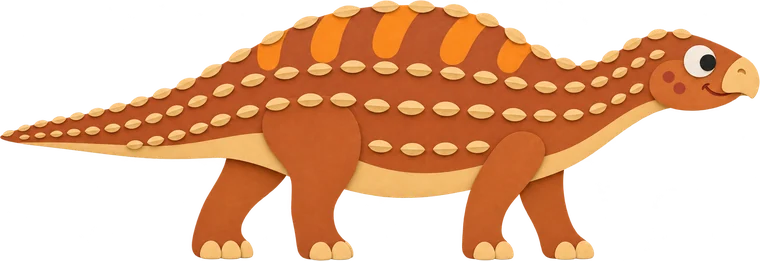 Scelidosaurus Facts for Kids: What Are the Rows of Studs on Its Back? Answers to Your Child's Dinosaur QuestionsAbout 4 m long · Early Jurassic. How big was Scelidosaurus, what did it eat, when did it live, and what are the bony studs in rows from its neck to its tail? Simple words, ready for your child's questions.
-
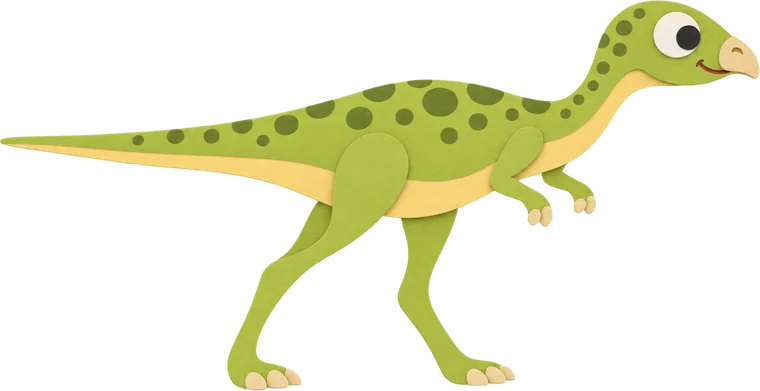 Lesothosaurus Facts for Kids: How Did It Stay Safe With No Armour or Horns? Answers to Your Child's Dinosaur QuestionsAbout 1 m long · Early Jurassic. How big was Lesothosaurus, what did it eat, when did it live, and how did it stay safe with big eyes and long legs? Simple words, ready for your child's questions.
-
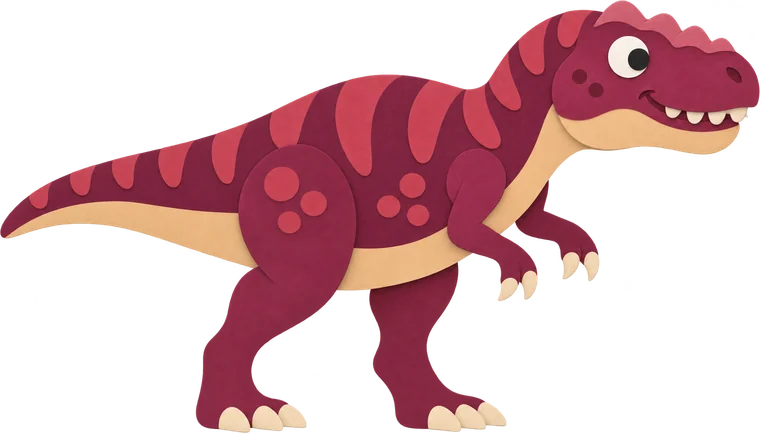 Yangchuanosaurus Facts for Kids: How Big a Hunter Was It? Answers to Your Child's Dinosaur QuestionsAbout 8 m long · Middle to Late Jurassic. How big was Yangchuanosaurus, what did it eat, when did it live, and what do we know about this big meat-eater of Jurassic China? Simple words, ready for your child's questions.
-
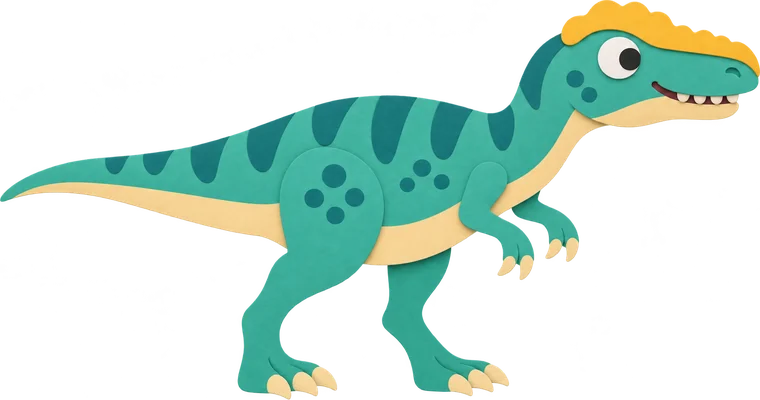 Monolophosaurus Facts for Kids: How Many Crests Did It Have? Answers to Your Child's Dinosaur QuestionsAbout 5 m long · Middle Jurassic. How big was Monolophosaurus, what did it eat, when did it live, and why was its single crest so light? Simple words, ready for your child's questions.
-
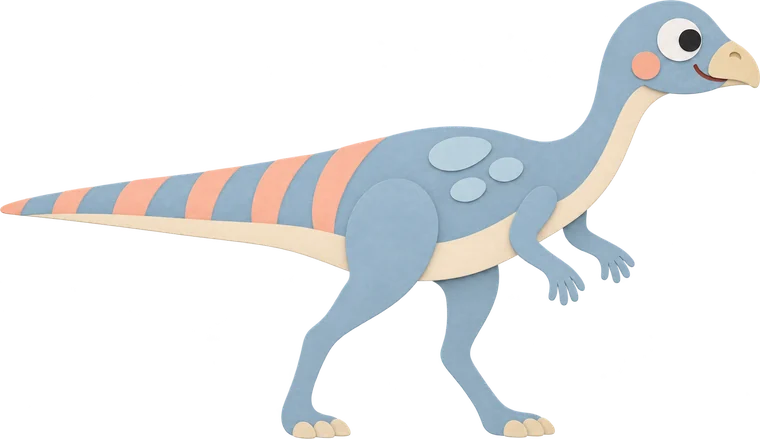 Dryosaurus Facts for Kids: How Did It Stay Safe With No Horns or Armour? Answers to Your Child's Dinosaur QuestionsAbout 3 m long · Late Jurassic. How big was Dryosaurus, what did it eat, when did it live, and how did it get away on its long legs? Simple words, ready for your child's questions.
-
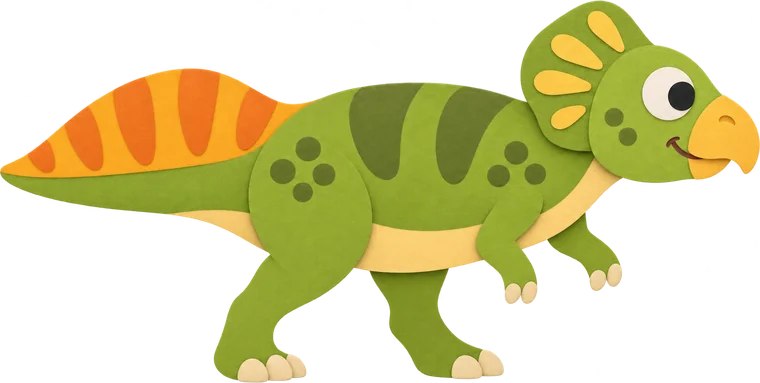 Koreaceratops Facts for Kids: Why Was Its Tail So Tall and Flat? Answers to Your Child's Dinosaur QuestionsAbout 1.5 m long · Early Cretaceous. How big was Koreaceratops, what did it eat, when did it live, and what was its tall, flat tail for? Checked facts about a small horned-dinosaur relative from Hwaseong in South Korea, in simple words.
-
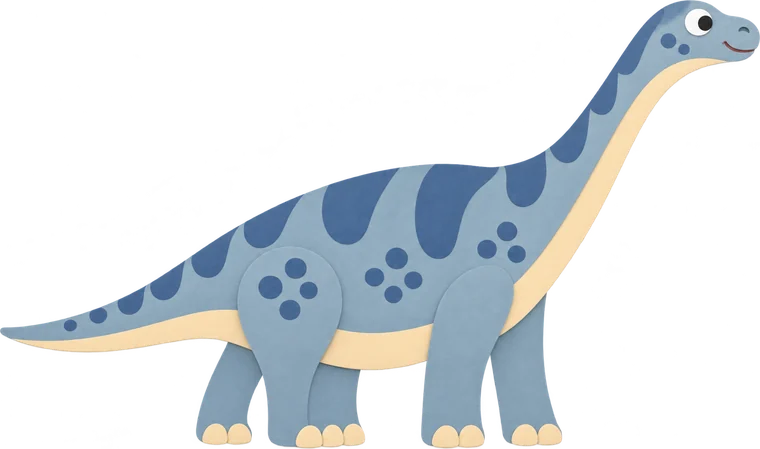 Pukyongosaurus Facts for Kids: Why Is It Named After a School? Answers to Your Child's Dinosaur QuestionsAbout 15 m long · Early Cretaceous. How big was Pukyongosaurus, what did it eat, when did it live, and what are the tooth marks on its tail bone? Checked facts about a long-necked dinosaur from Hadong in South Korea, in simple words.
-
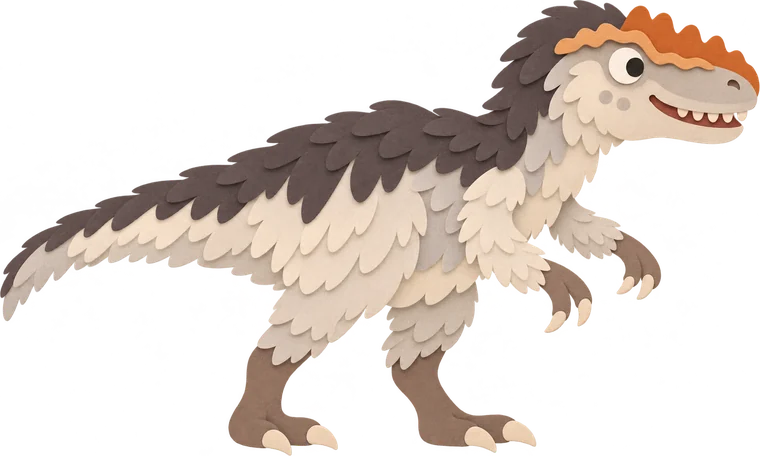 Yutyrannus Facts for Kids: Did Big Meat-Eating Dinosaurs Have Feathers Too? Answers to Your Child's Dinosaur QuestionsAbout 9 m long · Early Cretaceous. How big was Yutyrannus, what did it eat, when did it live, and what about its long, shaggy feathers? Checked facts about the biggest dinosaur found with feather marks, in simple words you can read to your child.
-
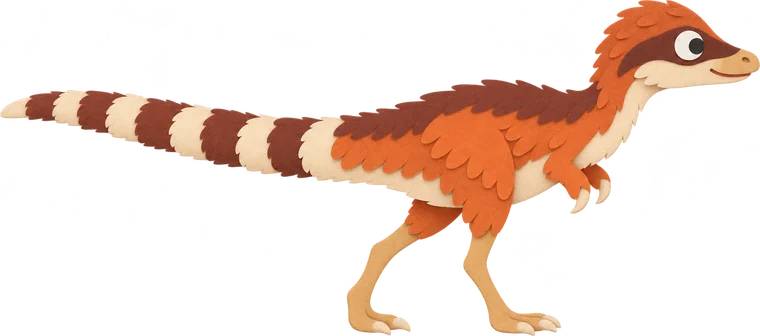 Sinosauropteryx Facts for Kids: Did a Dinosaur Really Have a Striped Tail? Answers to Your Child's Dinosaur QuestionsAbout 1 m long · Early Cretaceous. How big was Sinosauropteryx, what did it eat, when did it live, and what about its striped tail and downy feathers? Checked facts about the first non-bird dinosaur found with feather marks, in simple words.
-
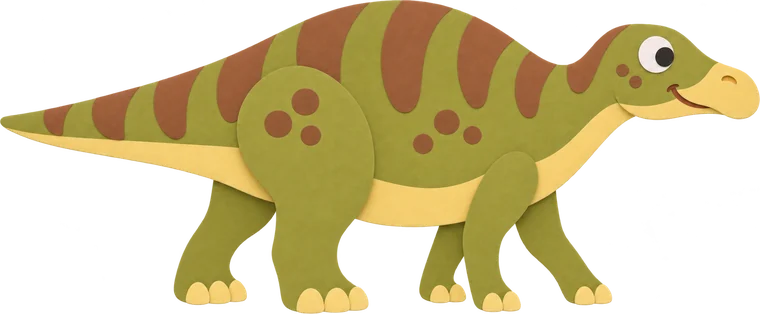 Shantungosaurus Facts for Kids: Did It Really Have 1,500 Teeth? Answers to Your Child's Dinosaur QuestionsHow big was Shantungosaurus, what did it eat, when did it live, and did it really have about 1,500 teeth? Checked facts about the biggest duck-billed dinosaur, in simple words you can read to your child.
-
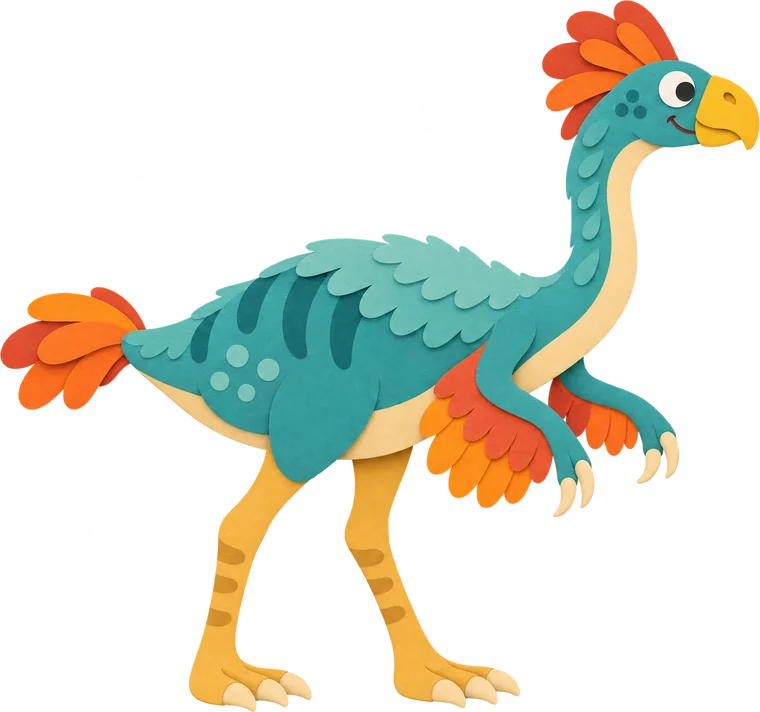 Gigantoraptor Facts for Kids: It Looks Like a Bird, So Why Is It So Big? Answers to Your Child's Dinosaur QuestionsAbout 8 m long · Late Cretaceous. How big was Gigantoraptor, what did it eat, when did it live, and what about its big toothless beak? Checked facts about a huge bird-like dinosaur, in simple words you can read to your child.
-
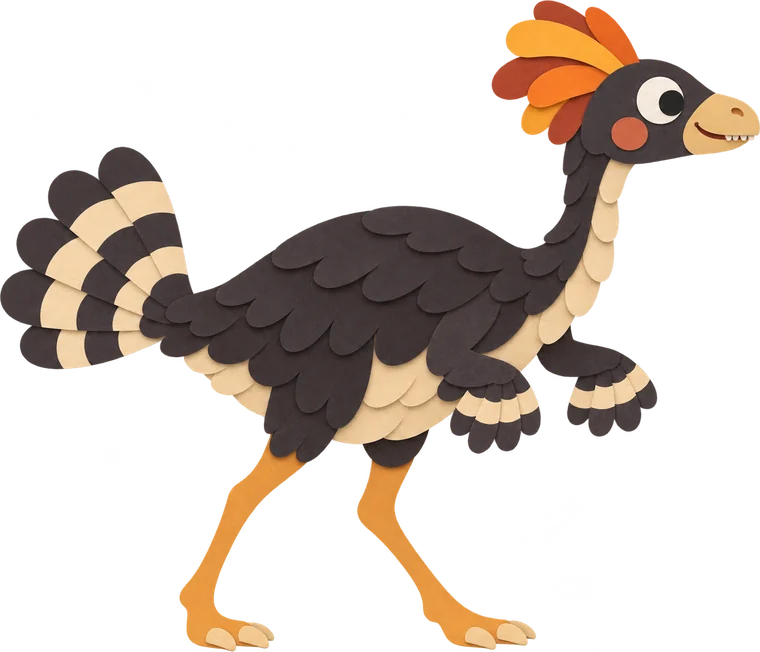 Caudipteryx Facts for Kids: It Had Feathers, So Why Couldn't It Fly? Answers to Your Child's Dinosaur QuestionsAbout 0.9 m long · Early Cretaceous. How big was Caudipteryx, what did it eat, when did it live, and what about the fan of feathers on its tail? Checked facts about a small dinosaur that had feathers but could not fly, in simple words.
-
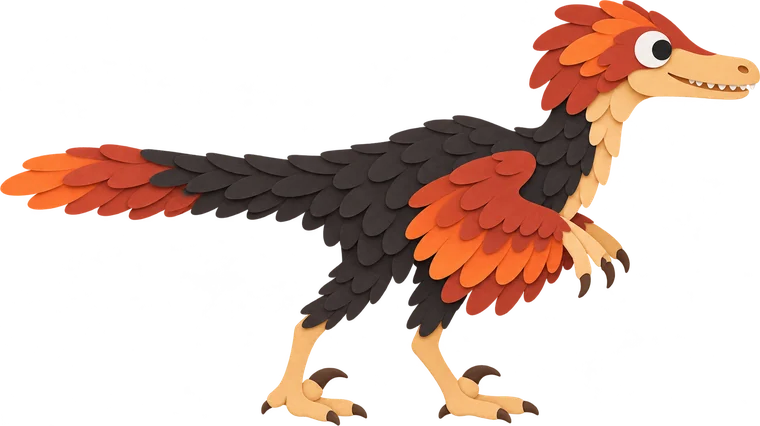 Sinornithosaurus Facts for Kids: Did a Relative of Velociraptor Have Feathers Too? Answers to Your Child's Dinosaur QuestionsAbout 1.2 m long · Early Cretaceous. How big was Sinornithosaurus, what did it eat, when did it live, and what about its feathers and hooked claws? Checked facts about a feathered relative of Velociraptor, in simple words you can read to your child.
-
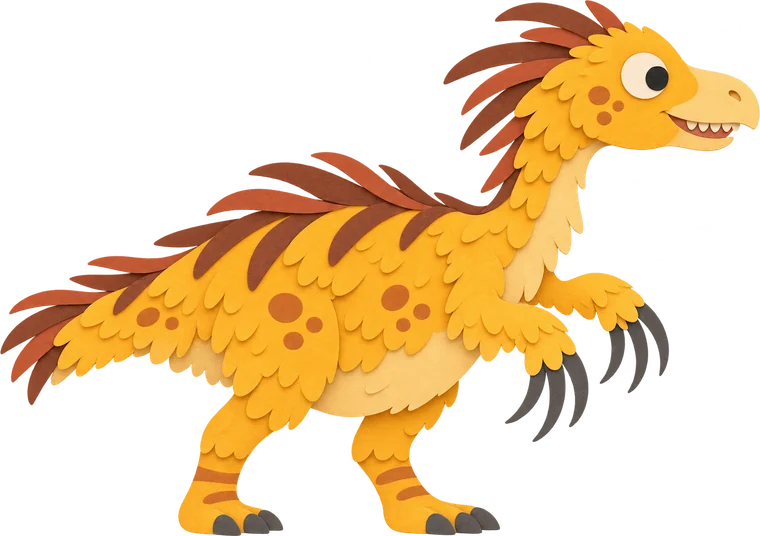 Beipiaosaurus Facts for Kids: What Did It Do With Its Long Claws? Answers to Your Child's Dinosaur QuestionsAbout 2.2 m long · Early Cretaceous. How big was Beipiaosaurus, what did it eat, when did it live, and what were its long, curved claws for? Checked facts about a feathered dinosaur with long claws that probably ate plants, in simple words.
-
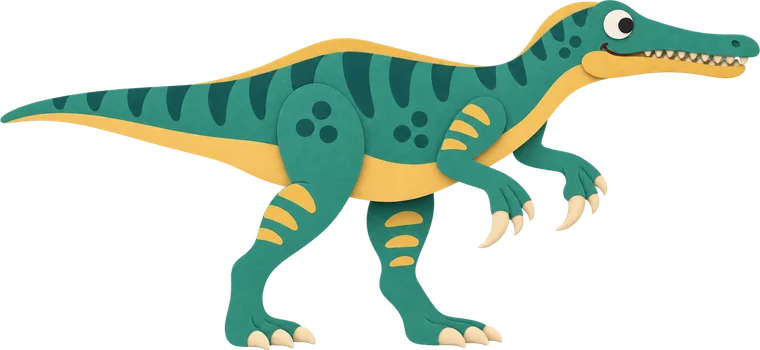 Suchomimus Facts for Kids: Why Is Its Snout Long Like a Crocodile's? Answers to Your Child's Dinosaur QuestionsAbout 11 m long · Early Cretaceous. How big was Suchomimus, what did it eat, when did it live, and what about its long, crocodile-like snout? Checked facts about a dinosaur that caught fish at the water's edge, in simple words you can read to your child.
-
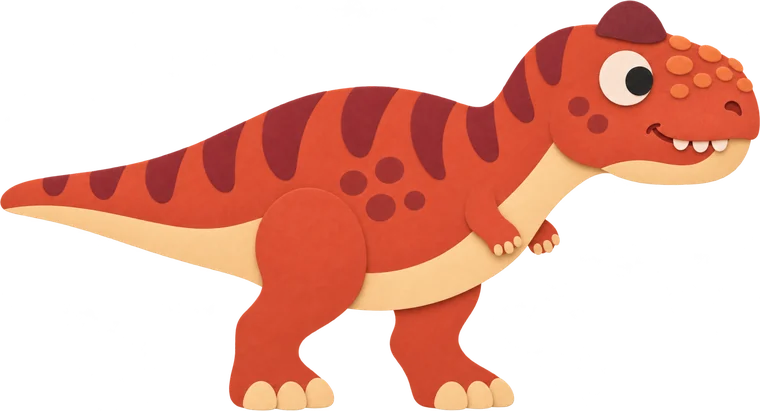 Majungasaurus Facts for Kids: What Was the Horn on Its Head For? Answers to Your Child's Dinosaur QuestionsAbout 6.5 m long · Late Cretaceous. How big was Majungasaurus, what did it eat, when did it live, and what about the round horn on top of its head? Checked facts about a meat-eating dinosaur from the island of Madagascar, in simple words.
-
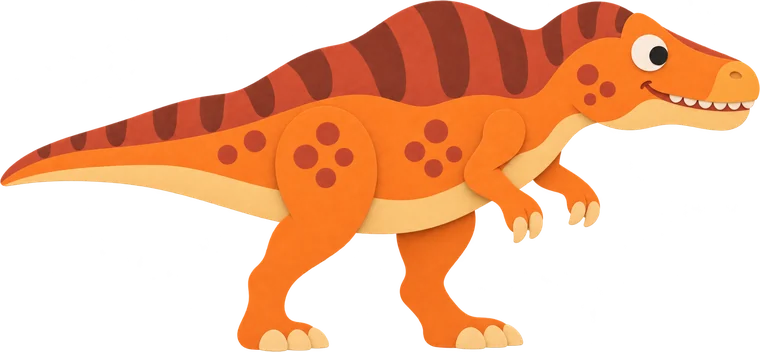 Acrocanthosaurus Facts for Kids: Why Does Its Back Rise Up Like a Hill? Answers to Your Child's Dinosaur QuestionsAbout 11.5 m long · Early Cretaceous. How big was Acrocanthosaurus, what did it eat, when did it live, and what is the tall ridge along its back? Simple words, ready for your child's questions.
-
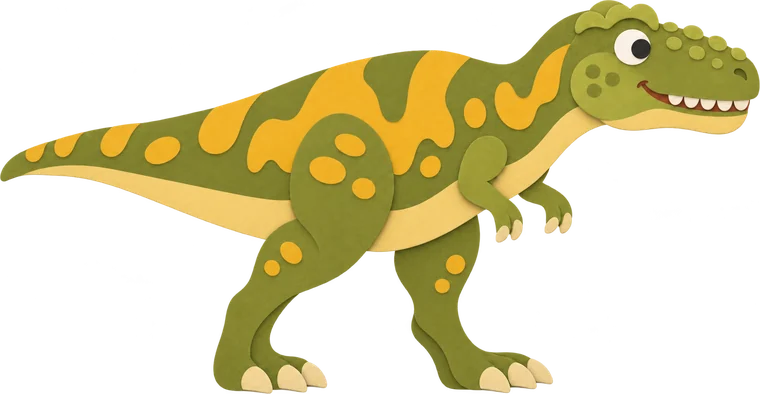 Mapusaurus Facts for Kids: Did It Really Live in a Group? Answers to Your Child's Dinosaur QuestionsAbout 11.5 m long · Middle Cretaceous. How big was Mapusaurus, what did it eat, when did it live, and why were adult and young fossils found together in one place? Simple words, ready for your child's questions.
-
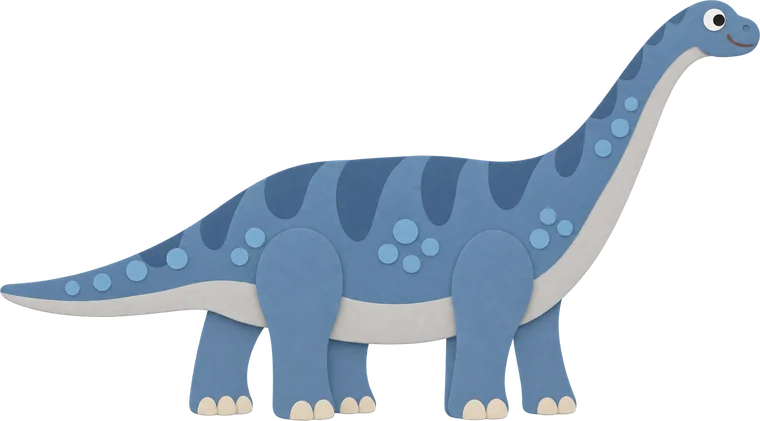 Dreadnoughtus Facts for Kids: How Big Was the Dinosaur That Feared Nothing? Answers to Your Child's Dinosaur QuestionsAbout 26 m long · Late Cretaceous. How big was Dreadnoughtus, what did it eat, when did it live, and why does its name mean "one that fears nothing"? Simple words, ready for your child's questions.
-
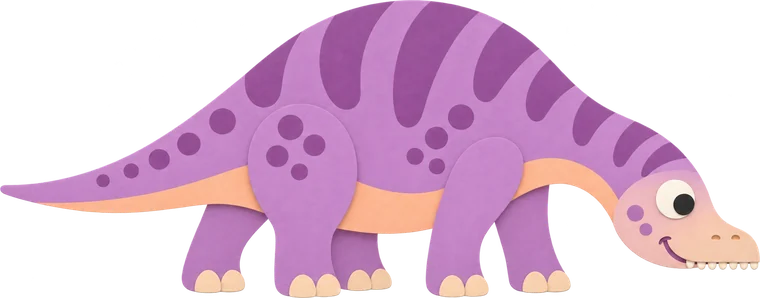 Nigersaurus Facts for Kids: Did It Really Have More Than 500 Teeth? Answers to Your Child's Dinosaur QuestionsHow big was Nigersaurus, what did it eat, when did it live, and what about its wide vacuum-cleaner mouth and more than 500 teeth? Simple words, ready for your child's questions.
-
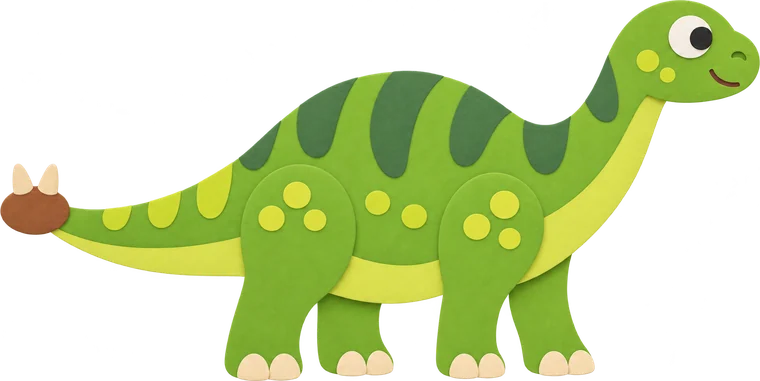 Shunosaurus Facts for Kids: Why Did a Long-Necked Dinosaur Have a Club on Its Tail? Answers to Your Child's Dinosaur QuestionsAbout 10 m long · Middle to Late Jurassic. How big was Shunosaurus, what did it eat, when did it live, and what was the spiked club at the end of its tail? Simple words, ready for your child's questions.
-
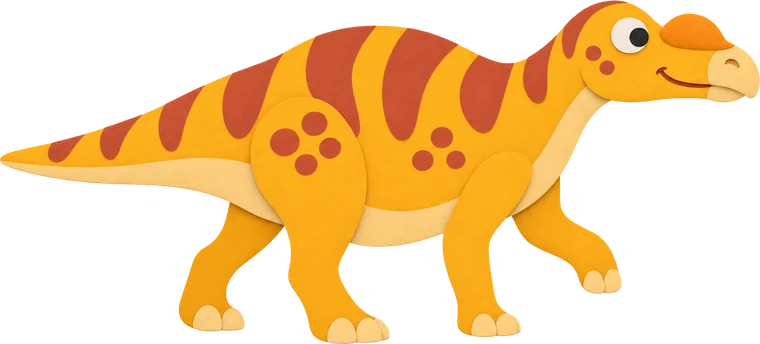 Muttaburrasaurus Facts for Kids: What Is the Bump on Its Nose? Answers to Your Child's Dinosaur QuestionsAbout 8 m long · Early Cretaceous. How big was Muttaburrasaurus, what did it eat, when did it live, and what was the hollow bump on its nose? A dinosaur from Australia, explained in simple words for your child.
-
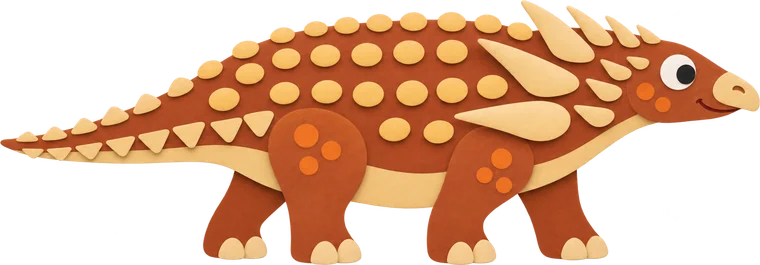 Sauropelta Facts for Kids: Why Did It Have Big Spikes on Its Shoulders? Answers to Your Child's Dinosaur QuestionsAbout 5.5 m long · Early Cretaceous. How big was Sauropelta, what did it eat, when did it live, and what were the big spikes on its neck and shoulders for? Simple words, ready for your child's questions.
-
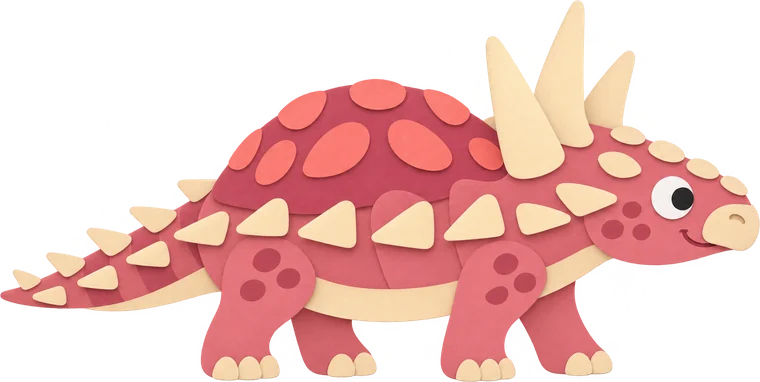 Gastonia Facts for Kids: Why Did It Have Spikes on Its Sides? Answers to Your Child's Dinosaur QuestionsAbout 5 m long · Early Cretaceous. How big was Gastonia, what did it eat, when did it live, and what were the rows of spikes on its sides and the shield on its hips for? Simple words, ready for your child's questions.
-
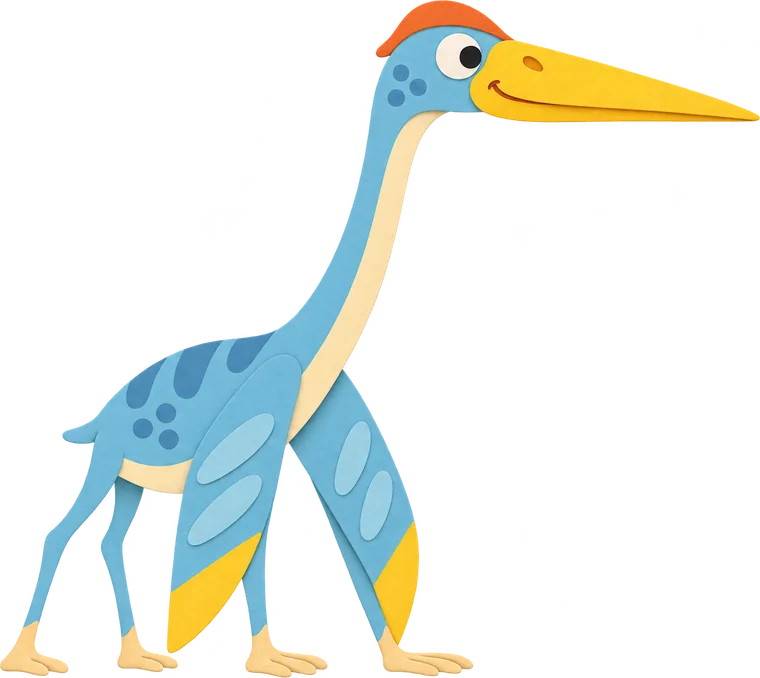 Quetzalcoatlus Facts for Kids: Was It Really as Tall as a Giraffe? Answers to Your Child's Dinosaur-Age QuestionsLate Cretaceous. How wide were the wings of Quetzalcoatlus, what did it eat, when did it live, and was it really as tall as a giraffe? It was a pterosaur and not a dinosaur. Checked facts in simple words you can read to your child.
-
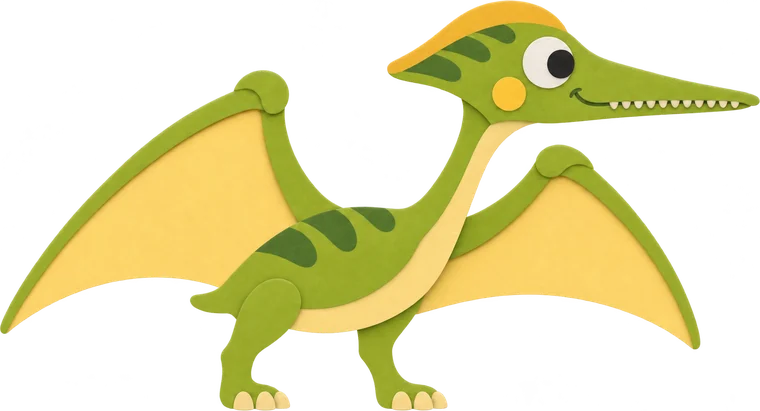 Pterodactylus Facts for Kids: How Small Was This Pterosaur? Answers to Your Child's Dinosaur-Age QuestionsLate Jurassic. How big was Pterodactylus, what did it eat, when did it live, and how is it different from Pteranodon? The story of the first pterosaur ever found, in simple words you can read to your child.
-
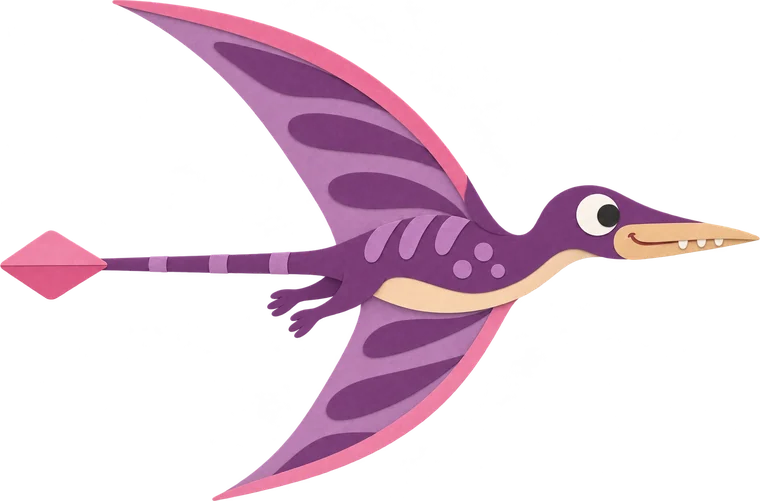 Rhamphorhynchus Facts for Kids: What Is on the Tip of Its Tail? Answers to Your Child's Dinosaur-Age QuestionsLate Jurassic. How big was Rhamphorhynchus, what did it eat, when did it live, and what was the little sail on the tip of its long tail? It was a pterosaur and not a dinosaur. Simple answers ready for when your child asks.
-
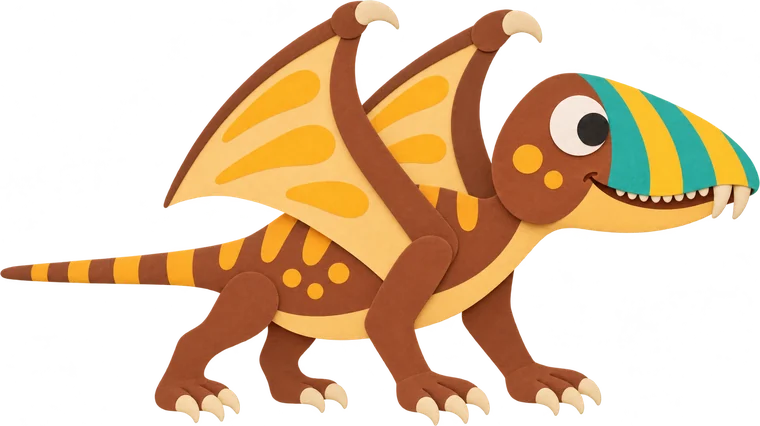 Dimorphodon Facts for Kids: Did It Really Have Two Kinds of Teeth? Answers to Your Child's Dinosaur-Age QuestionsEarly Jurassic. How big was Dimorphodon, what did it eat, when did it live, and what about its two kinds of teeth and its big head? It was a pterosaur and not a dinosaur. Checked facts in simple words you can read to your child.
-
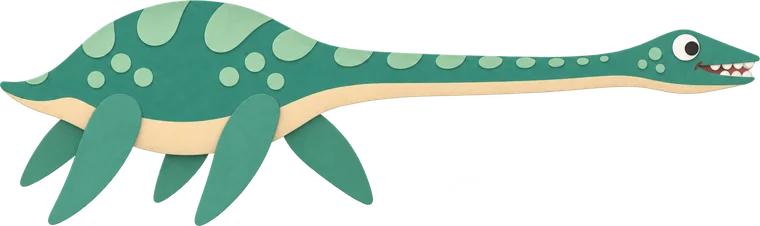 Elasmosaurus Facts for Kids: How Long Was Its Neck? Answers to Your Child's Dinosaur-Age QuestionsHow big was Elasmosaurus, what did it eat, when did it live, and how long was its neck, at about 7 metres (23 feet)? It was a sea reptile and not a dinosaur. Checked facts in simple words you can read to your child.
-
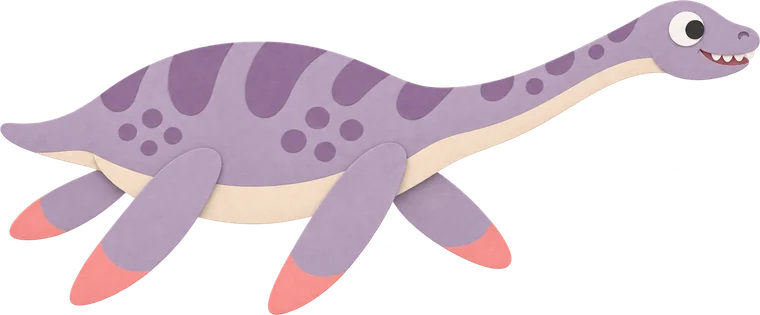 Plesiosaurus Facts for Kids: Who Found It First? Answers to Your Child's Dinosaur-Age QuestionsEarly Jurassic. How big was Plesiosaurus, what did it eat, when did it live, and how did Mary Anning find its fossil? It was a sea reptile and not a dinosaur. Simple words you can read to your child.
-
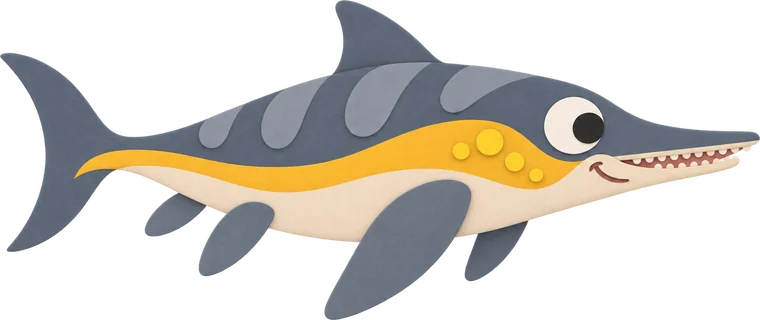 Ichthyosaurus Facts for Kids: How Is It Different From a Dolphin? Answers to Your Child's Dinosaur-Age QuestionsEarly Jurassic. How big was Ichthyosaurus, what did it eat, when did it live, how is it different from a dolphin, and did it really give birth to babies? It was a sea reptile and not a dinosaur. Simple words you can read to your child.
-
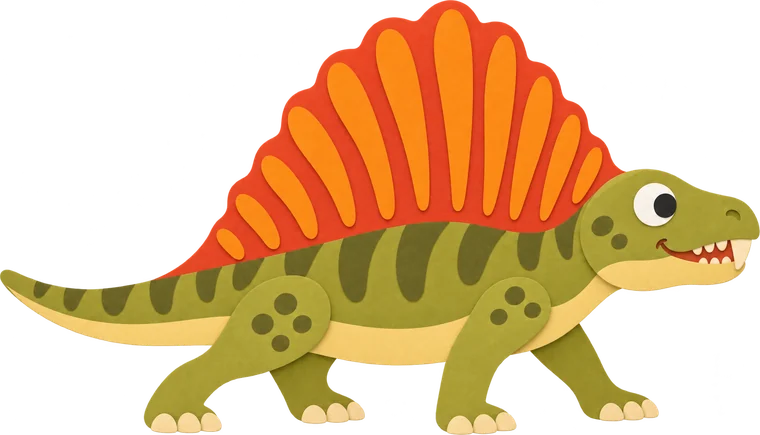 Dimetrodon Facts for Kids: It Has a Sail, So Why Is It Not a Dinosaur? Answers to Your Child's Dinosaur-Age QuestionsEarly Permian. How big was Dimetrodon, what did it eat, when did it live, and what was the big sail on its back? It was not a dinosaur, and it lived long before the dinosaurs. Simple words you can read to your child.
-
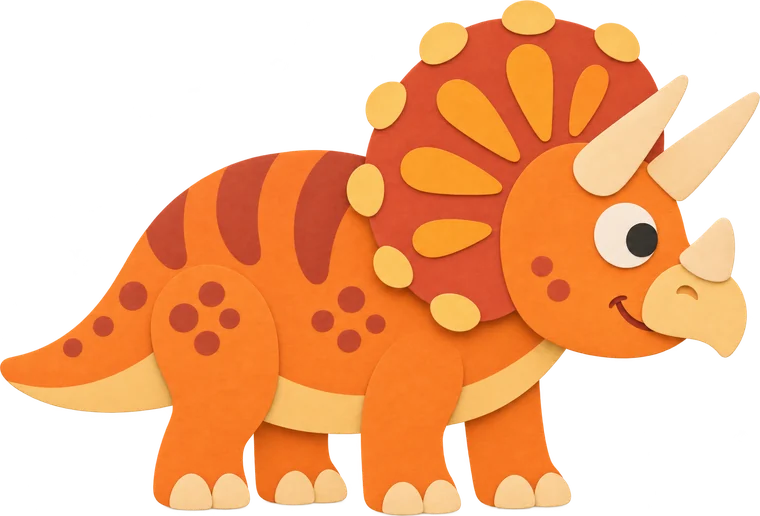 Triceratops Facts for Kids: Why Three Horns? Answers to Your Child's Dinosaur QuestionsAbout 9 m long · Late Cretaceous. How big was Triceratops, what did it eat, when did it live, and did it really meet Tyrannosaurus? Checked facts in simple words you can read to your child.
-
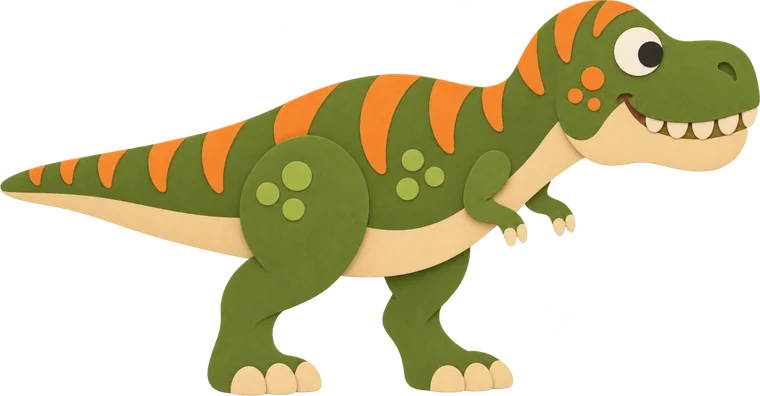 Tyrannosaurus Facts for Kids: How Strong Was Its Bite? Answers to Your Child's Dinosaur QuestionsAbout 12 m long · Late Cretaceous. How big was Tyrannosaurus, what did it eat, when did it live, and could it really bite through bone? Checked facts in simple words you can read to your child.
-
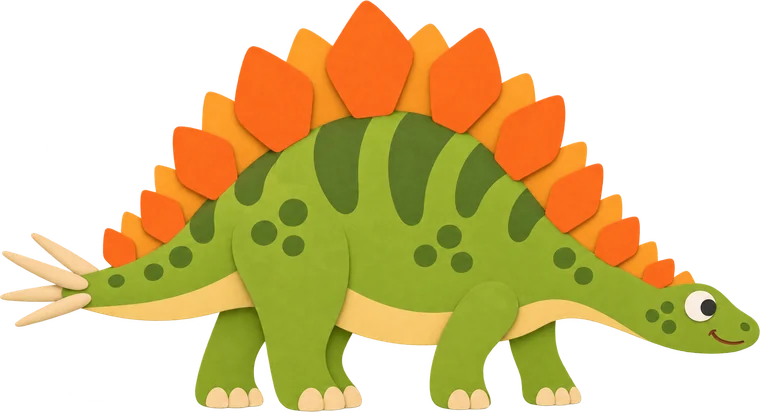 Stegosaurus Facts for Kids: What Were the Plates on Its Back For? Answers to Your Child's Dinosaur QuestionsAbout 7 m long · Late Jurassic. How big was Stegosaurus, what did it eat, when did it live, and what were its back plates and tail spikes for? Checked facts in simple words you can read to your child.
-
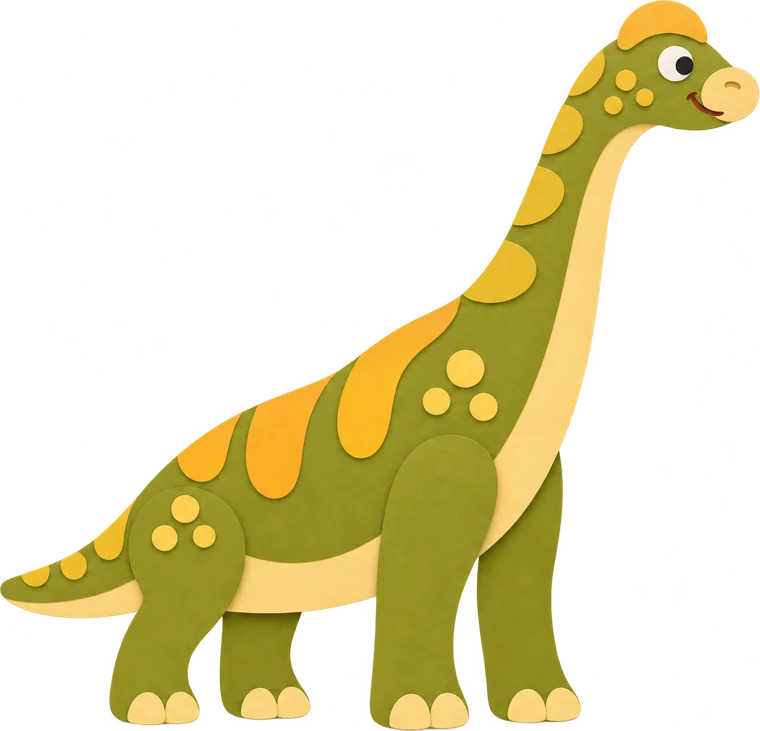 Brachiosaurus Facts for Kids: How High Could It Reach? Answers to Your Child's Dinosaur QuestionsAbout 22 m long · Late Jurassic. How big was Brachiosaurus, what did it eat, when did it live, and how high could its head reach? Checked facts in simple words you can read to your child.
-
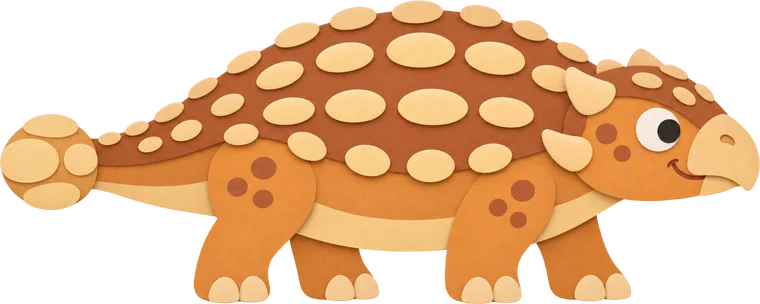 Ankylosaurus Facts for Kids: How Strong Was Its Tail Club? Answers to Your Child's Dinosaur QuestionsAbout 7 m long · Late Cretaceous. How big was Ankylosaurus, what did it eat, when did it live, and how strong were its bony armour and tail club? Checked facts in simple words you can read to your child.
-
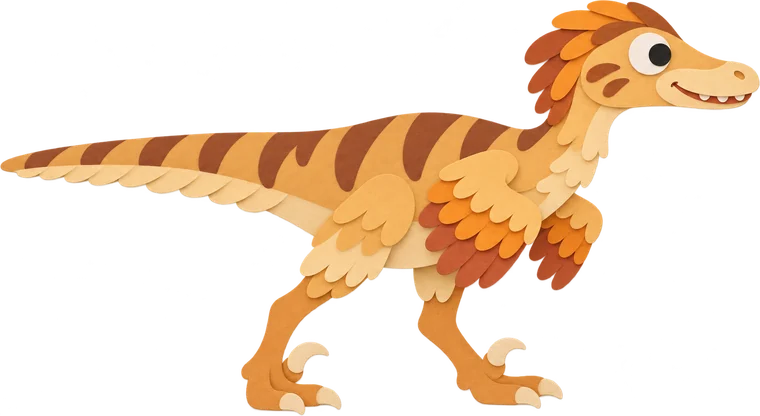 Velociraptor Facts for Kids: Was It Really as Big as in the Films? Answers to Your Child's Dinosaur QuestionsAbout 1.8 m long · Late Cretaceous. How big was the real Velociraptor, what did it eat, when did it live, and what about its feathers and hooked claw? Checked facts in simple words you can read to your child.
-
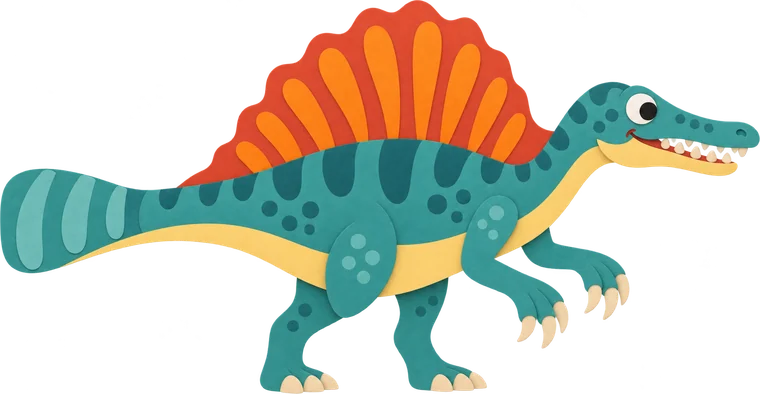 Spinosaurus Facts for Kids: How Big Was the Sail on Its Back? Answers to Your Child's Dinosaur QuestionsAbout 14 m long · Late Cretaceous. How big was Spinosaurus, what did it eat, when did it live, and what do we know about its sail and its fishing? Checked facts in simple words you can read to your child.
-
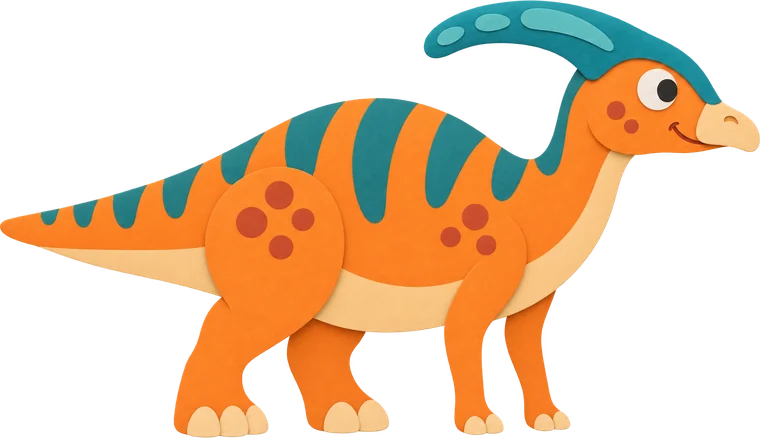 Parasaurolophus Facts for Kids: What Was the Long Crest For? Answers to Your Child's Dinosaur QuestionsAbout 9 m long · Late Cretaceous. How big was Parasaurolophus, what did it eat, when did it live, and did its long crest really sound like a horn? Simple words, ready for your child's questions.
-
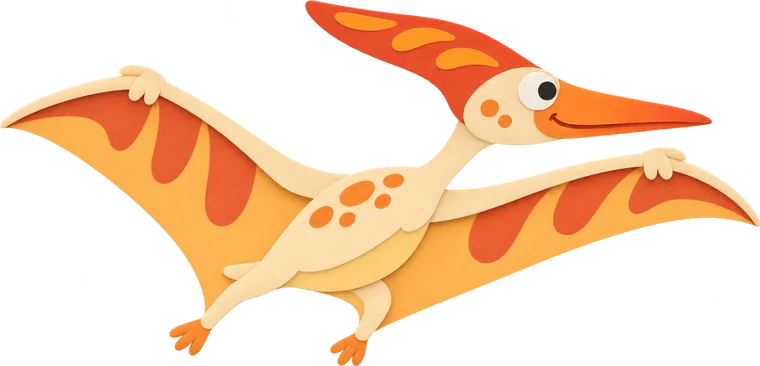 Pteranodon Facts for Kids: How Did It Eat With No Teeth? Answers to Your Child's Dinosaur-Age QuestionsLate Cretaceous. How wide were Pteranodon's wings, what did it eat, when did it live, and how did it manage with a beak that had no teeth? It was a pterosaur and not a dinosaur, and this page explains that in simple words too.
-
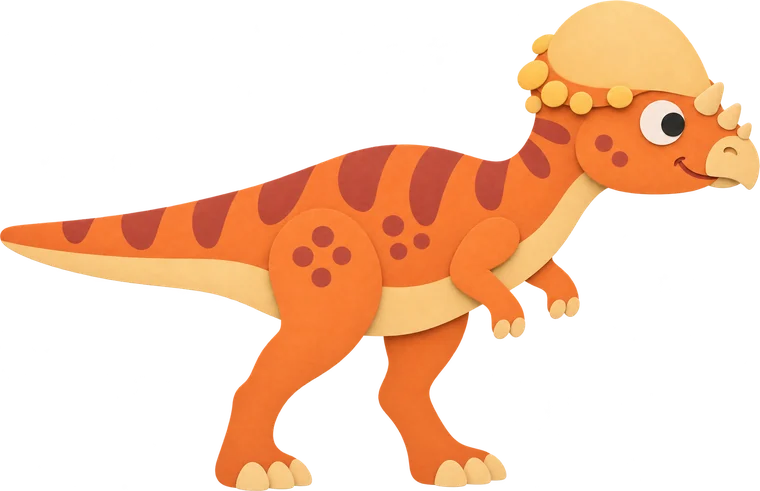 Pachycephalosaurus Facts for Kids: Did It Really Butt Heads? Answers to Your Child's Dinosaur QuestionsAbout 4.5 m long · Late Cretaceous. How big was Pachycephalosaurus, what did it eat, when did it live, and what was its helmet-like head for? Checked facts in simple words you can read to your child.
-
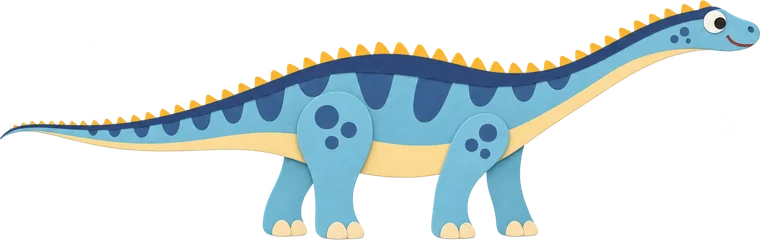 Diplodocus Facts for Kids: How Long Was Its Tail? Answers to Your Child's Dinosaur QuestionsAbout 26 m long · Late Jurassic. How big was Diplodocus, what did it eat, when did it live, and how long was that tail? Checked facts in simple words, ready for your child's questions.
-
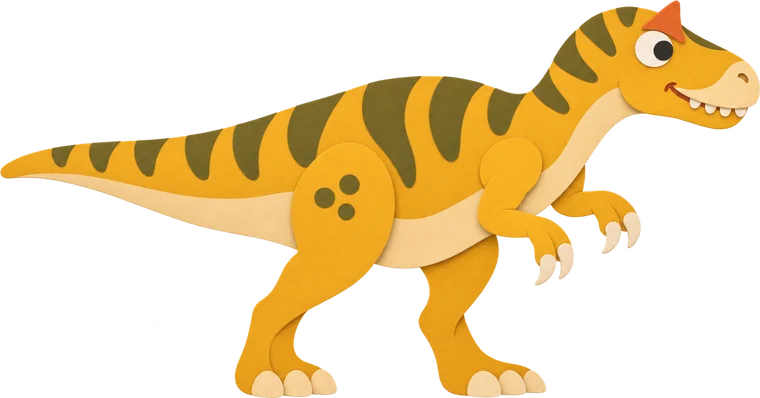 Allosaurus Facts for Kids: Did It Really Fight Stegosaurus? Answers to Your Child's Dinosaur QuestionsAbout 8.5 m long · Late Jurassic. How big was Allosaurus, what did it eat, when did it live, and what signs show that it met Stegosaurus? Checked facts in simple words you can read to your child.
-
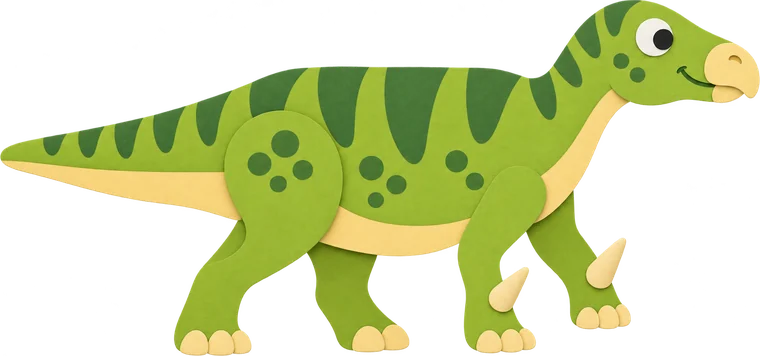 Iguanodon Facts for Kids: What Is the Spike on Its Thumb? Answers to Your Child's Dinosaur QuestionsAbout 10 m long · Early Cretaceous. How big was Iguanodon, what did it eat, when did it live, and what is the thumb spike that people once took for a nose horn? Simple words, ready for your child's questions.
-
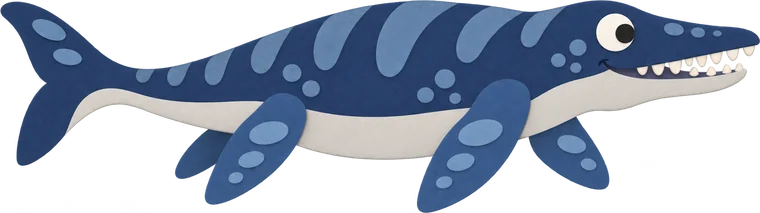 Mosasaurus Facts for Kids: Is It a Dinosaur That Lived in the Sea? Answers to Your Child's Dinosaur-Age QuestionsLate Cretaceous. How big was Mosasaurus, what did it eat, when did it live, and why is it a sea-living relative of lizards and not a dinosaur? Simple answers ready for when your child asks.
-
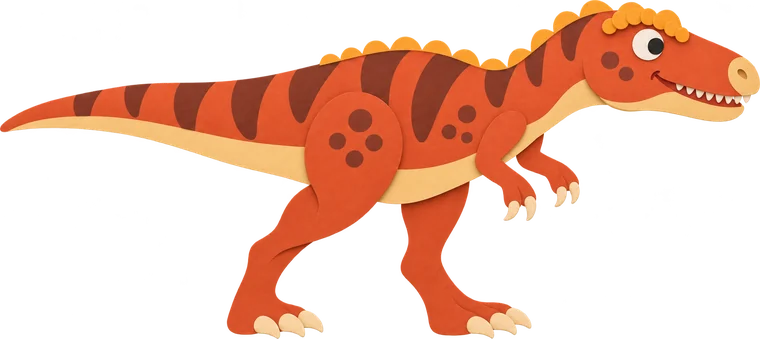 Giganotosaurus Facts for Kids: How Is It Different from Tyrannosaurus? Answers to Your Child's Dinosaur QuestionsAbout 12.5 m long · Middle Cretaceous. How big was Giganotosaurus, what did it eat, when did it live, and how is it different from Tyrannosaurus? Checked facts in simple words you can read to your child.
-
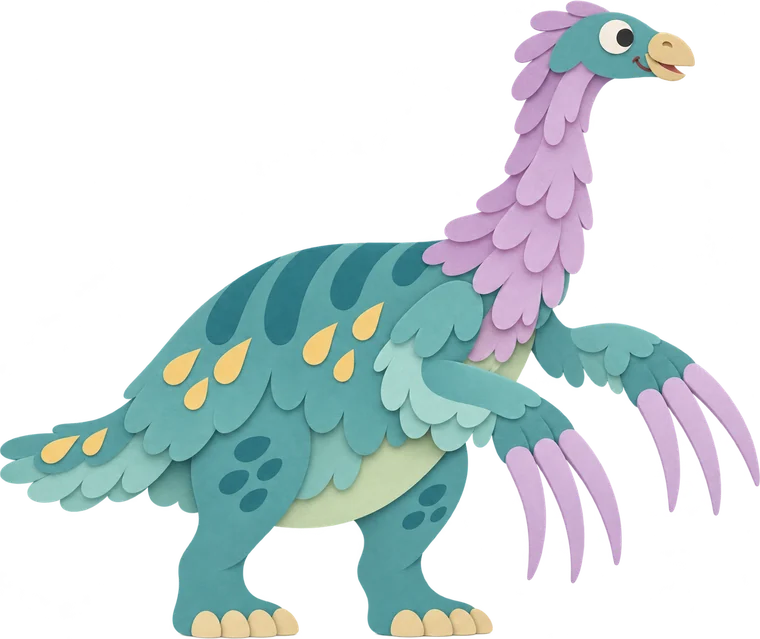 Therizinosaurus Facts for Kids: What Were the Long Claws For? Answers to Your Child's Dinosaur QuestionsHow big was Therizinosaurus, what did it eat, when did it live, and what did it do with claws 50 cm (20 inches) long? Simple words for answering your child's questions.
-
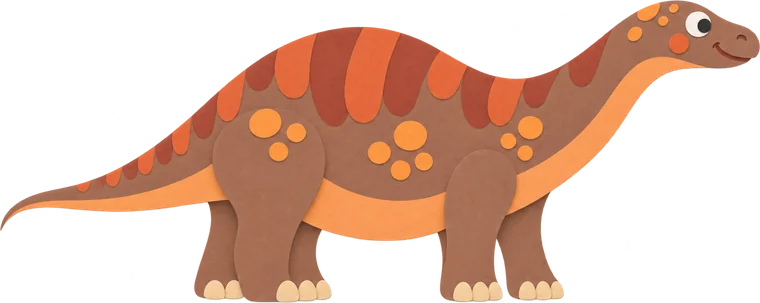 Apatosaurus Facts for Kids: Why Is It Called the Deceptive Lizard? Answers to Your Child's Dinosaur QuestionsAbout 22 m long · Late Jurassic. How big was Apatosaurus, what did it eat, when did it live, and how did it get the name "deceptive lizard"? Plus how to tell it from Brontosaurus, in simple words.
-
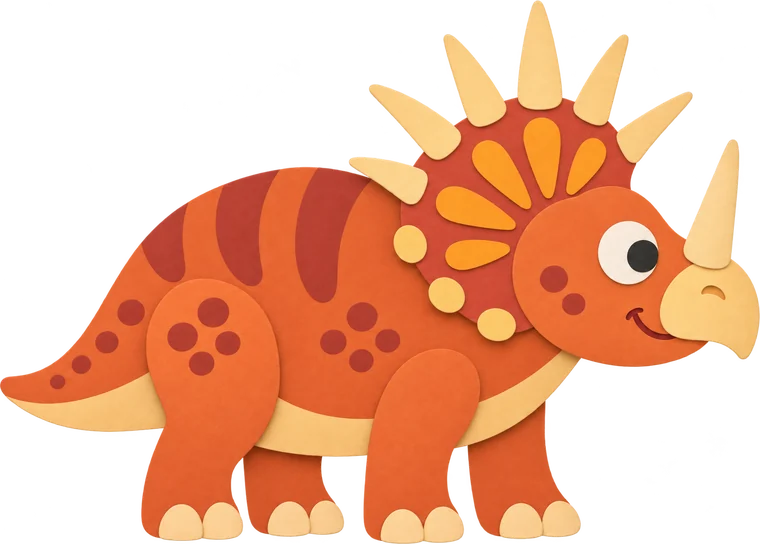 Styracosaurus Facts for Kids: Why Did Its Frill Have So Many Spikes? Answers to Your Child's Dinosaur QuestionsAbout 5.5 m long · Late Cretaceous. How big was Styracosaurus, what did it eat, when did it live, and what were the frill spikes for? Checked facts in simple words you can read to your child.
-
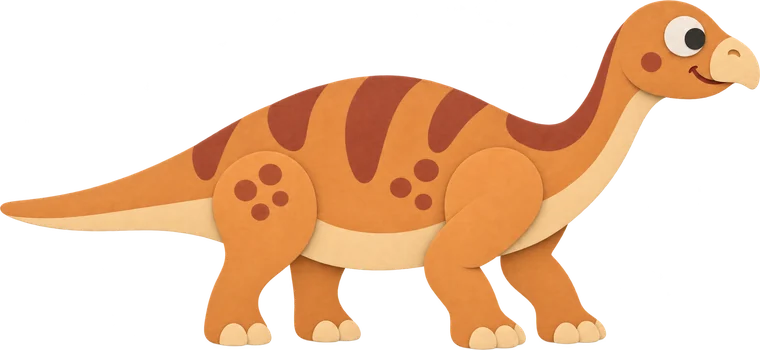 Koreanosaurus Facts for Kids: Did a Dinosaur Really Dig Burrows? Answers to Your Child's Dinosaur QuestionsAbout 2.2 m long · Late Cretaceous. How big was Koreanosaurus, what did it eat, when did it live, and why do scientists think it dug burrows? Checked facts about a dinosaur from Boseong in South Korea, in simple words you can read to your child.
-
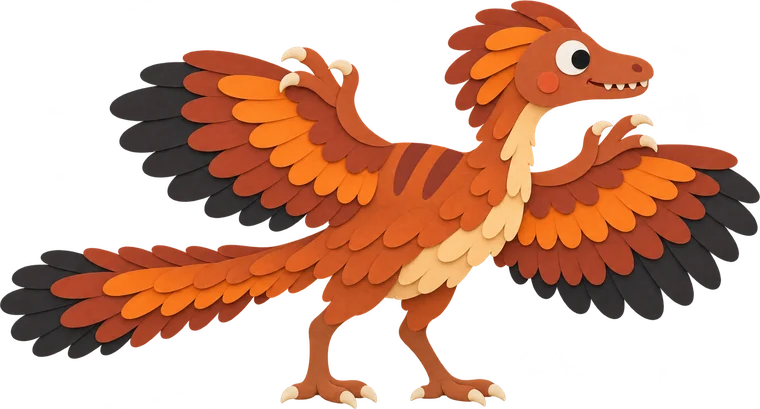 Archaeopteryx Facts for Kids: Is It a Bird or a Dinosaur? Answers to Your Child's Dinosaur QuestionsAbout 0.5 m long · Late Jurassic. How big was Archaeopteryx, what did it eat, when did it live, and how could one animal have both feathered wings and teeth? Simple words, ready for your child's questions.
Sea stories 26 stories
-
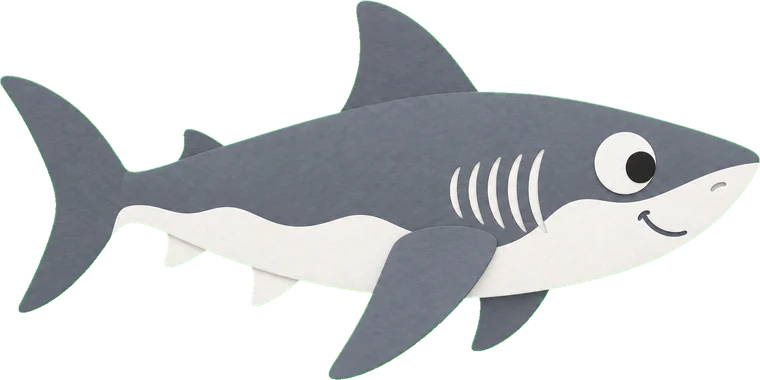 Great White Shark Facts for Kids: Why Do Shark Teeth Keep Growing Back?Length about 4-5 m (13-16 ft); the largest about 6 m (20 ft) · Weight around 1 tonne; large ones about 2 tonnes. How big a great white gets, what it eats, and why its teeth are replaced for life, with calm, accurate answers to the questions children really ask, including whether sharks eat people.
-
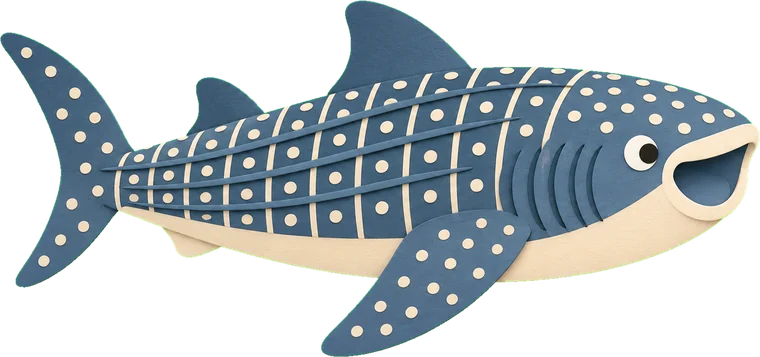 Whale Shark Facts for Kids: Is It a Whale or a Shark?Length usually 5-10 m (16-33 ft); record about 18.8 m (62 ft) · Weight about 15-20 tonnes. The biggest fish alive: how long a whale shark really gets, how it filters tiny plankton, and why no two have the same spots, with simple answers to children's questions.
-
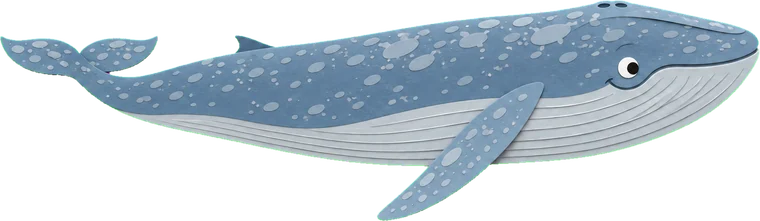 Blue Whale Facts for Kids: Is It Really Bigger Than a Dinosaur?Length about 25-30 m (82-98 ft) · Weight about 100-150 tonnes. The largest animal known: how long and heavy a blue whale is, how it feeds on tiny krill, how it breathes, and how fast a calf grows, in answers a young child can follow.
-
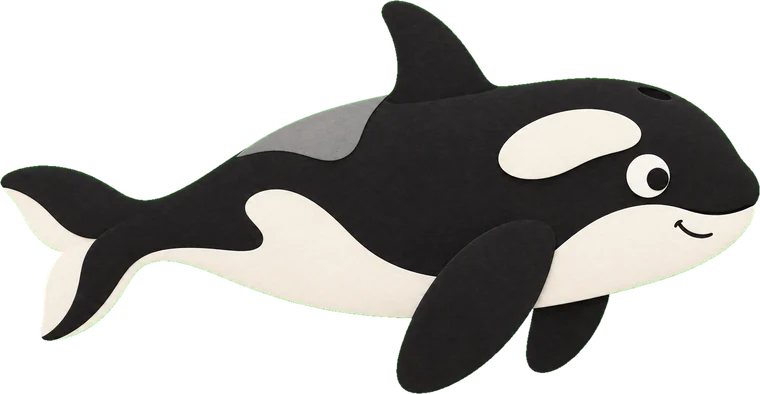 Orca Facts for Kids: Whale or Dolphin?Length males about 6-8 m (20-26 ft), females about 5-7 m (16-23 ft) · Weight males over 6 tonnes, females about 3-4 tonnes. How big orcas are, why they are black and white, what different orca families eat, and how grandmothers lead the pod, with calm answers to whether they are dangerous to people.
-
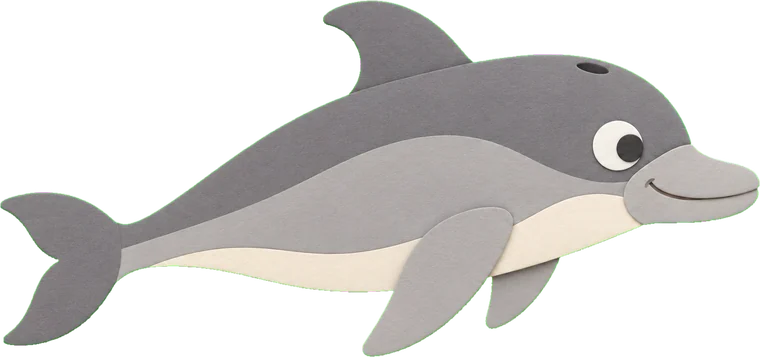 Bottlenose Dolphin Facts for Kids: How Do Dolphins Breathe While They Sleep?Length about 2-4 m (6.5-13 ft) · Weight about 150-650 kg (330-1,430 lb). Size, food, the blowhole, half-brain sleep and signature whistles: clear answers to the questions children ask about dolphins, starting with why a dolphin is not a fish.
-
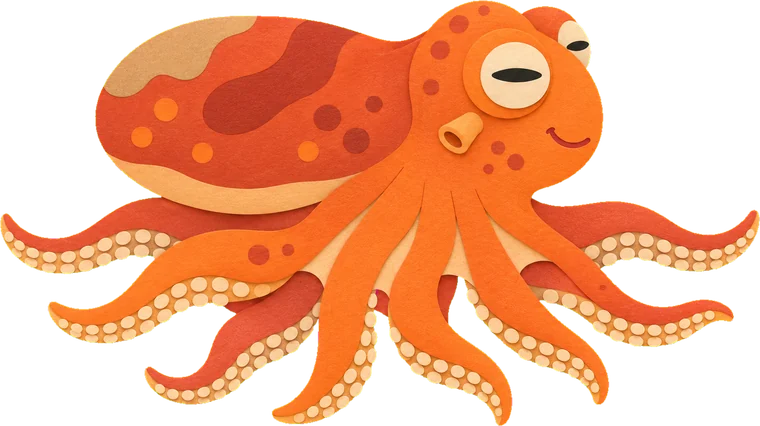 Octopus Facts for Kids: Why Does an Octopus Have Three Hearts?Size the largest kind spans about 3-5 m (10-16 ft) across its arms. Eight arms, three hearts and blue blood: how an octopus moves without bones, changes colour, squirts ink and solves puzzles, in answers a young child can follow.
-
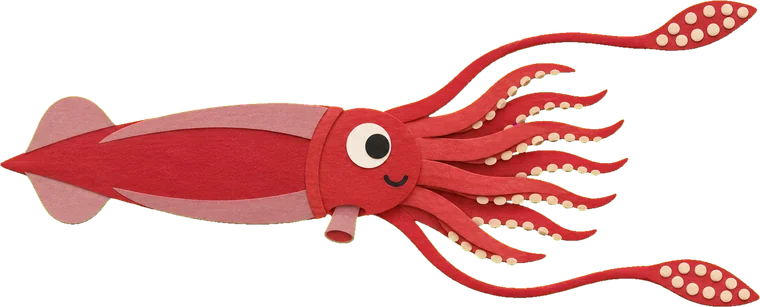 Giant Squid Facts for Kids: Is It Really a Sea Monster?Total length large ones an estimated 10-13 m (33-43 ft) including the long tentacles · Weight an estimated 150-275 kg (330-600 lb). A real deep-sea animal with football-sized eyes and ten limbs: how big the giant squid is thought to be, where it lives, and why we so rarely see one.
-
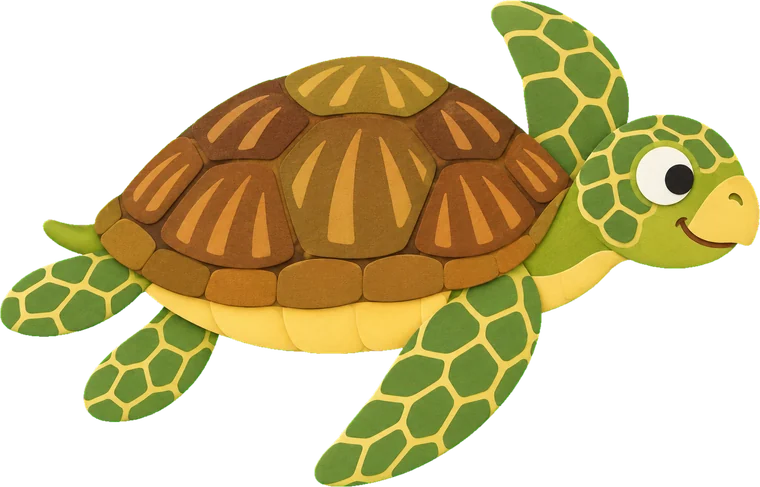 Sea Turtle Facts for Kids: Can a Sea Turtle Hide in Its Shell?Size green turtle about 1 m (3-4 ft); leatherback about 1.5-1.8 m (5-6 ft) · Weight green turtle about 110-180 kg (250-400 lb). Seven kinds of sea turtle, what they eat, how they breathe, why they nest on beaches and how sand temperature decides boy or girl, in answers a young child can follow.
-
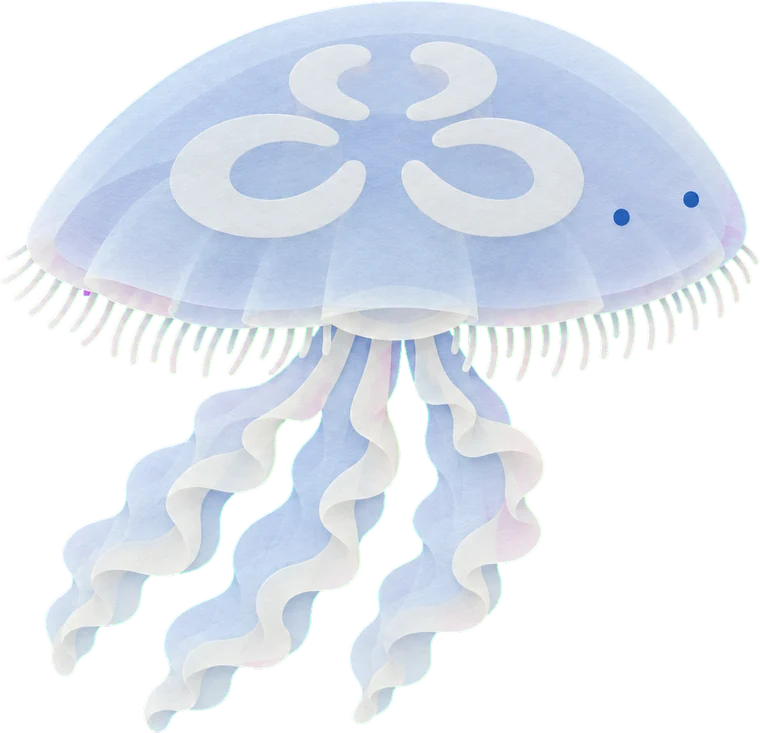 Jellyfish Facts for Kids: How Does It Live Without a Brain?No brain, no heart, no bones and about 95% water: how jellyfish sense, eat, sting and grow up, with a calm safety line for the beach and first-aid notes for parents.
-
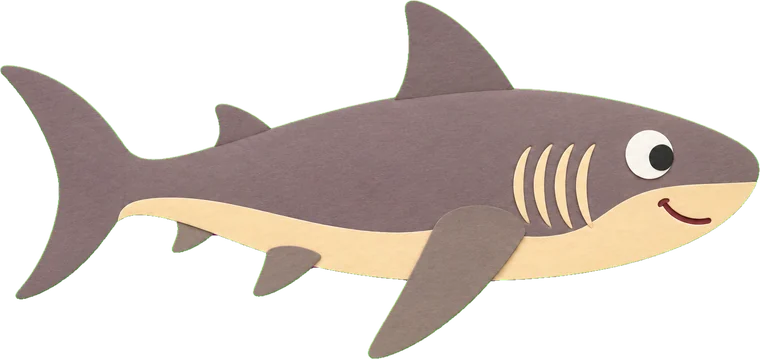 Megalodon Facts for Kids: Is It Still Alive?Length estimated at about 15-20 m (50-65 ft); some studies suggest more. The giant extinct shark known mainly from its teeth: when megalodon lived, how scientists estimate its size, why it died out, and a reassuring answer to whether it is still out there.
-
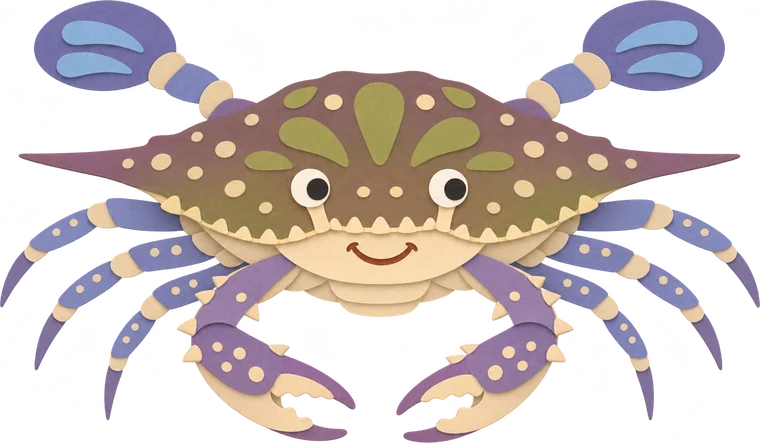 Crab Facts for Kids: Why Do Crabs Walk Sideways?Ten legs, paddle-shaped back legs and a shell it has to climb out of to grow: the swimming crab of Korean seas, explained in answers a young child can follow.
-
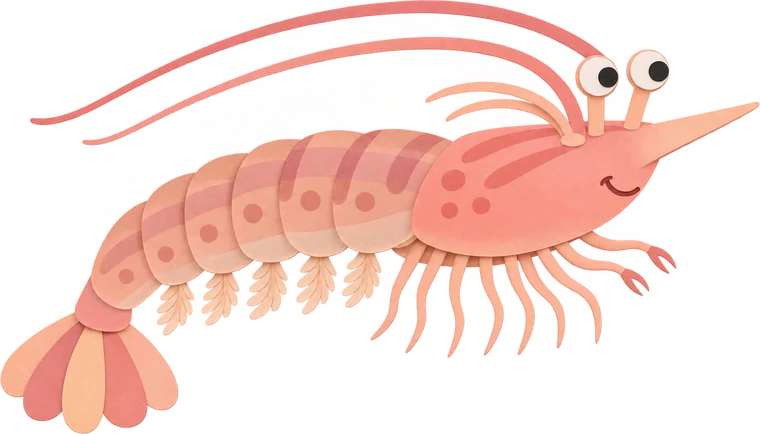 Shrimp Facts for Kids: Why Do Shrimp Turn Red When Cooked?Size from about 1 cm to around 30 cm (12 in), depending on the kind. Ten walking legs, paddling swimmerets, a tail that flips it backwards and feelers longer than its body: how shrimp live, and why they change colour in the pan.
-
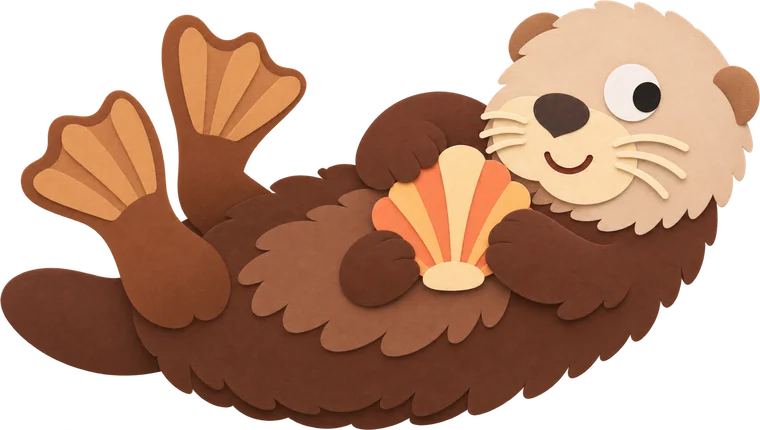 Sea Otter Facts for Kids: Why Does a Sea Otter Carry a Rock?Length about 1.2-1.5 m (4-5 ft) including the tail · Weight about 14-45 kg (30-100 lb). The densest fur of any animal, a pocket for snacks and a rock for cracking clams: how sea otters float, eat, keep warm and sleep, in answers a young child can follow.
-
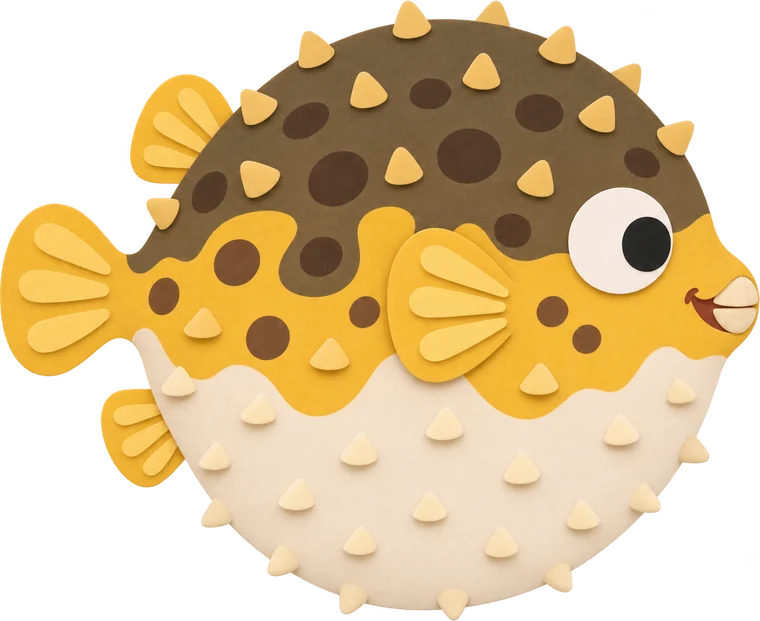 Pufferfish Facts for Kids: Why Does a Pufferfish Blow Up Like a Ball?Size from about 2.5 cm (1 in) to over 50 cm (20 in). How pufferfish puff up with water, crack shells with a four-toothed beak and carry a strong poison, with a clear safety message for families who fish.
-
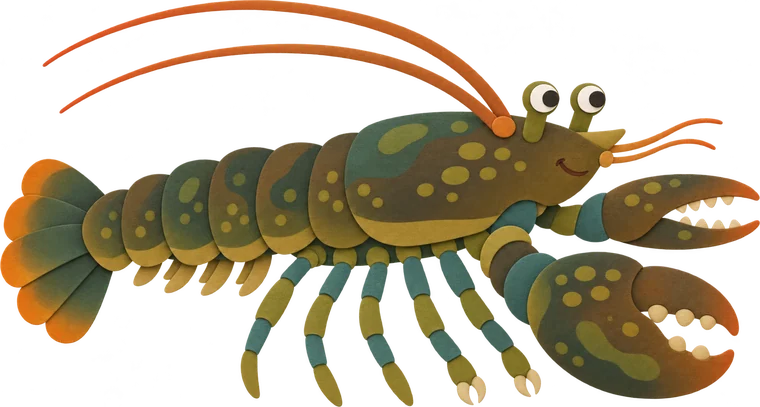 Lobster Facts for Kids: Why Are a Lobster's Teeth in Its Stomach?Length usually about 20-60 cm (8-24 in). Two different claws, teeth in the stomach, a shell that turns red only when cooked and the one-in-two-million blue lobster, in answers a young child can follow.
-
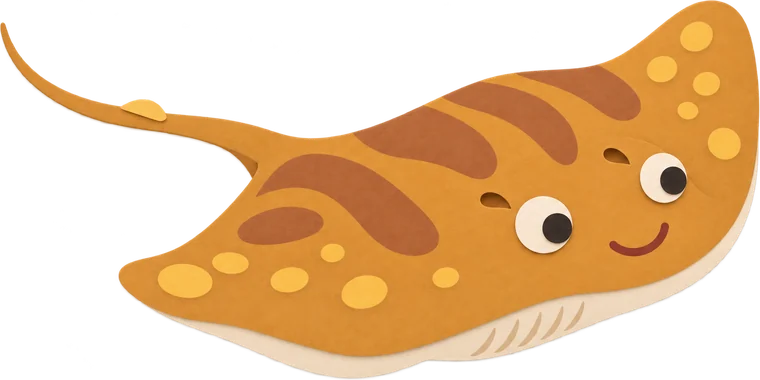 Stingray Facts for Kids: Why Does a Stingray Look Like It's Smiling?Size large ones about 2 m (6.5 ft) across. A flat relative of sharks that flies through the water: where a stingray's eyes and mouth really are, why it hides in sand, and the beach shuffle that keeps everyone safe.
-
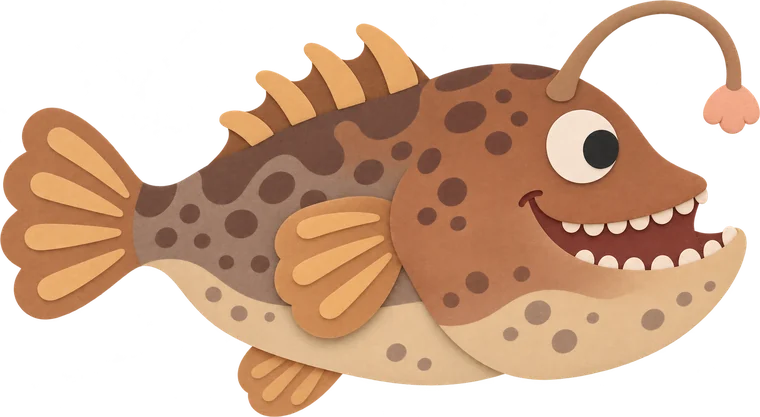 Anglerfish Facts for Kids: Why Does It Have a Fishing Rod on Its Head?Length the Korean blackmouth angler is usually about 30 cm (1 ft). A fishing rod made from a fin spine, a huge mouth and relatives whose bait glows in the deep sea: how the anglerfish catches its dinner, in answers a young child can follow.
-
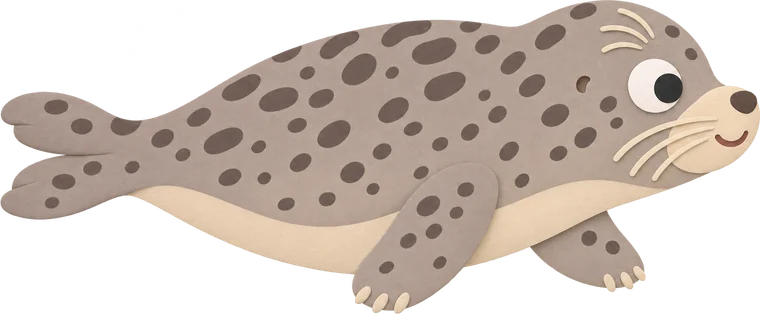 Seal Facts for Kids: What's the Difference Between a Seal and a Sea Lion?Length about 1.5-1.7 m (5-5.5 ft) · Weight about 70-130 kg (150-290 lb). No ear flaps, a wriggle on land, whiskers that track fish and white fluffy pups born on ice: the spotted seal of Korea's Yellow Sea, in answers a young child can follow.
-
 Seahorse Facts for Kids: Why Does the Father Seahorse Give Birth?Length about 2-35 cm (1-14 in), depending on the kind. A fish shaped like a little horse, where the father carries the babies: how seahorses swim upright, hold on with their tails and look two ways at once, in answers a young child can follow.
-
 Starfish Facts for Kids: Is a Starfish Really a Fish?Starfish are not fish at all but relatives of sea urchins: eyes at the tips of their arms, hundreds of tiny tube feet and arms that grow back, explained for young children.
-
 Manatee Facts for Kids: Why Is the Sea Cow Related to the Elephant?Length usually about 3 m (10 ft), big ones 4 m (13 ft) · Weight usually about 360-550 kg (800-1,200 lb); very big ones over 1 tonne. The gentle, plant-eating sea cow is a mammal, not a fish: how big manatees grow, what they eat, how they breathe and why their closest land relative is the elephant, for young children.
-
 Clownfish Facts for Kids: Why Doesn't the Anemone Sting the Clownfish?Length about 8-11 cm (3-4 in). The little orange-and-white fish that lives safely among stinging anemone tentacles: its protective mucus, a father who guards the eggs and a fish that can change from male to female.
-
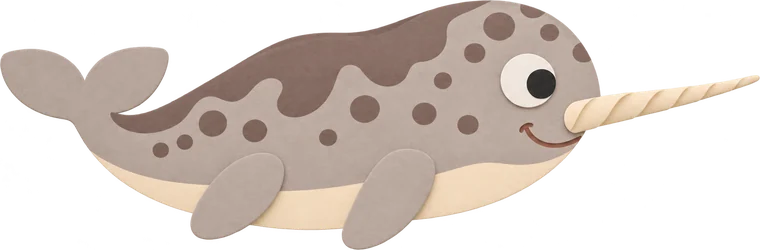 Narwhal Facts for Kids: Why Is the Narwhal's Horn Really a Tooth?Length about 4-5.5 m (13-18 ft), not counting the tusk · Weight about 800-1,600 kg (1,800-3,500 lb). The Arctic whale whose long horn is really a tooth: how long the tusk grows, what it might be for, how deep narwhals dive and why they are called the unicorns of the sea.
-
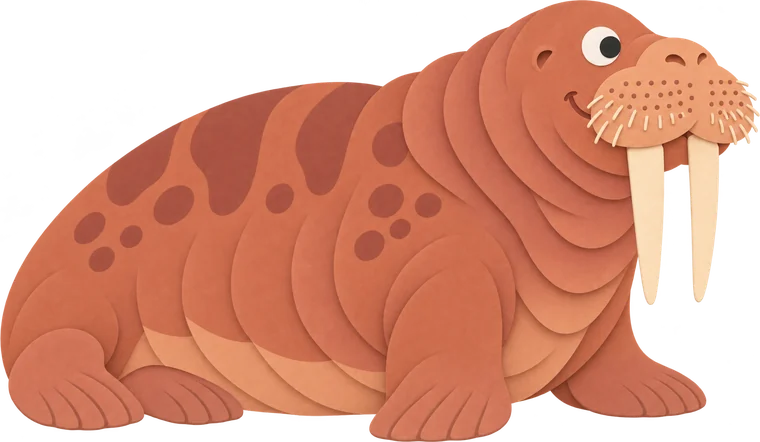 Walrus Facts for Kids: What Does a Walrus Use Its Tusks For?Length about 2.3-3.6 m (7.5-12 ft) · Weight females about 400-1,250 kg, males about 800-1,700 kg. Long tusks, hundreds of whiskers and skin that turns pink: how walruses haul out on the ice, find clams in the dark and why they are seals' cousins, not elephants'.
-
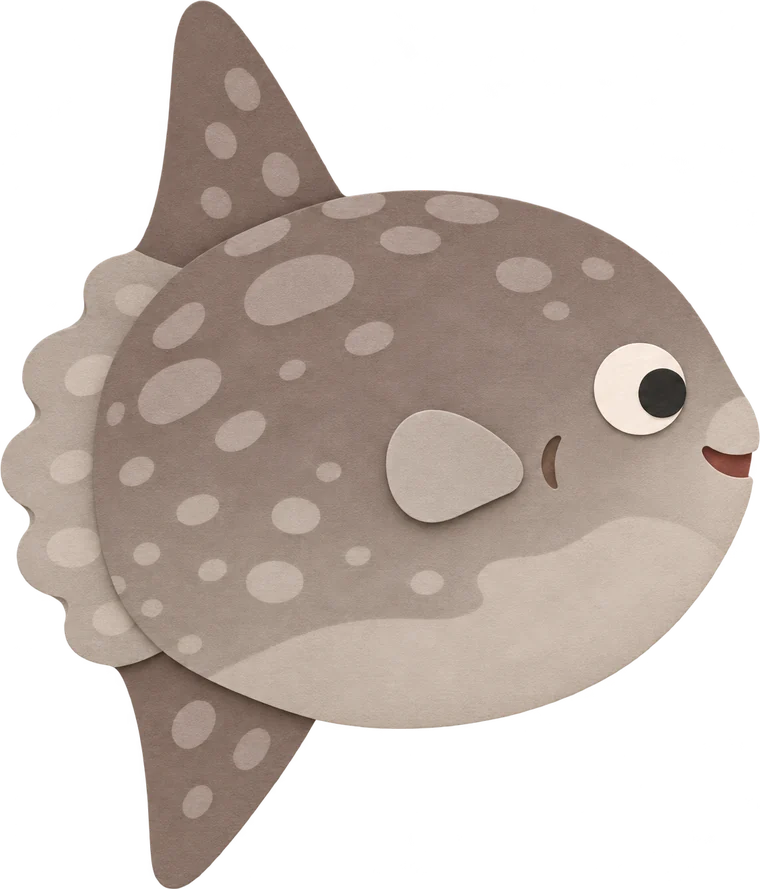 Ocean Sunfish Facts for Kids: Where Is the Sunfish's Tail?The huge round fish that seems to be all head: how the ocean sunfish swims without a tail fin, eats jellyfish, carries 300 million eggs and sunbathes at the surface.
-
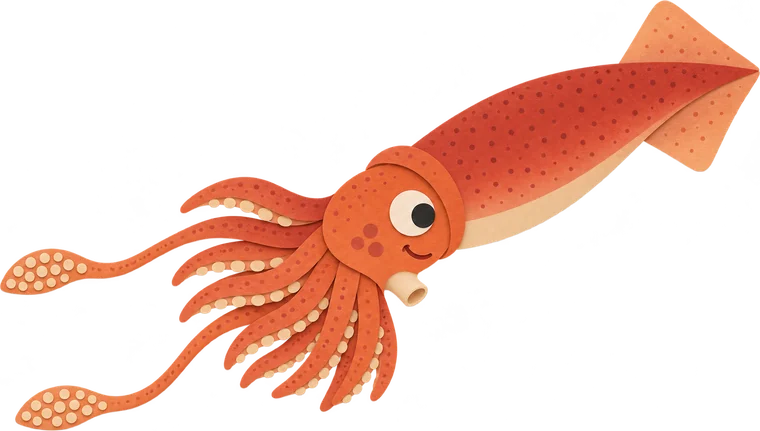 Squid Facts for Kids: Why Does a Squid Have Ten Arms?Body length the common Korean squid usually about 20-30 cm (8-12 in). Eight arms, two long tentacles, three hearts and blue blood: how a squid jets through the water, squirts ink and differs from an octopus, in answers a young child can follow.
Animal stories 32 stories
-
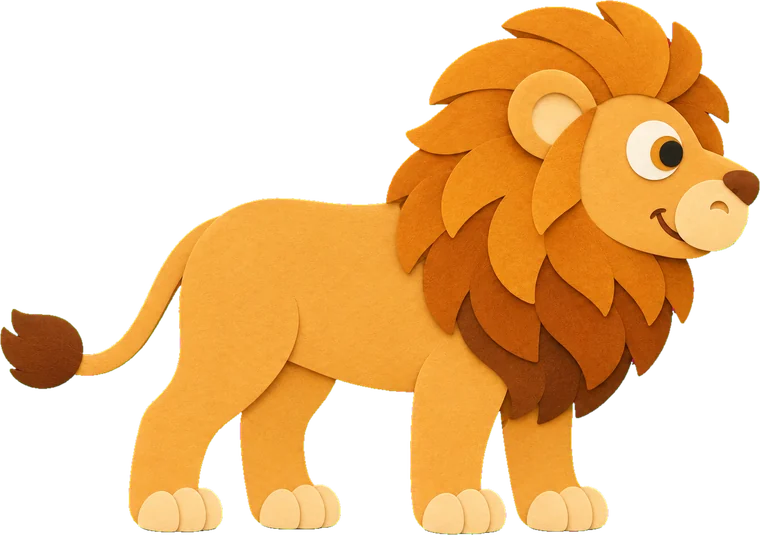 Lion Facts for Kids: Why Do Male Lions Have Manes? Answers to Your Child's QuestionsHow big lions are, what the mane is for, how a pride works, how far a roar carries and why lions rest about 20 hours a day, in words a young child can follow.
-
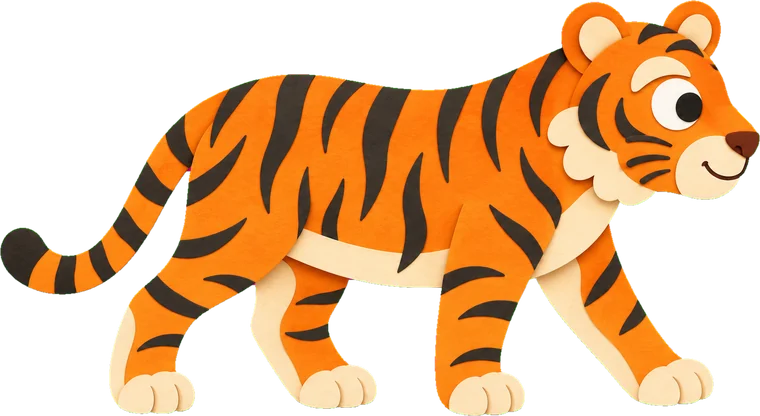 Tiger Facts for Kids: Why Do Tigers Have Stripes? Answers to Your Child's QuestionsBody length about 1.4-2.8 m (4.5-9 ft), tail not included · Weight big males up to about 300 kg (660 lb). How big tigers get, what the stripes are for, why they love water, why they live alone and how many are left in the wild, in words a young child can follow.
-
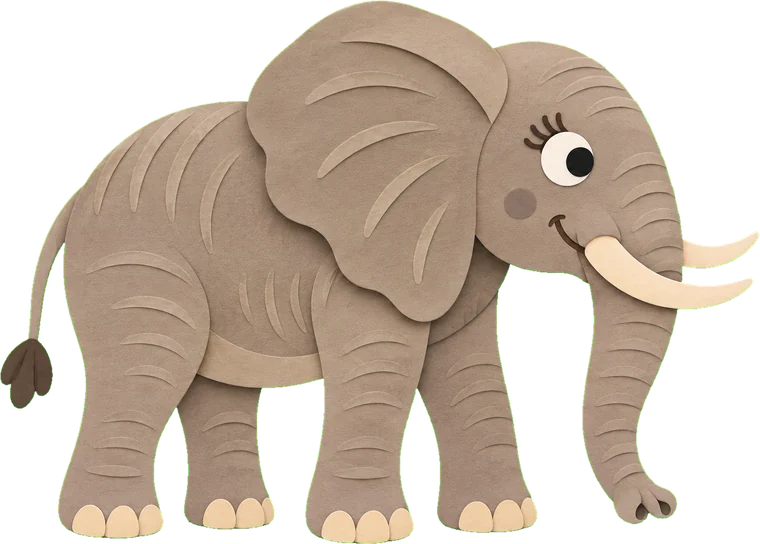 Elephant Facts for Kids: Why Is the Trunk So Long? Answers to Your Child's QuestionsShoulder height males about 3-3.2 m (10-10.5 ft) · Weight males about 6,000 kg (6 tonnes). How big African elephants are, what the trunk and the huge ears do, what tusks really are, and how a grandmother leads the family, in words a young child can follow.
-
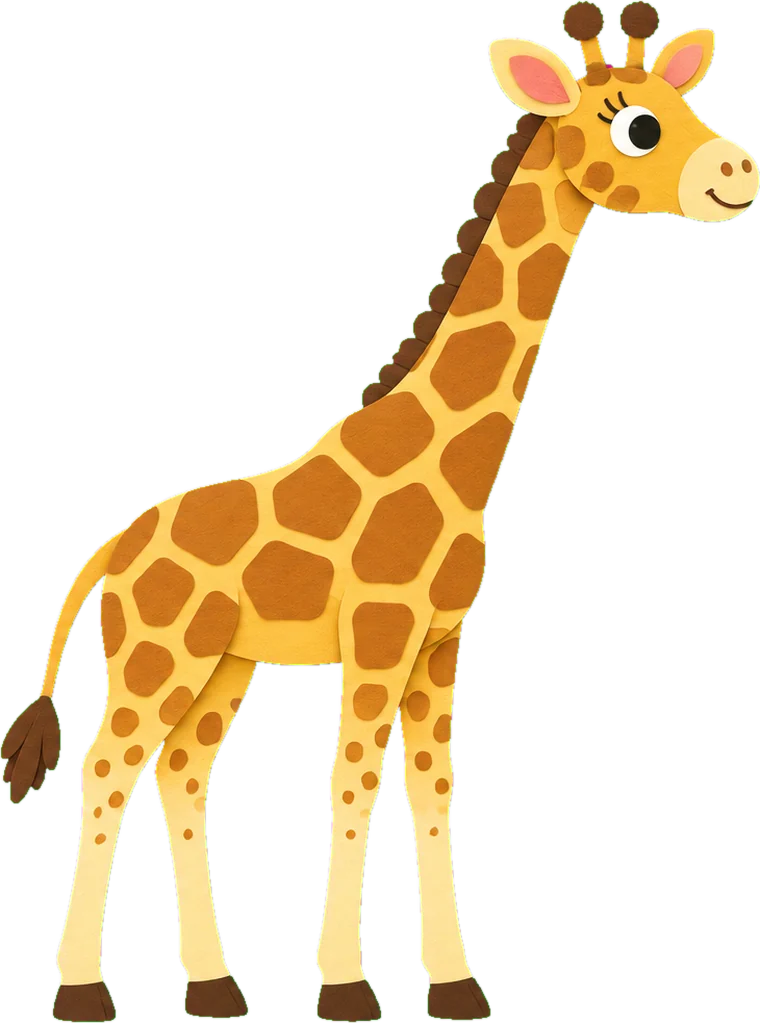 Giraffe Facts for Kids: Why the Long Neck, and How Many Neck Bones? Answers to Your Child's QuestionsHeight about 4.3-5.7 m (14-19 ft) · Weight about 800-1,300 kg (1,750-2,800 lb). How tall giraffes are, the seven neck bones they share with us, the long dark tongue, the huge heart and the awkward way they drink, in words a young child can follow.
-
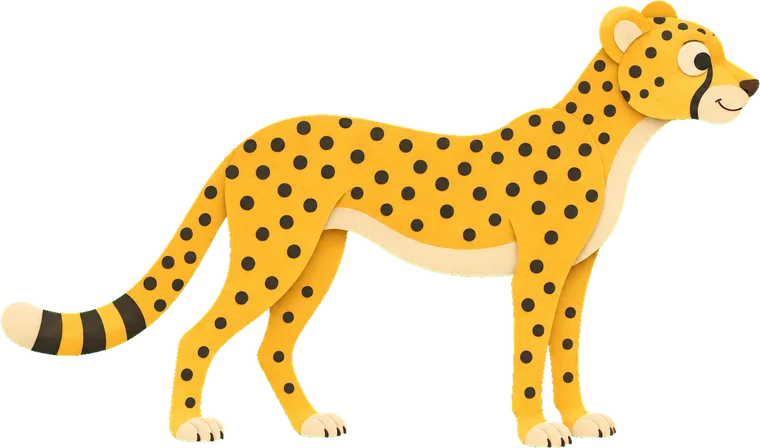 Cheetah Facts for Kids: How Fast Is It, and Why Can't It Run for Long? Answers to Your Child's QuestionsBody length about 1.1-1.5 m (3.5-5 ft), tail not included · Weight about 35-65 kg (75-140 lb). How fast a cheetah really runs, how long one stride is, why it tires so quickly, what the tear marks are, the sounds it makes instead of roaring and how to tell it from a leopard.
-
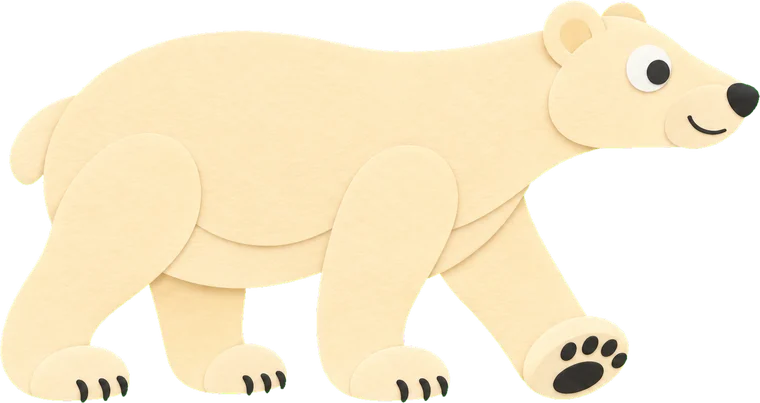 Polar Bear Facts for Kids: Why White Fur and Black Skin? Answers to Your Child's QuestionsBody length males about 2-2.5 m (6.5-8 ft) · Weight males about 350-600 kg (770-1,300 lb). How big polar bears are, their see-through fur and black skin, the fat that keeps them warm, how well they swim, and why they never meet penguins, in words a young child can follow.
-
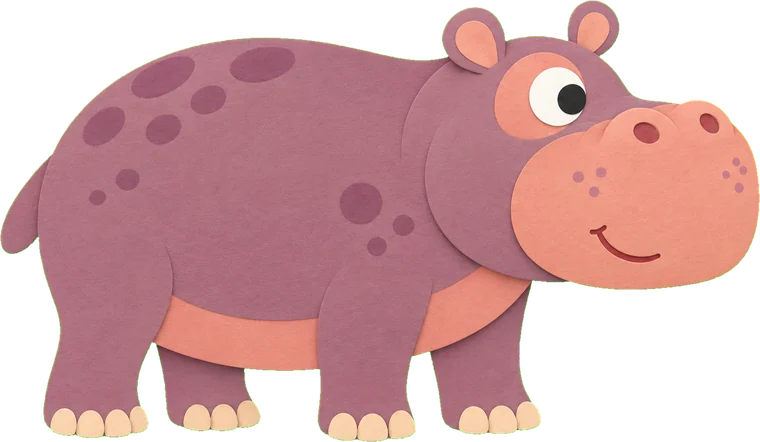 Hippo Facts for Kids: Is It True They Can't Swim? Answers to Your Child's QuestionsBody length about 3.3-5 m (11-16.5 ft) · Weight about 1,300-3,200 kg (1.3-3.2 tonnes). How big hippos are, why they spend the day in water, how they walk on the riverbed instead of swimming, their red home-made sunscreen and their all-grass diet.
-
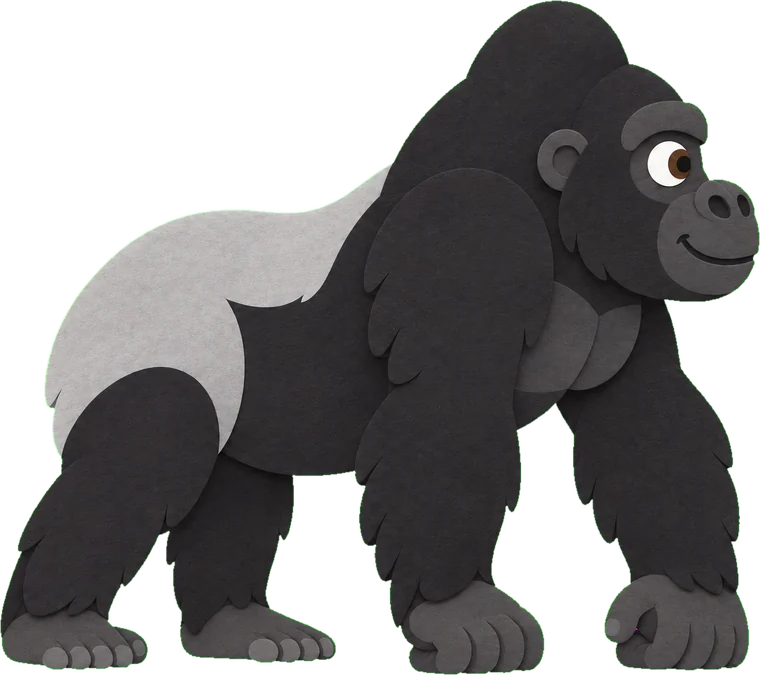 Gorilla Facts for Kids: Why Do They Beat Their Chests, and What Do They Eat? Answers to Your Child's QuestionsHeight males about 1.4-1.8 m (4.5-6 ft) standing · Weight males about 140-230 kg (300-500 lb). How big gorillas are, why they beat their chests, their plant-based diet, the silverback who leads the family and the fresh nest they build every night.
-
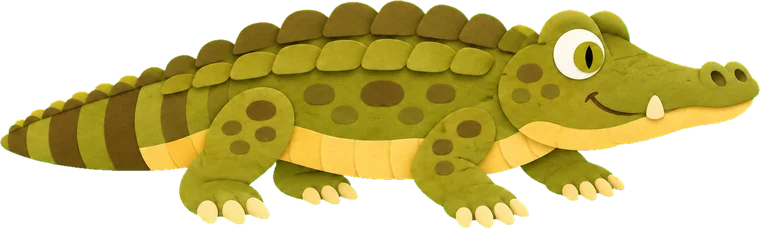 Crocodile Facts for Kids: How Many Teeth, and Do They Grow Back? Answers to Your Child's QuestionsLength male Nile crocodiles about 3-5 m (10-16 ft) · Weight about 225-750 kg (500-1,650 lb). How big Nile crocodiles get, how many teeth they have and how those teeth keep growing back, why they bask with open mouths, and how a mother crocodile guards her eggs and carries her babies.
-
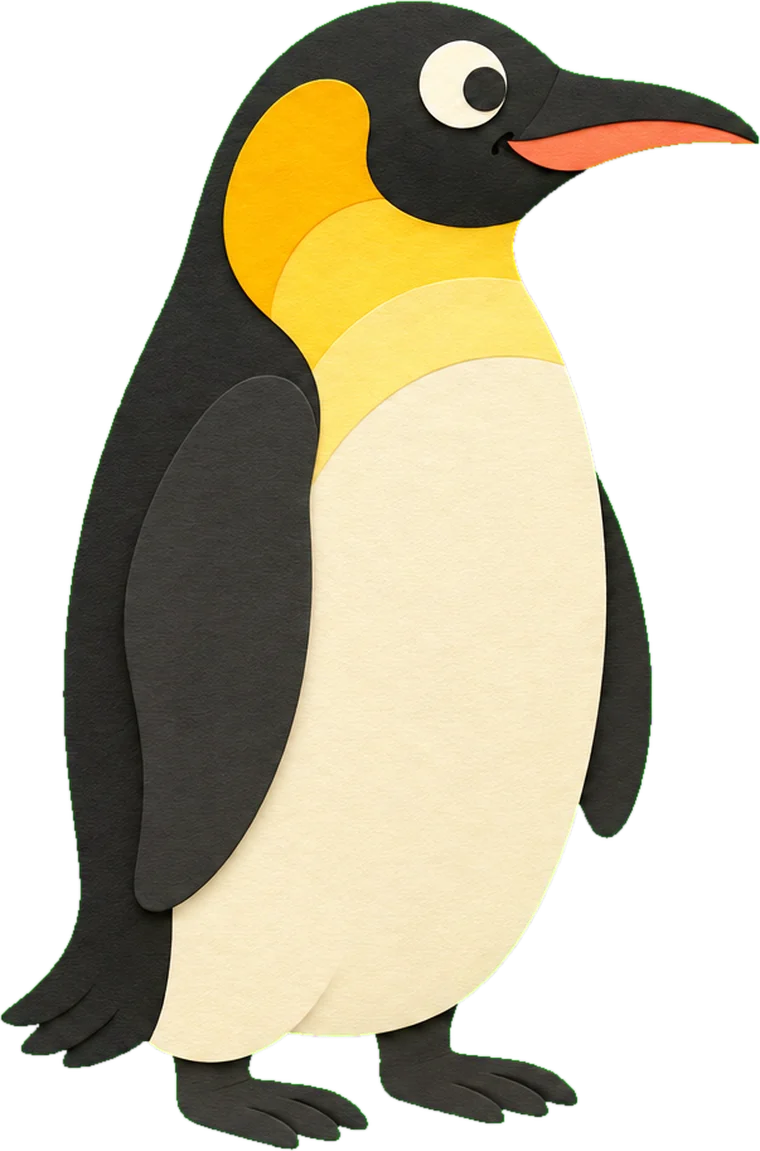 Emperor Penguin Facts for Kids: Why Can't Penguins Fly, and Who Minds the Egg? Answers to Your Child's QuestionsHeight about 1-1.2 m (3.3-4 ft) · Weight about 25-45 kg (55-100 lb). How big emperor penguins are, why they cannot fly, how deep they dive, how the father keeps the egg on his feet, and why they live in Antarctica and not the Arctic.
-
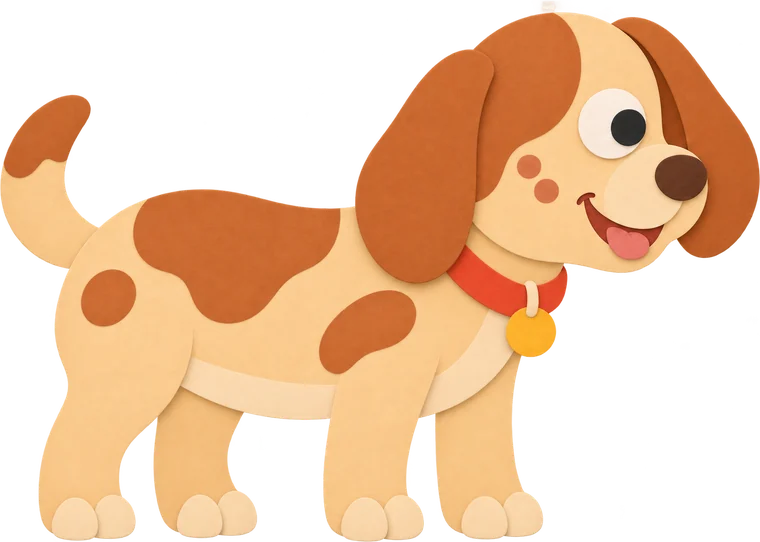 Dog Facts for Kids: Why Do Dogs Pant, and Can They See Colours? Answers to Your Child's QuestionsWhy dogs pant, how they came from wolves, their amazing noses, the colours they see, puppy teeth and adult teeth, and how to say hello to a dog you don't know.
-
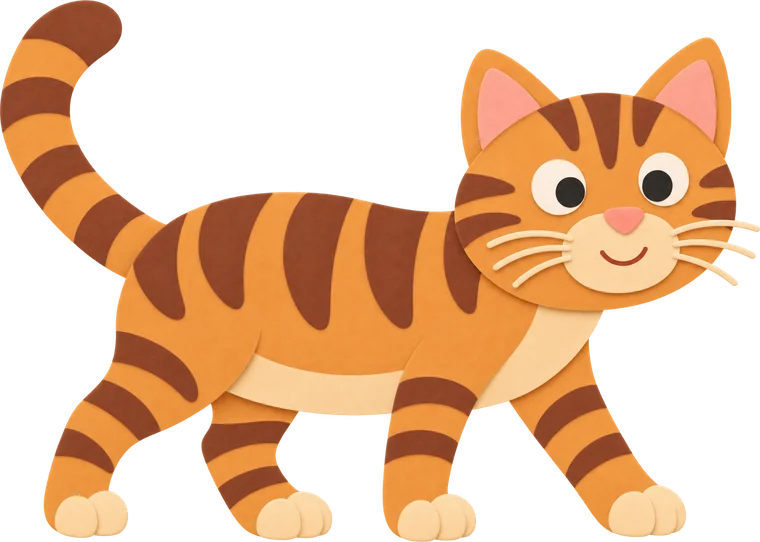 Cat Facts for Kids: Why Do Cats Sleep So Much, and What Are Whiskers For? Answers to Your Child's QuestionsWhy cats sleep 12 to 16 hours a day, how they see in dim light, what whiskers measure, what purring means, why water beats milk, and how to make friends with a cat.
-
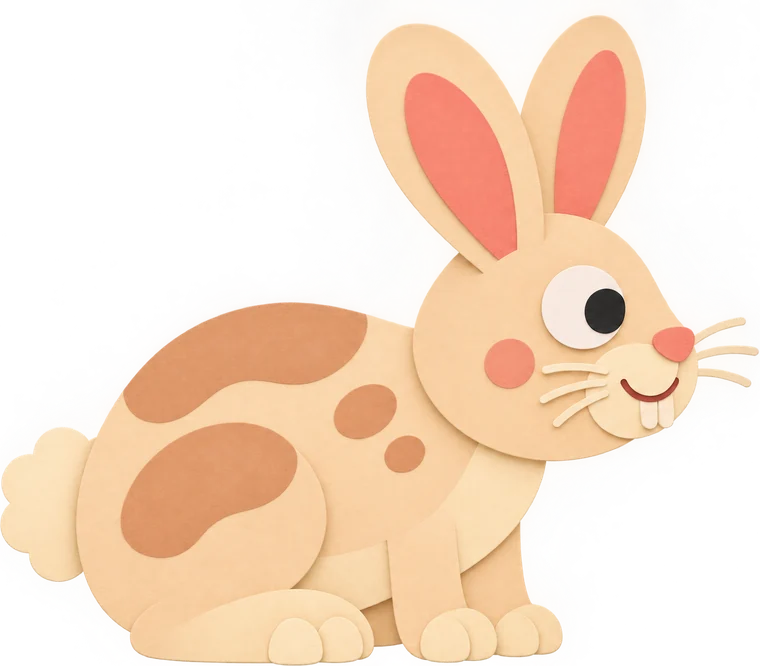 Rabbit Facts for Kids: Do Rabbits Really Love Carrots, and Why Do Their Teeth Keep Growing? Answers to Your Child's QuestionsWhy hay, not carrots, is a rabbit's real food, teeth that grow for life, eyes that see almost all the way round, how rabbits differ from rodents, and how to hold one safely.
-
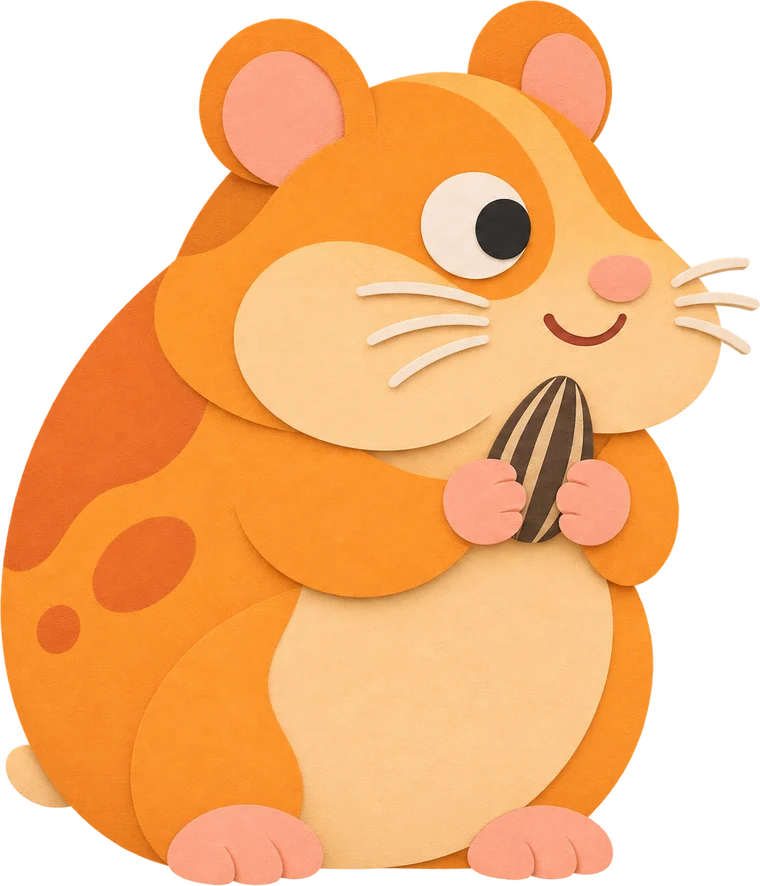 Hamster Facts for Kids: Why Are Their Cheeks So Puffy, and Why Do They Sleep All Day? Answers to Your Child's QuestionsLength about 13-20 cm (5-8 in) · Weight about 100-150 g (3.5-5 oz). How big golden hamsters are, their stretchy cheek pouches, teeth that never stop growing, their night-time life, why they live alone, where they came from, and how to handle them.
-
 Giant Panda Facts for Kids: Why Do Pandas Eat So Much Bamboo, and Are They Bears? Answers to Your Child's QuestionsWhy pandas count as bears, why they spend 10 to 16 hours a day eating bamboo, the wrist-bone thumb they grip with, tiny pink newborns, and why pandas never hibernate.
-
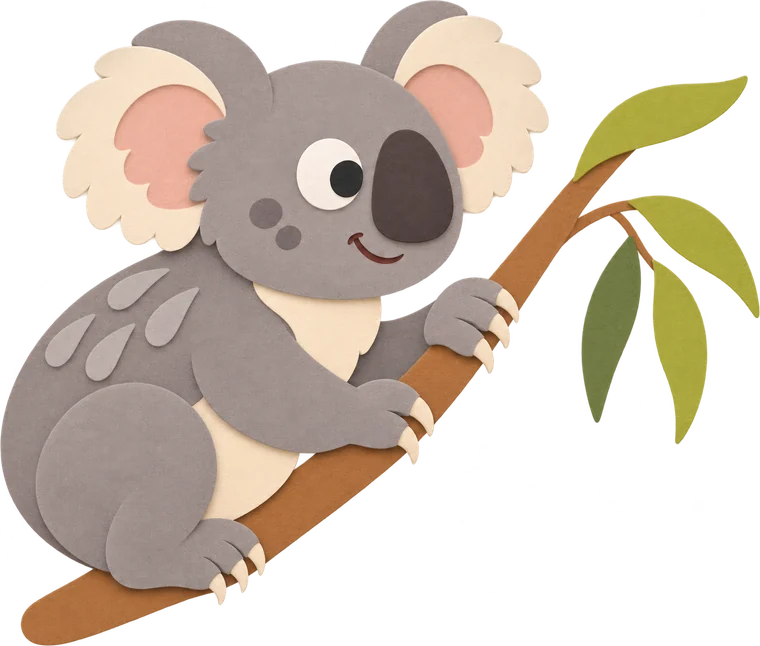 Koala Facts for Kids: Is a Koala a Bear, and Why Does It Sleep All Day? Answers to Your Child's QuestionsWhy koalas are not bears, why they sleep 18 to 22 hours a day, eucalyptus leaves and water, the jelly-bean-sized baby that grows in a pouch, and the koala's human-like fingerprints.
-
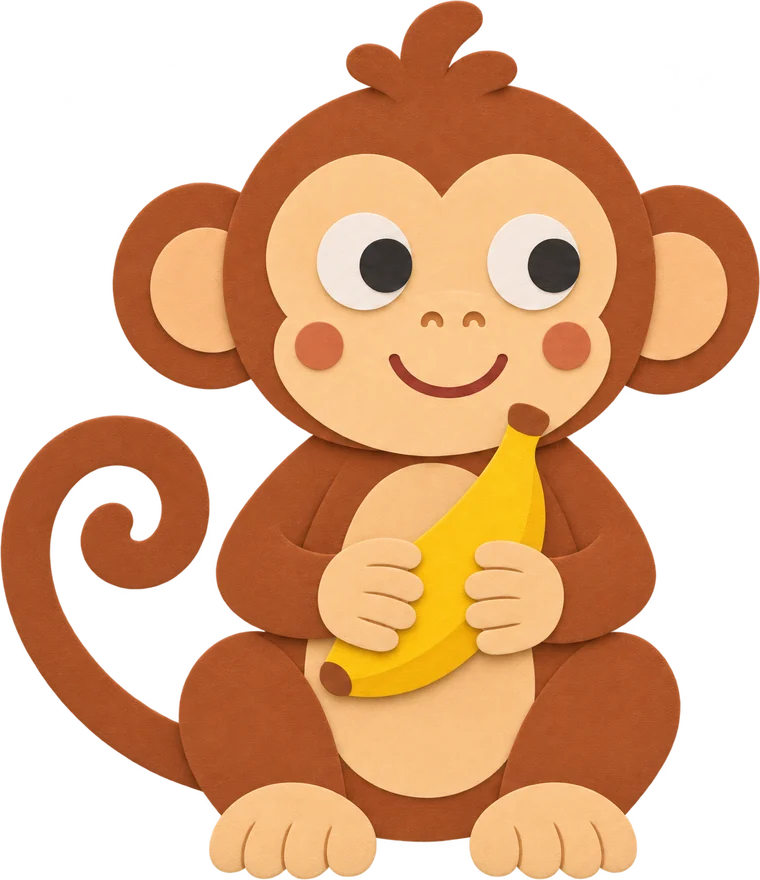 Monkey Facts for Kids: Do Monkeys Only Eat Bananas, and Is a Gorilla a Monkey? Answers to Your Child's QuestionsMore than 250 kinds of monkey, tails that grip branches, how to tell monkeys from apes, grooming, the smallest and largest monkeys, and the monkeys that live in the snow.
-
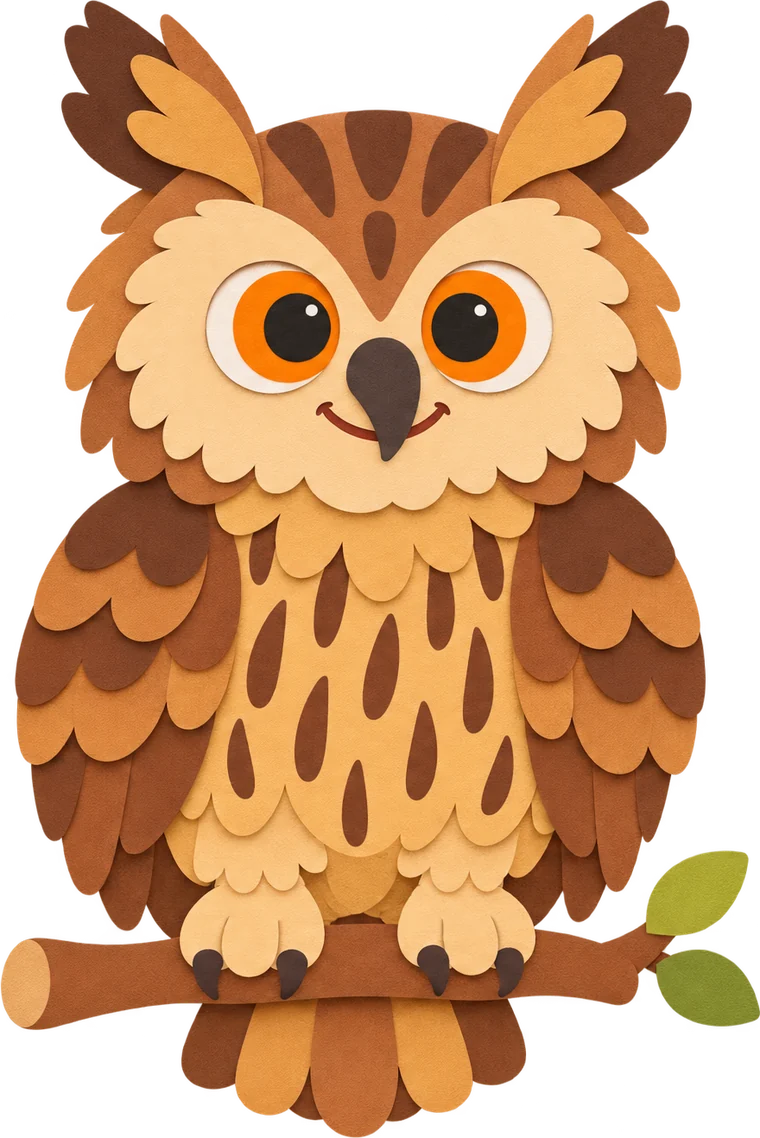 Owl Facts for Kids: Are Those Ears on Its Head, and How Far Can an Owl Turn Its Head? Answers to Your Child's QuestionsLength eagle-owl about 60-75 cm (2-2.5 ft) · Wingspan about 1.5-1.8 m (5-6 ft). The ear tufts that are really feathers, why owls turn their heads instead of their eyes, silent flight, night-time life, and the size of the Eurasian eagle-owl, a Korean Natural Monument.
-
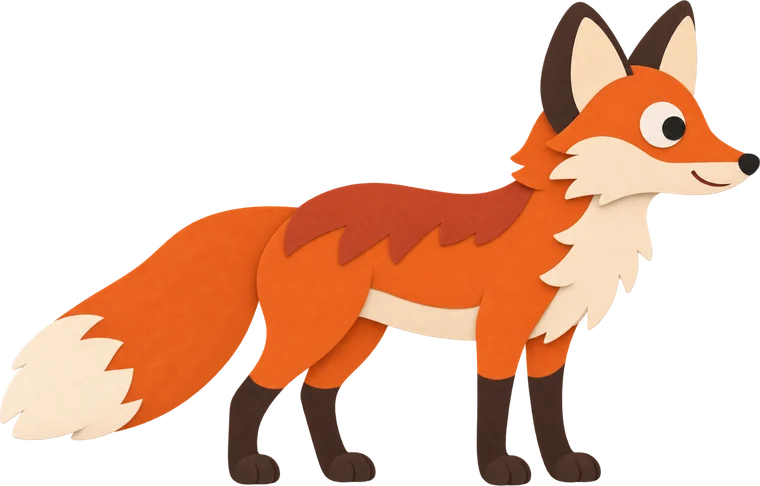 Red Fox Facts for Kids: Why the Big Tail, and Why Do Foxes Dive into Snow? Answers to Your Child's QuestionsBody length about 45-90 cm (18-35 in), tail not included · Weight about 3-11 kg (6.5-24 lb). How big red foxes are, the white tail tip, ears that hear mice under the snow, the famous head-first pounce, why foxes are part of the dog family and the story of foxes returning to Korea.
-
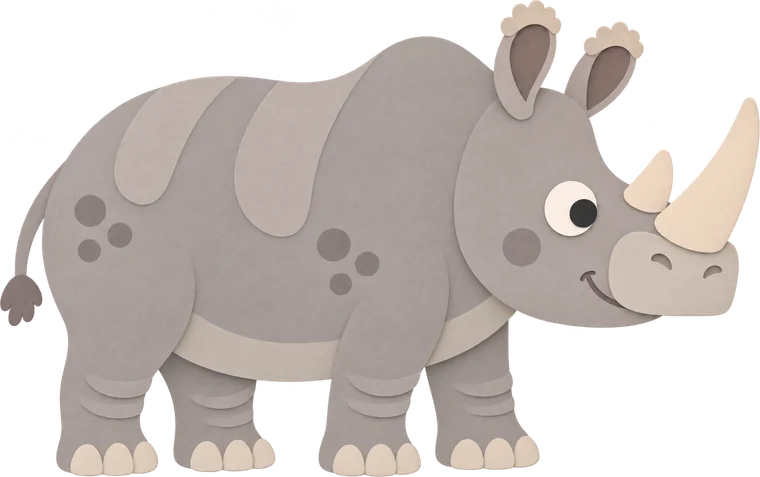 Rhino Facts for Kids: What Is a Horn Made of, and Is a White Rhino Really White? Answers to Your Child's QuestionsBody length about 3.4-4 m (11-13 ft), tail not included · Shoulder height about 1.5-1.8 m (5-6 ft). How big a white rhino is, its two horns made of the same stuff as fingernails, the wide lips that mow grass, why it loves mud baths and the puzzle of its name, in words a young child can follow.
-
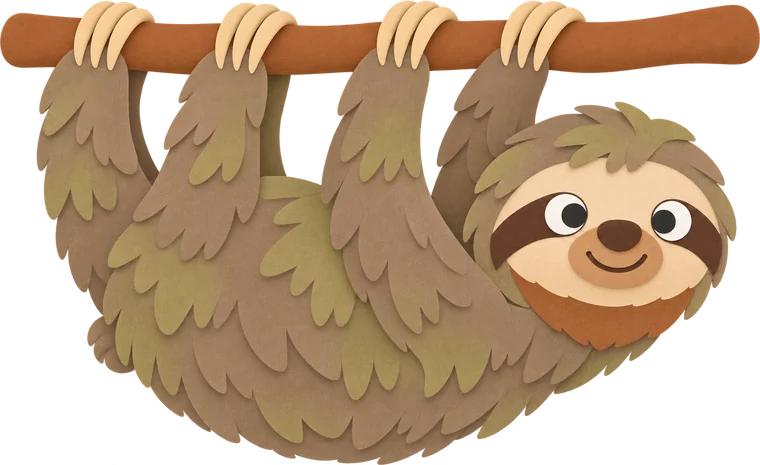 Sloth Facts for Kids: Why So Slow, and Do Sloths Really Sleep All Day? Answers to Your Child's QuestionsLength about 45-75 cm (18-30 in) · Weight about 3-6 kg (7-13 lb). How big three-toed sloths are, their hooked claws, why they move so slowly, how much they really sleep, the once-a-week toilet trip, the green fur and their surprising swimming skills.
-
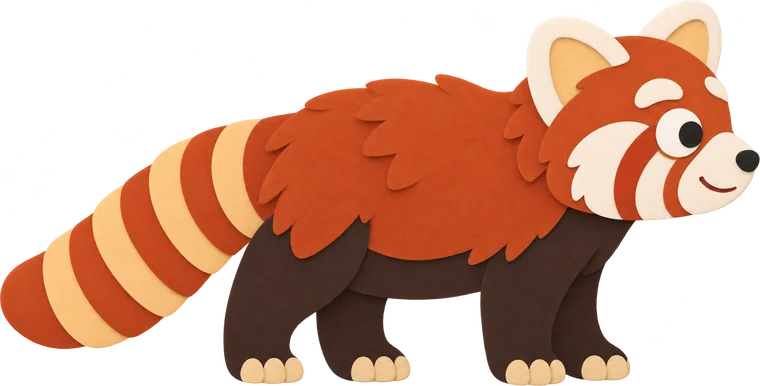 Red Panda Facts for Kids: Is It Related to the Giant Panda, and Why the Long Tail? Answers to Your Child's QuestionsBody length about 50-64 cm (20-25 in), tail not included · Weight about 3-6 kg (7-13 lb). How big red pandas are, the ringed tail they use as a blanket, the false thumb for gripping bamboo, how they differ from giant pandas, who was named panda first and why they stand on two legs.
-
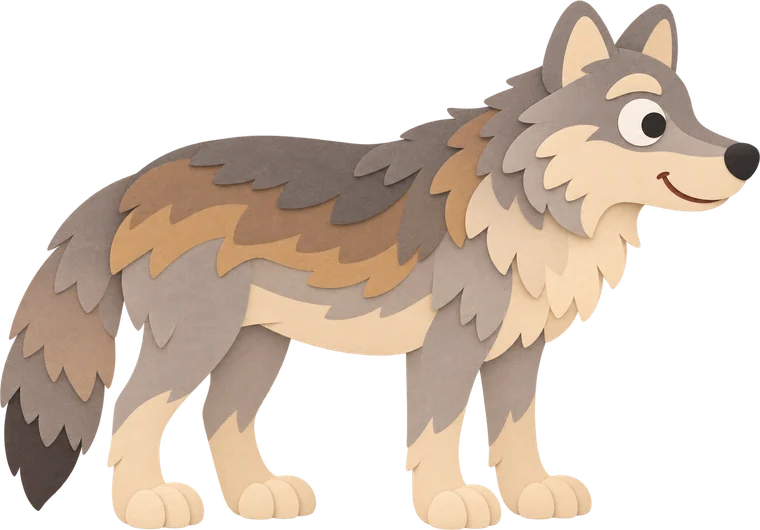 Wolf Facts for Kids: Why Do Wolves Howl, and Are They Related to Dogs? Answers to Your Child's QuestionsBody length about 1-1.6 m (3-5 ft), tail not included · Weight about 20-80 kg (40-175 lb). How big gray wolves are, their many coat colours, packs that are really families, the true reasons for howling, the moon myth and why every pet dog has a wolf for an ancestor.
-
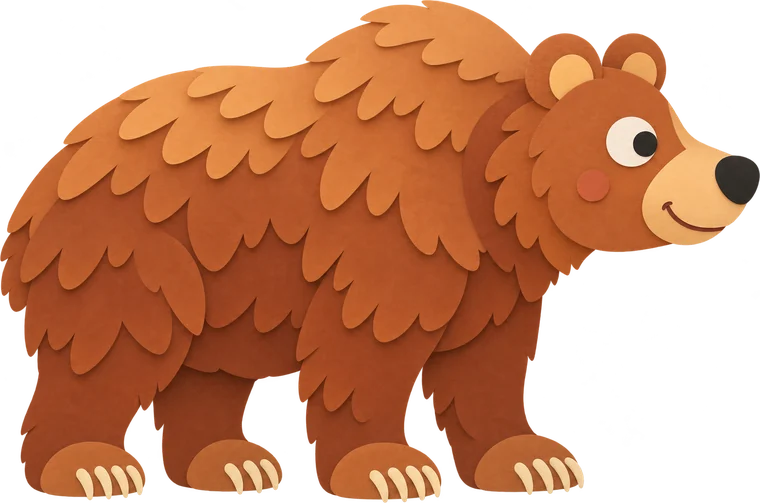 Bear Facts for Kids: Why Do Bears Hibernate, and Where Are Cubs Born? Answers to Your Child's QuestionsLength about 1.5-2.4 m (5-8 ft) · Weight about 90-400 kg (200-850 lb), the biggest even more. How big brown bears are and how fast they run, the great autumn feast, winter sleep and cubs born in the den, Korea's Asiatic black bears and what to do if you meet a bear.
-
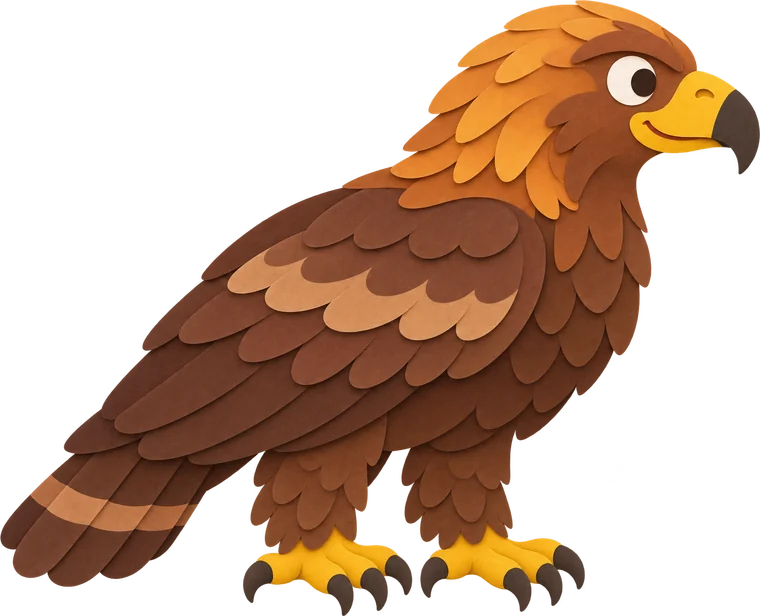 Eagle Facts for Kids: How Big Are Its Wings, and What Is a Korean "Dokssuri"? Answers to Your Child's QuestionsHow big golden eagles are, their 2 m wings, the golden nape and feathered legs, the lightning-fast dive, huge cliff nests, and why the Korean word 독수리 really means a vulture.
-
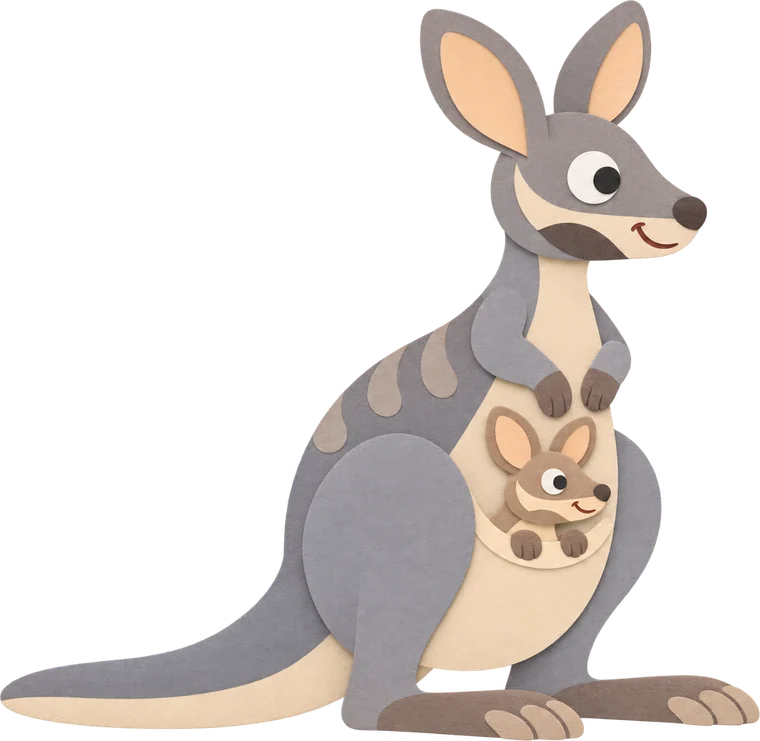 Kangaroo Facts for Kids: What Is in the Pouch, and How Tiny Is a Baby? Answers to Your Child's QuestionsStanding height about 1.5 m (5 ft) · Weight males about 55-90 kg (120-200 lb). How big kangaroos are, how far they bound, the jellybean-sized baby that grows up in the pouch, and the tail that works like a fifth leg, in words a young child can follow.
-
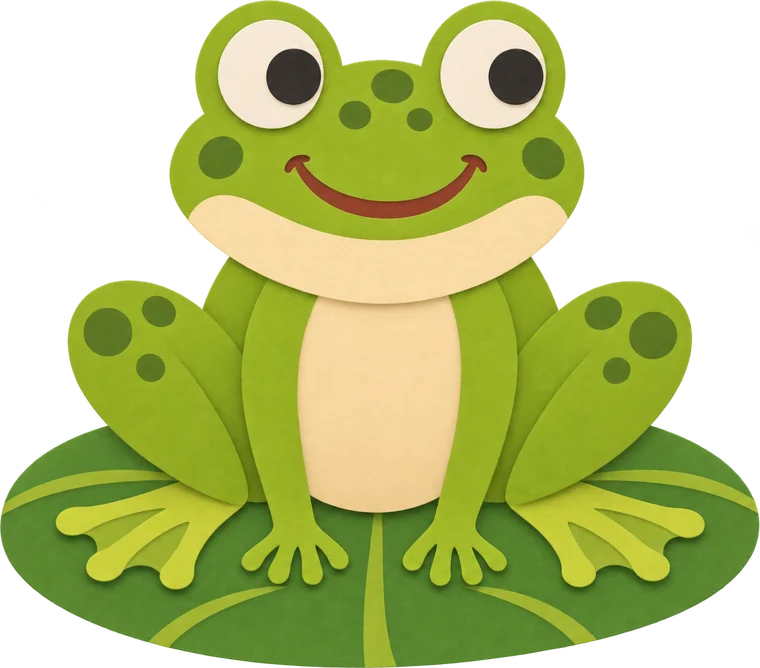 Frog Facts for Kids: How Does a Tadpole Become a Frog, and Where Does the Tail Go? Answers to Your Child's QuestionsFrom eggs to tadpoles, back legs, front legs and a vanishing tail: how a frog grows up, why it drinks through its skin and where it spends the winter, in words a young child can follow.
-
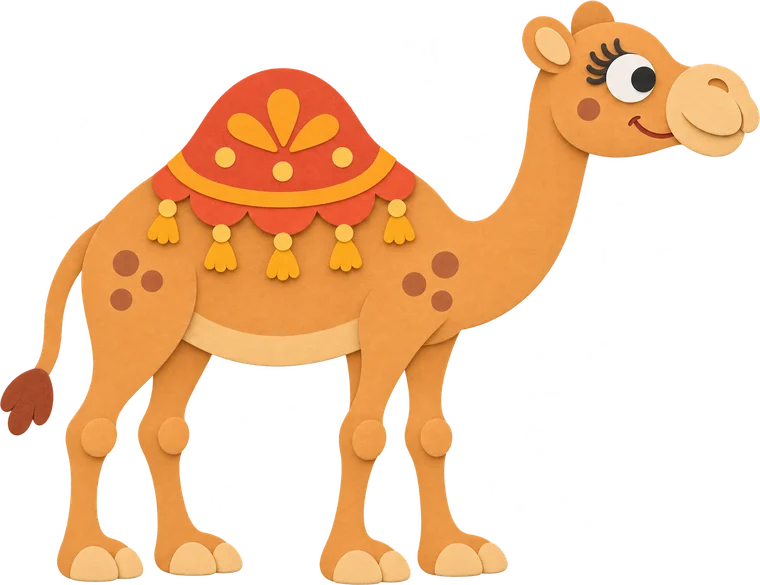 Camel Facts for Kids: Is the Hump Full of Water, and How Much Can a Camel Drink? Answers to Your Child's QuestionsWhy a camel's hump holds fat, not water, how it can drink more than 100 litres at once, and how double eyelashes, closing nostrils and broad feet help it in the desert, in words a young child can follow.
-
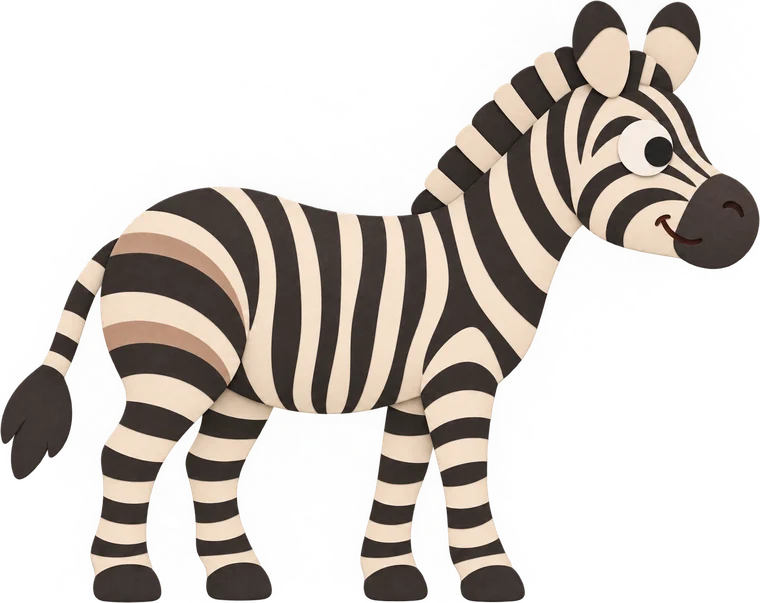 Zebra Facts for Kids: Why the Stripes, and Is a Zebra White or Black? Answers to Your Child's QuestionsShoulder height about 1.3-1.4 m (4.2-4.6 ft) · Weight about 175-320 kg (390-710 lb). Why every zebra's stripes are different, the black skin under the coat, the biting-fly experiments, family herds and fast running, in words a young child can follow.
-
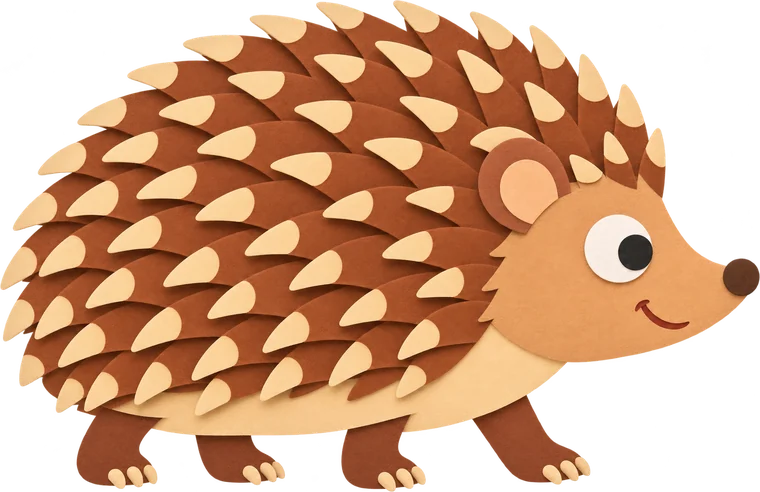 Hedgehog Facts for Kids: How Many Spines, and Can Hedgehogs Shoot Them? Answers to Your Child's QuestionsLength about 16-29 cm (6-11 in) · Weight about 600-1,000 g (1.3-2.2 lb). What hedgehog spines really are, how many there are, how a hedgehog rolls into a ball, where hedgehogs live in Korea, why they hibernate and why they must never be given milk, in words a young child can follow.
-
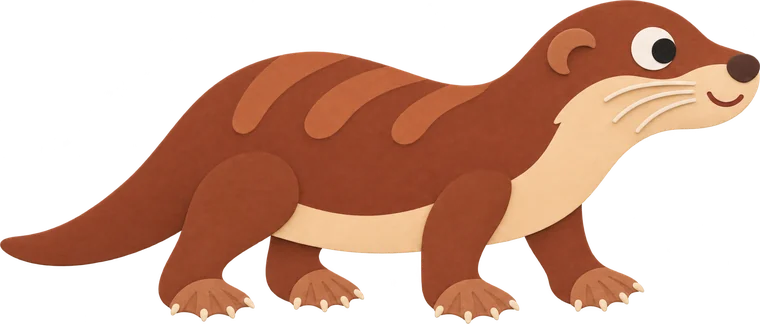 Otter Facts for Kids: How Long Can an Otter Hold Its Breath, and Is It a Sea Otter? Answers to Your Child's QuestionsLength about 60-90 cm (2-3 ft), plus tail · Weight about 7-12 kg (15-26 lb). How big Eurasian otters are, their webbed feet and two-layer fur, closing ears and nose underwater, finding food with whiskers, how they differ from sea otters, and why Korea protects them.
-
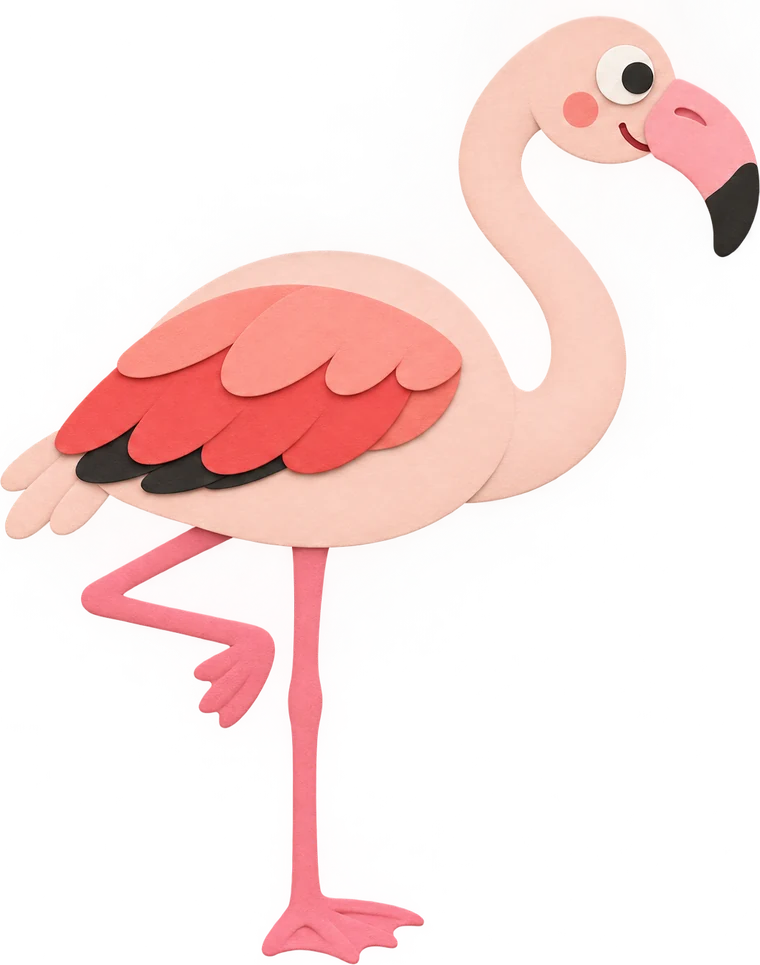 Flamingo Facts for Kids: Why Pink, and Why Stand on One Leg? Answers to Your Child's QuestionsHeight about 1.1-1.5 m (3.6-4.9 ft) · Weight about 2-4 kg (4.4-8.8 lb). Why flamingos turn pink from their food, what scientists found about standing on one leg, the backward-bending ankle, upside-down feeding and grey chicks, in words a young child can follow.
Bug stories 23 stories
-
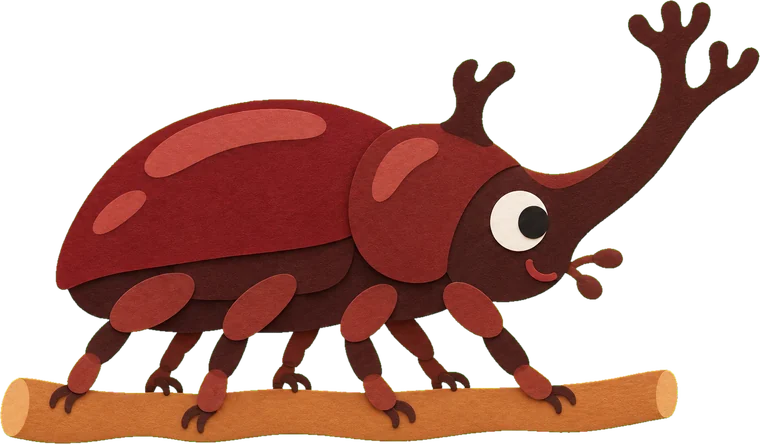 Rhinoceros Beetle Facts for Kids: Why Do Only Males Have a Horn?Length about 3-8 cm with the horn. Size, horn, food and life cycle of the Japanese rhinoceros beetle, with simple answers to the questions children really ask.
-
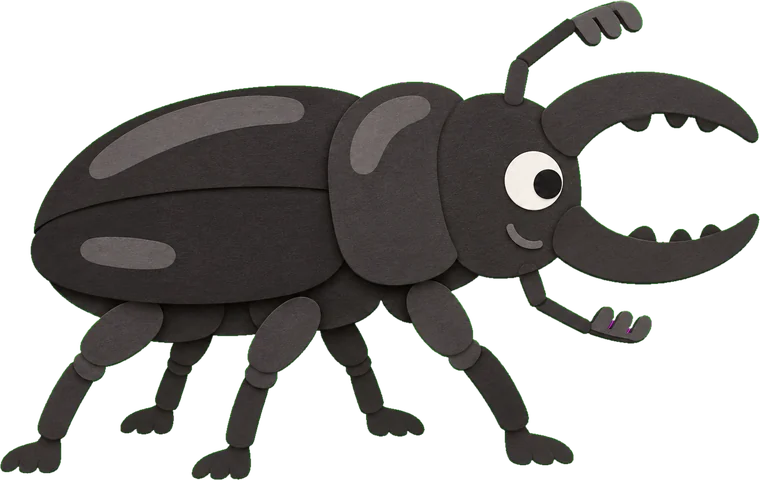 Stag Beetle Facts for Kids: Are Those Big Pincers Horns or Jaws?Length about 4-8 cm (male Dorcus titanus). What a stag beetle's 'antlers' really are, how big the beetles get, what they eat and where the grubs live, in words a young child can follow.
-
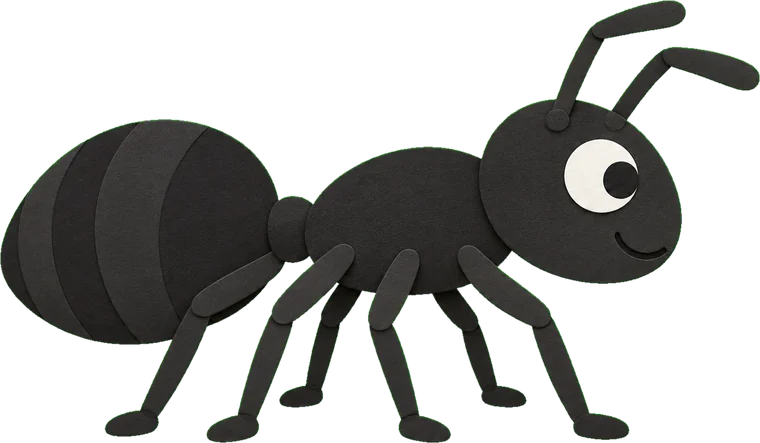 Ant Facts for Kids: Why Do Ants Walk in a Line?Length about 1 cm (Japanese carpenter ant worker). Why ants march in lines, what the queen and workers do, how strong ants are and how long they live, with simple answers for curious children.
-
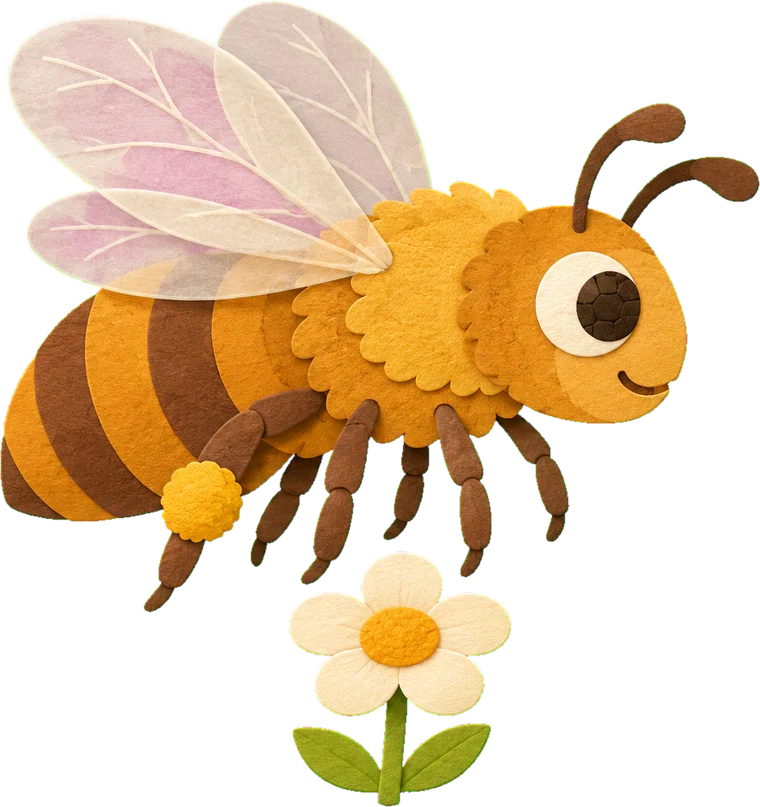 Honeybee Facts for Kids: Why Do Bees Dance, and Why Do They Sting?Length worker about 1-1.5 cm. How honeybees make honey, the waggle dance, what the queen and workers do, and a calm rule for when a bee flies close.
-
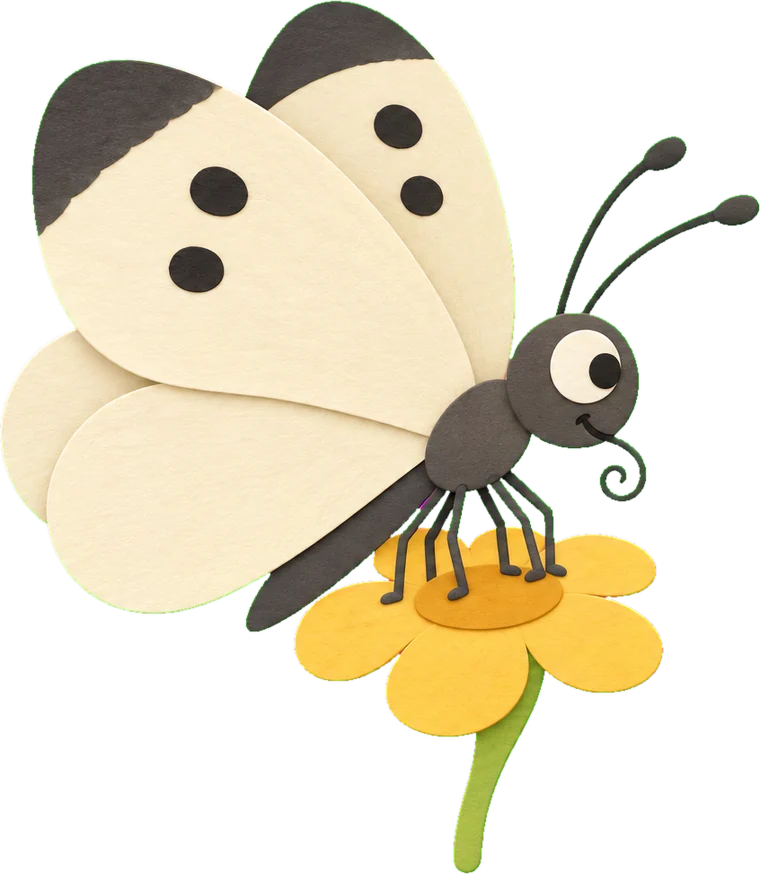 Butterfly Facts for Kids: How Does a Caterpillar Become a Butterfly?Wingspan about 4-5 cm (cabbage white). The four stages of a butterfly's life, the scales on its wings and why it tastes with its feet, told through the cabbage white that children see every spring.
-
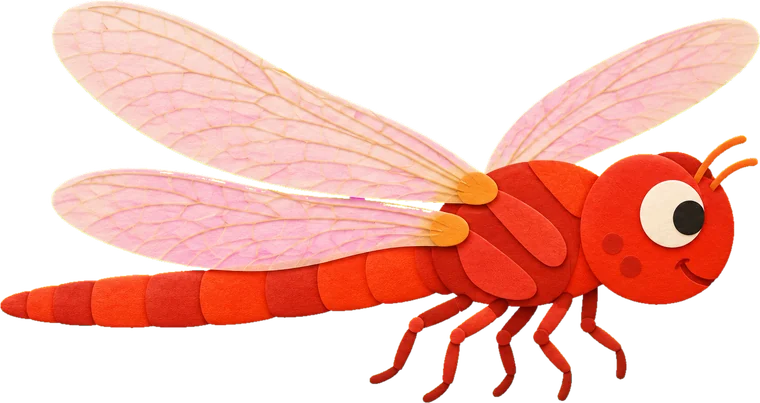 Dragonfly Facts for Kids: Why Are a Dragonfly's Eyes So Big?Length about 4-5 cm (scarlet skimmer). Huge compound eyes, four wings that move separately and a childhood spent under water: dragonflies explained in simple words for young children.
-
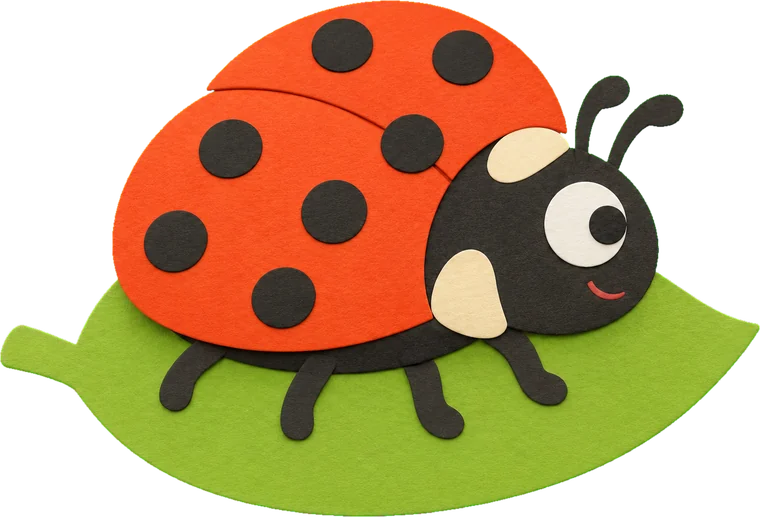 Ladybug Facts for Kids: Do the Spots Tell You Its Age?Length about 5-8 mm (seven-spot ladybug). Spots, colours, aphid lunches, the yellow defence fluid and winter sleep: ladybugs explained in simple words, with the 'spots equal age' myth put right.
-
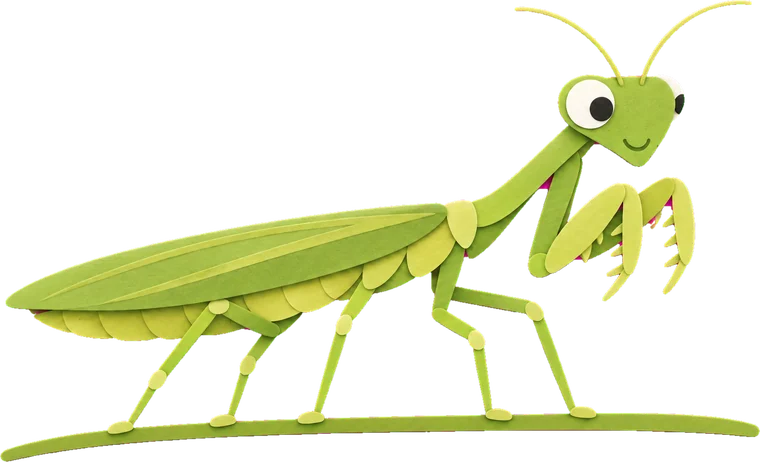 Praying Mantis Facts for Kids: Why Does a Mantis Turn Its Head to Look at You?Length about 7-10 cm (Chinese mantis). Folding front legs, five eyes, a head that swivels and a foam egg case: the praying mantis explained in gentle, simple words for young children.
-
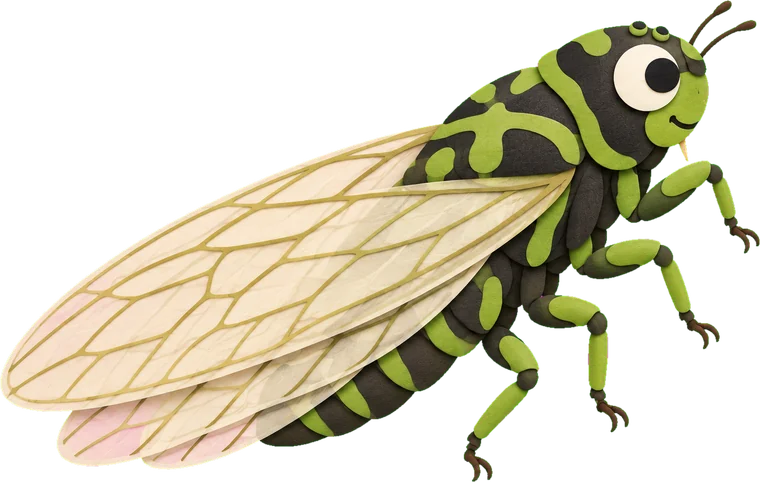 Cicada Facts for Kids: Why Are Cicadas So Loud?Length about 3.5 cm (Korean min-min cicada). Why cicadas sing, how they make the sound, the years spent underground and the empty shells left on trees, in simple words for young children.
-
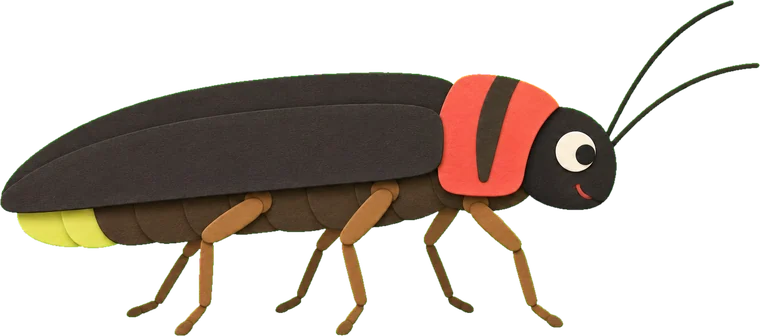 Firefly Facts for Kids: Is a Firefly's Light Hot?Length about 7-10 mm (Aquatica lateralis). How fireflies make cold light, why they flash, what the larvae eat and why they need dark nights, in simple words for young children.
-
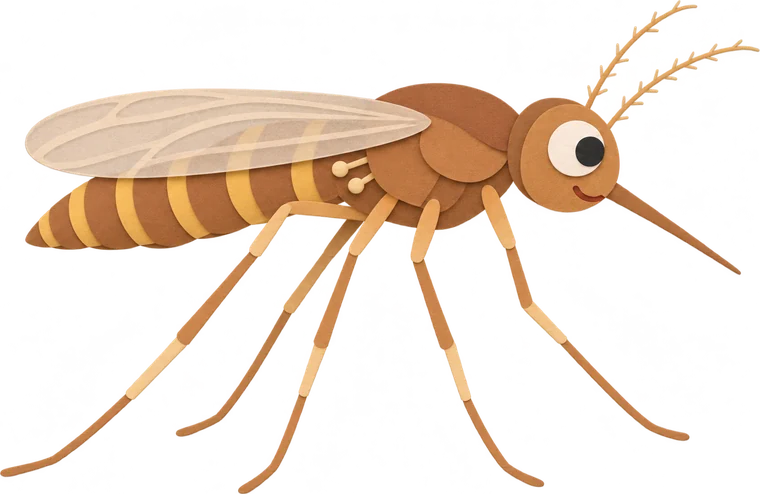 Mosquito Facts for Kids: Why Do Mosquitoes Bite?Length around 5 mm (common house mosquito). Why only female mosquitoes bite, why bites itch, how a wriggler in a puddle becomes a mosquito, and simple ways to avoid bites, for curious children.
-
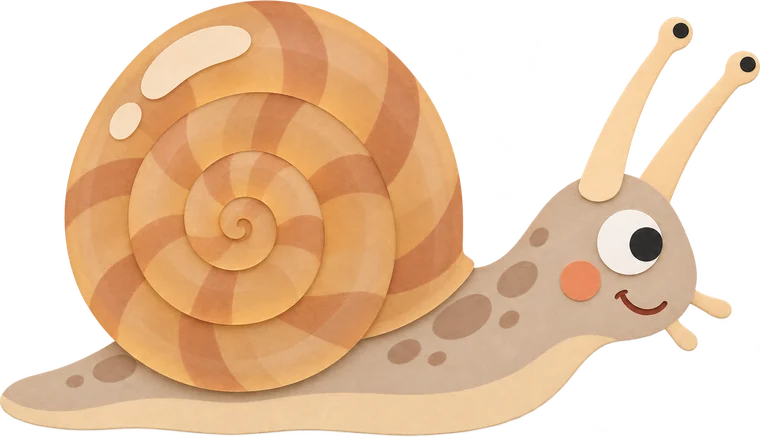 Snail Facts for Kids: Is a Snail an Insect?Speed about 1 m (3 ft) an hour at best. Why a snail is not an insect, where its eyes are, how it moves on one foot, its thousands of tiny teeth and why it loves rainy days, in simple words for children.
-
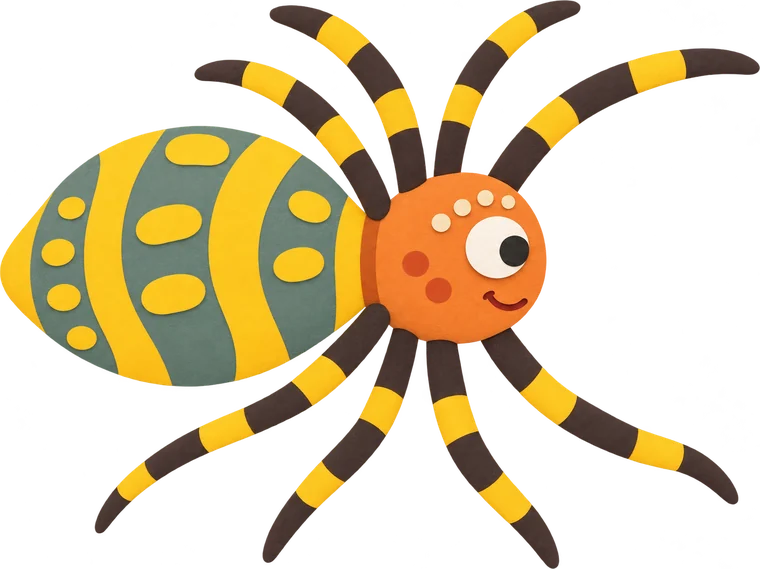 Spider Facts for Kids: Is a Spider an Insect?Joro spider size female body about 1.7-3 cm. Why spiders are not insects, how they spin silk, why they do not stick to their own webs and how baby spiders fly on the wind, with simple answers for children.
-
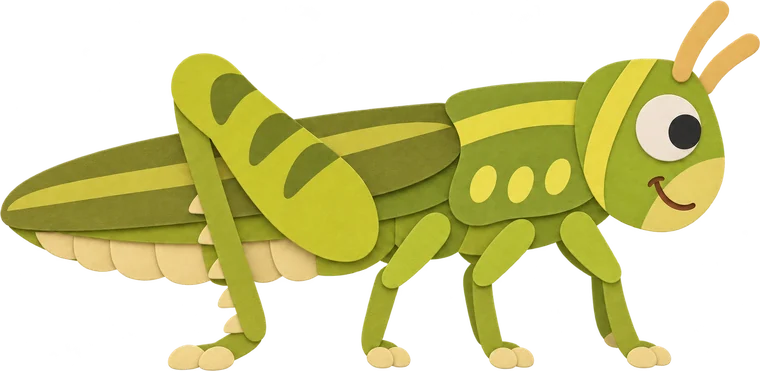 Grasshopper Facts for Kids: Where Are a Grasshopper's Ears?Length about 2-4 cm (Korean rice grasshopper). How grasshoppers jump so far, why their ears are on their bellies, how they sing with their legs and grow without a pupa stage, in simple words for children.
-
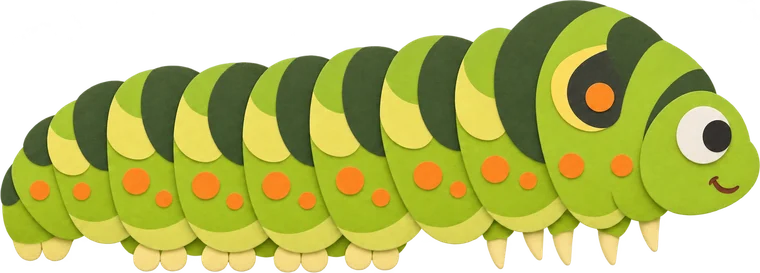 Caterpillar Facts for Kids: How Does a Caterpillar Become a Butterfly?How caterpillars grow by moulting, why they have true legs and prolegs, how a pupa turns into a butterfly or moth, and the swallowtail's bird-dropping disguise, for children.
-
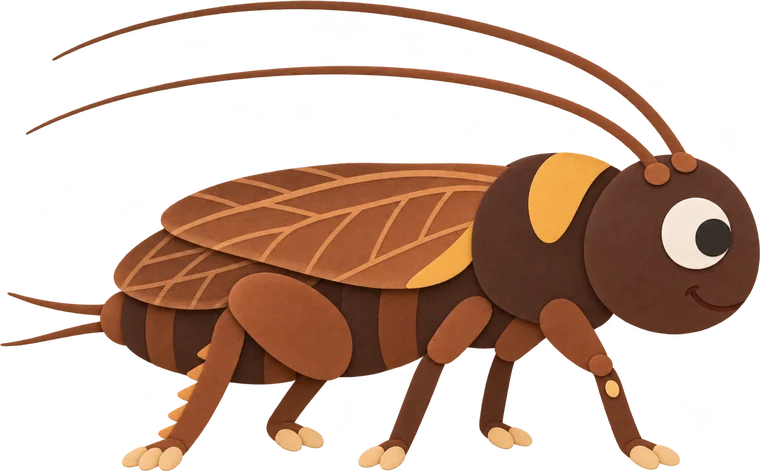 Cricket Facts for Kids: How Do Crickets Sing?Length about 2.5-3.5 cm (Teleogryllus emma). How crickets sing by rubbing their wings, why only males sing, why their ears are on their legs and why warm nights make them chirp faster, for curious children.
-
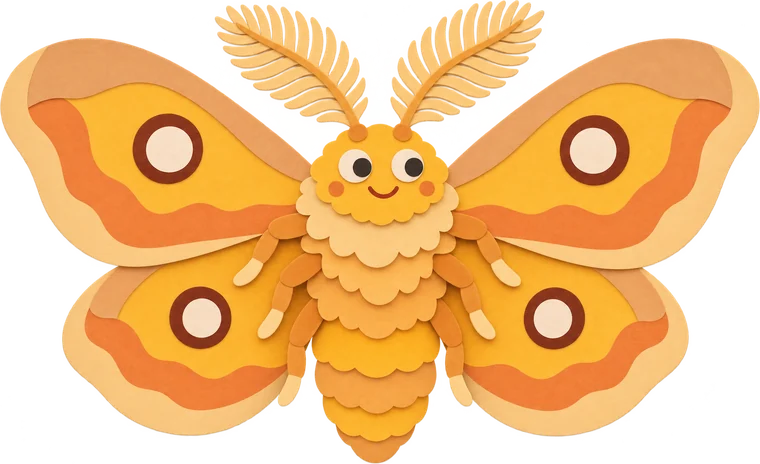 Moth Facts for Kids: Why Do Moths Fly Around Lights?How moths differ from butterflies, why they circle lamps, what the dust on their wings is, and the moths that never eat as adults, in simple words for children.
-
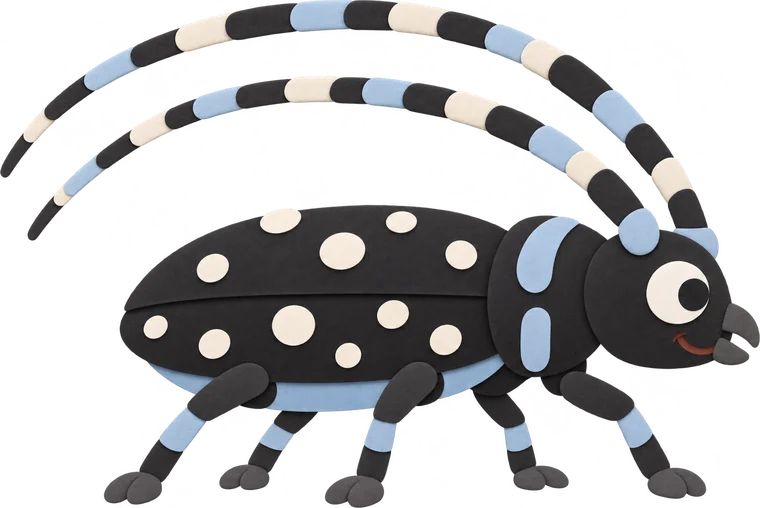 Longhorn Beetle Facts for Kids: Why Are Their Antennae So Long?Length about 2.5-3.5 cm (citrus longhorn beetle). Longhorn beetles: their extra-long antennae, larvae that grow up inside trees, why they squeak, and Korea's rare giant longhorn, in simple words for young children.
-
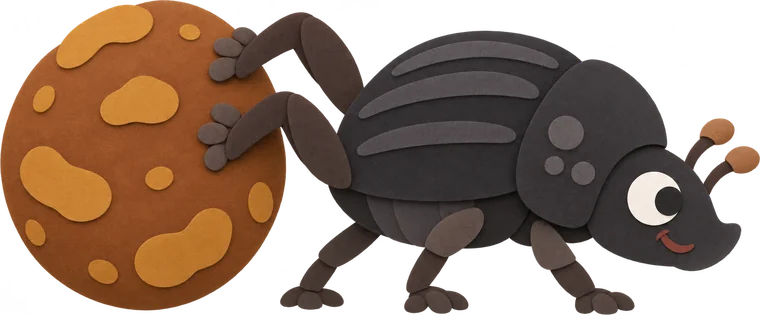 Dung Beetle Facts for Kids: Why Do Dung Beetles Roll Dung?Length about 1-1.5 cm (Gymnopleurus mopsus). Why dung beetles roll dung balls, how they push them backwards, how they steer by the Milky Way, and the dung beetle that vanished from Korea, in simple words for young children.
-
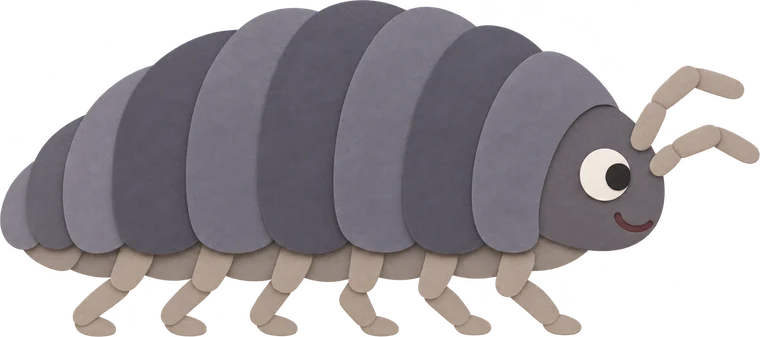 Pill Bug Facts for Kids: Why Do Roly-Polies Roll Up, and Are They Insects?Length about 1 cm, under 2 cm even when big. Why pill bugs roll into a ball, why they are crustaceans and not insects, their fourteen legs, and why they need damp places, in simple words for young children.
-
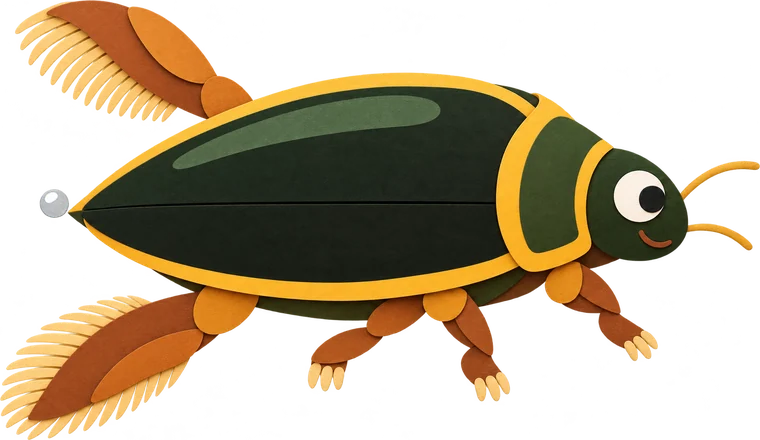 Diving Beetle Facts for Kids: How Does It Breathe Under Water?Length about 3.5-4 cm (1.4-1.6 in). How a diving beetle carries an air bubble under its wing covers, swims with oar-like legs and flies to new ponds at night, in simple words for young children.
-
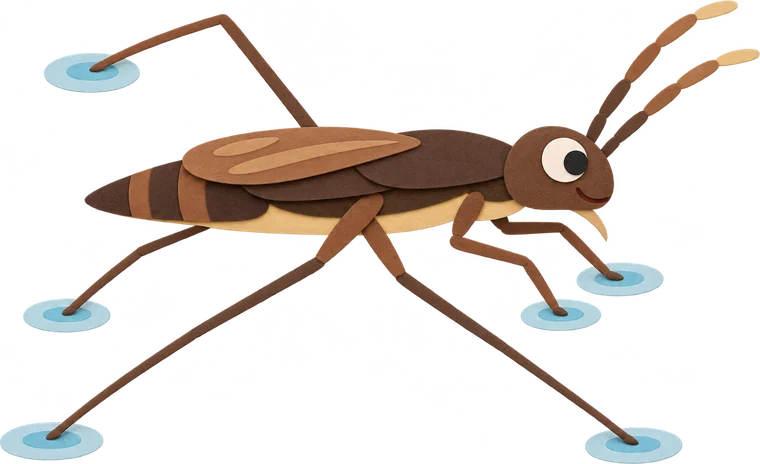 Water Strider Facts for Kids: How Does It Walk on Water?Length about 1.1-1.6 cm, not counting legs · Speed about 1 m (3 ft) per second. How water striders stand on water with water-repelling leg hairs, row with their middle legs and find food by feeling ripples, in simple words for young children.
-
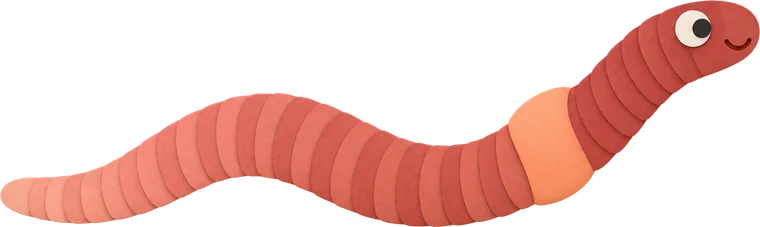 Earthworm Facts for Kids: Why Do Worms Come Out When It Rains?Length commonly about 7-10 cm (3-4 in). How earthworms breathe through their skin and move without legs, why they appear after rain, and how they keep soil healthy, in simple words for young children.
Space stories 10 stories
-
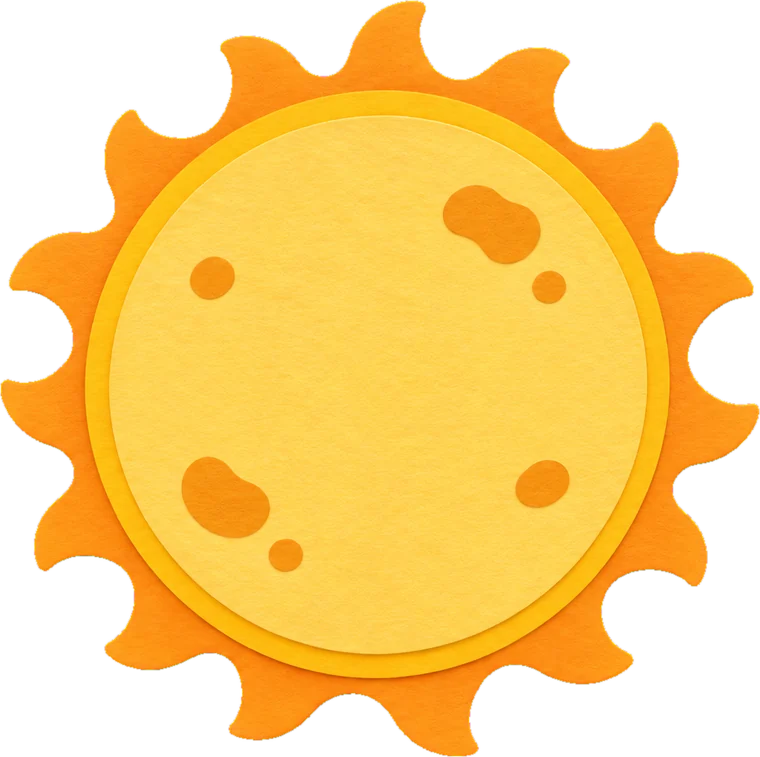 The Sun for Kids: Why Is It So Hot and How Big Is It? A Space Guide for Curious ChildrenDistance from Earth about 150 million km (93 million miles) · Surface temperature about 5,500 °C (10,000 °F). The Sun's size, temperature and distance, why we have day and night, and why the Sun is not really "on fire" - simple, checked answers for the questions children ask.
-
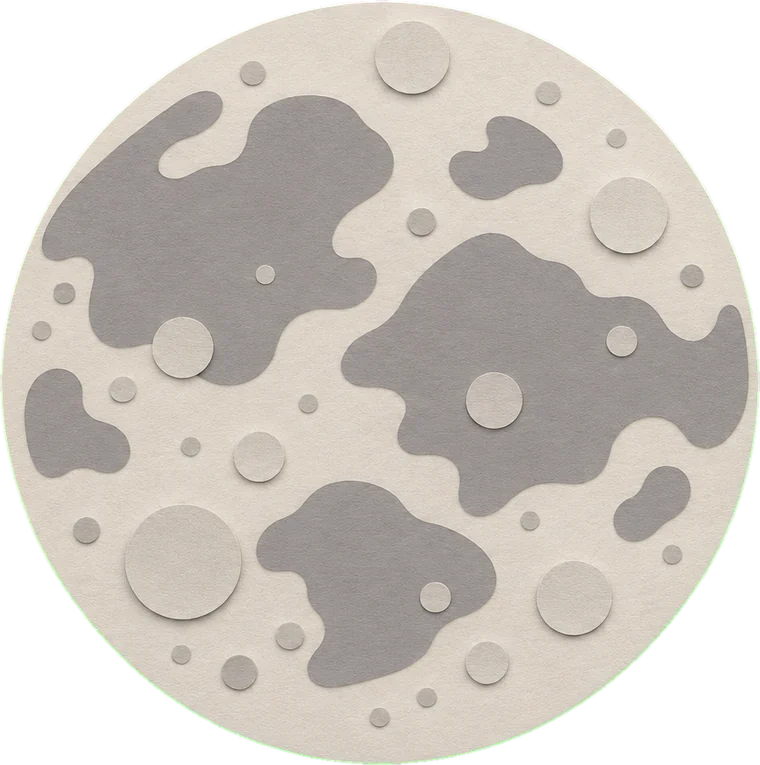 The Moon for Kids: Why Does It Change Shape and Follow Us? A Space Guide for Curious ChildrenDistance from Earth about 384,000 km on average (239,000 miles). The Moon's size and distance, why its shape changes through the month, why it seems to follow the car, and who has been there - simple, checked answers for children's questions.
-
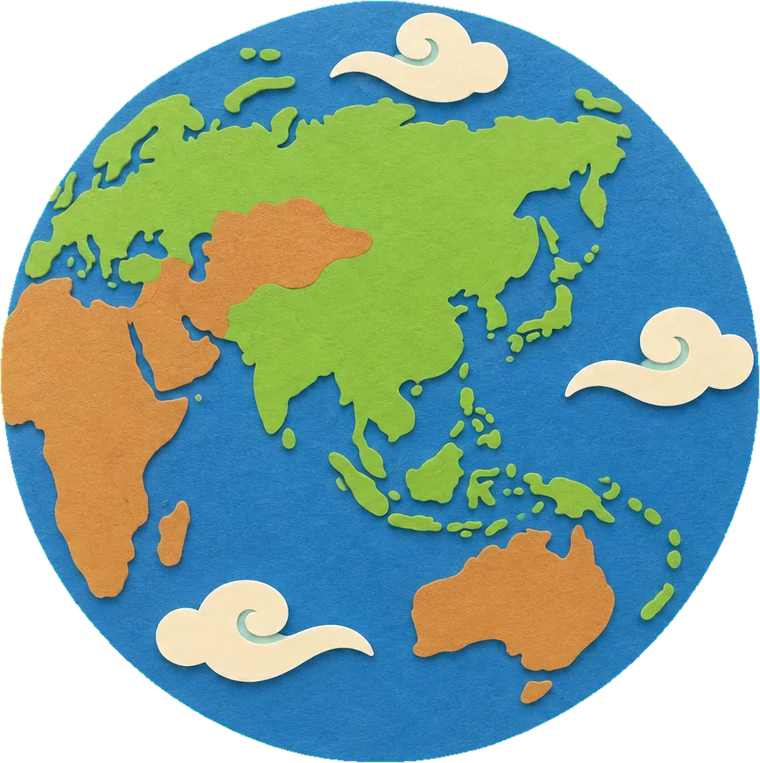 Planet Earth for Kids: If Earth Spins, Why Don't We Get Dizzy? A Space Guide for Curious ChildrenEarth's size and age, day and night, why we have seasons, and why nobody falls off the other side - simple, checked answers to the questions children ask.
-
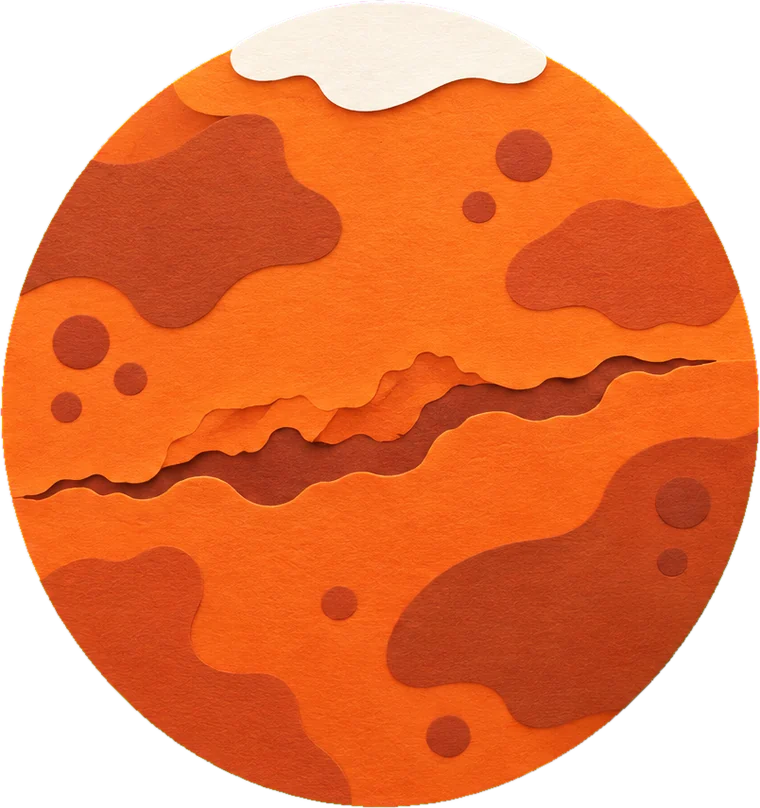 Mars for Kids: Why Is Mars Red and Could We Live There? A Space Guide for Curious ChildrenThe size of Mars, the length of its day, the secret of its red colour, its giant volcano and its robot explorers - simple, checked answers to children's questions.
-
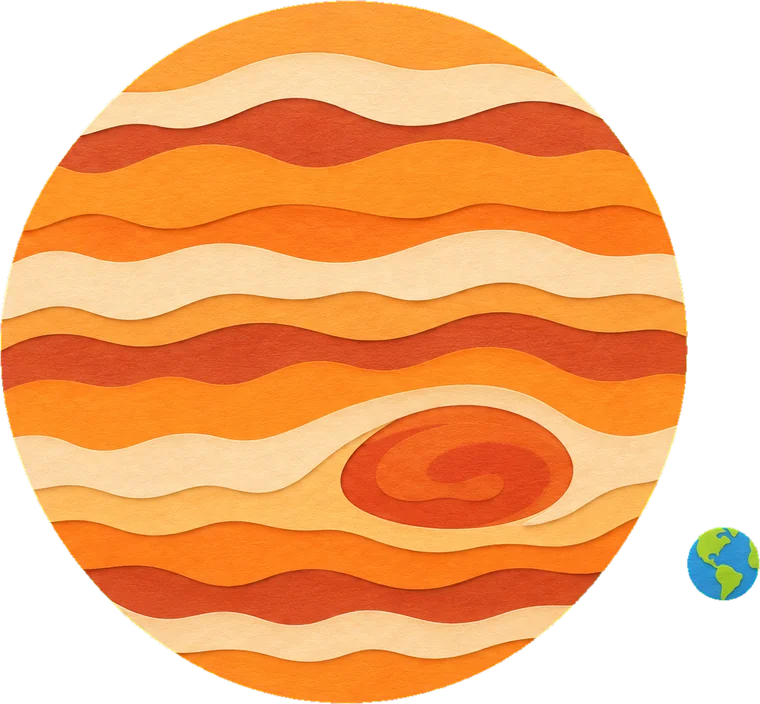 Jupiter for Kids: What Is the Red Spot and How Big Is Jupiter? A Space Guide for Curious ChildrenJupiter's size and stripes, the storm that is wider than Earth, and its more than 110 known moons - simple, checked answers to the questions children ask.
-
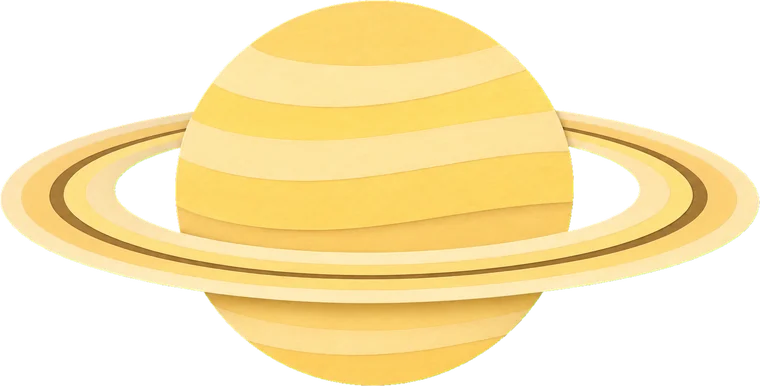 Saturn for Kids: What Are Saturn's Rings Made Of? A Space Guide for Curious ChildrenSaturn's size, the secret of its icy rings, its more than 290 known moons and whether it would really float - simple, checked answers to the questions children ask.
-
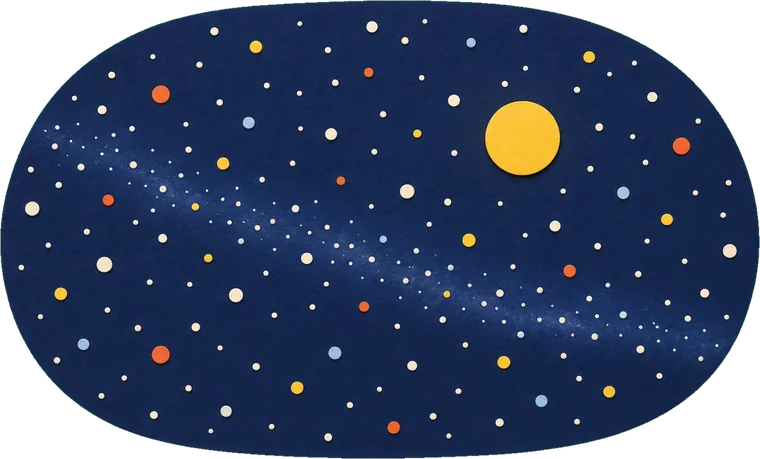 Stars for Kids: Why Do Stars Twinkle and Where Do They Go by Day? A Space Guide for Curious ChildrenWhy stars twinkle, why we cannot see them by day, why they come in different colours and how many there are - simple, checked answers to the questions children ask.
-
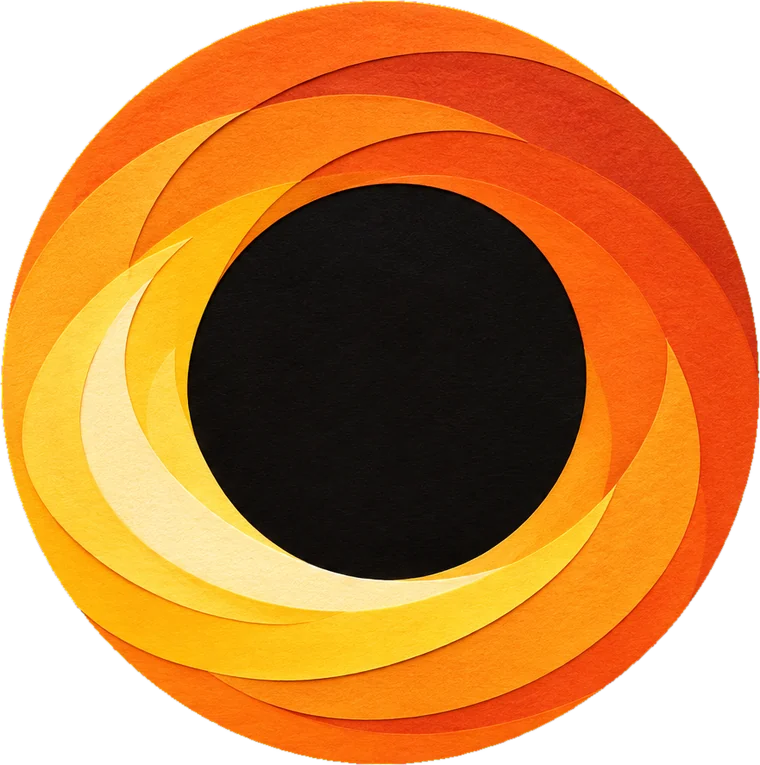 Black Holes for Kids: Do They Really Suck Everything In? A Space Guide for Curious ChildrenWhat a black hole is, how one forms, whether Earth is safe and how scientists took a picture of one - calm, checked answers to the questions children ask.
-
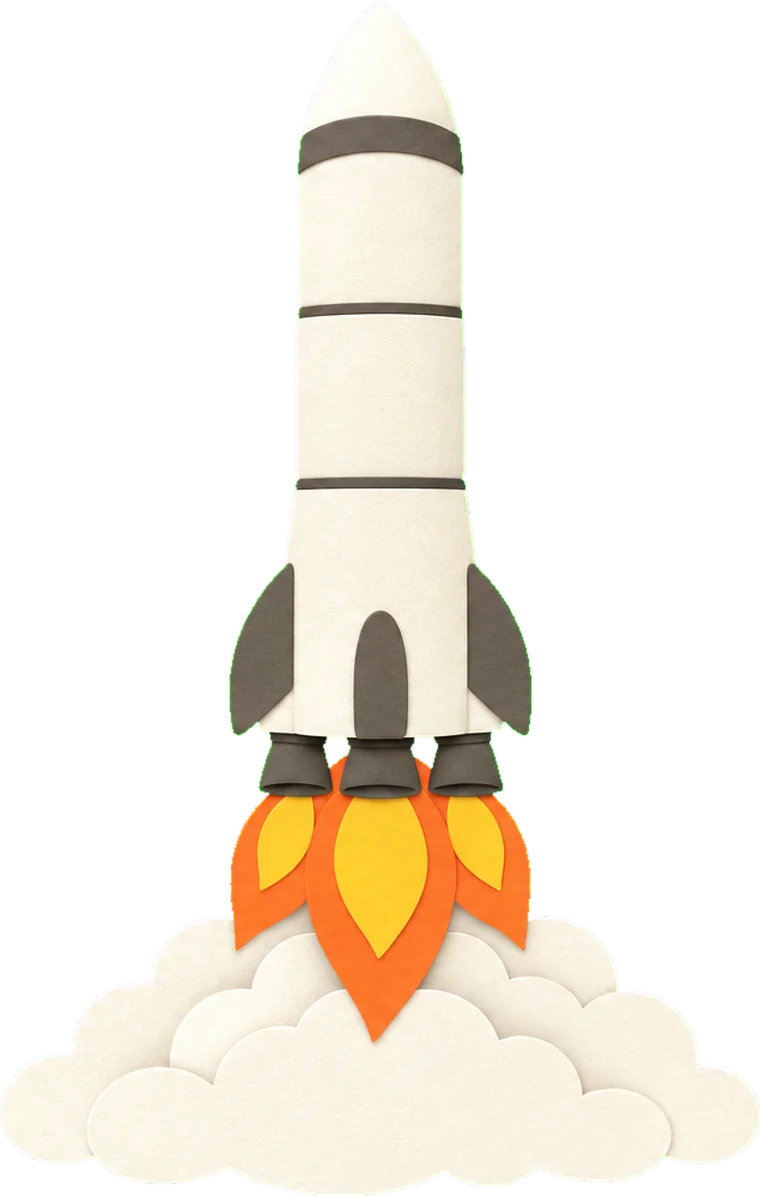 Rockets for Kids: How Does a Rocket Fly in Space With No Air? A Space Guide for Curious ChildrenSpeed to stay in orbit about 28,000 km/h (17,500 mph). How rockets work, how fast they go, why they drop their stages, and the story of Korea's Nuri rocket - simple, checked answers to the questions children ask.
-
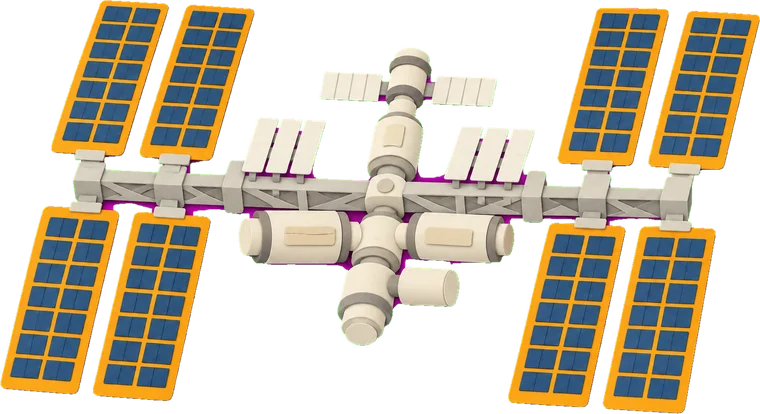 The Space Station for Kids: How Do Astronauts Eat and Sleep? A Space Guide for Curious ChildrenSize about 109 m long and 73 m wide (356 ft by 239 ft) · Height above the ground about 400 km (250 miles). The size, height and speed of the International Space Station, and how astronauts eat, sleep and use the toilet - simple, checked answers to the questions children ask.
Earth and weather stories 10 stories
-
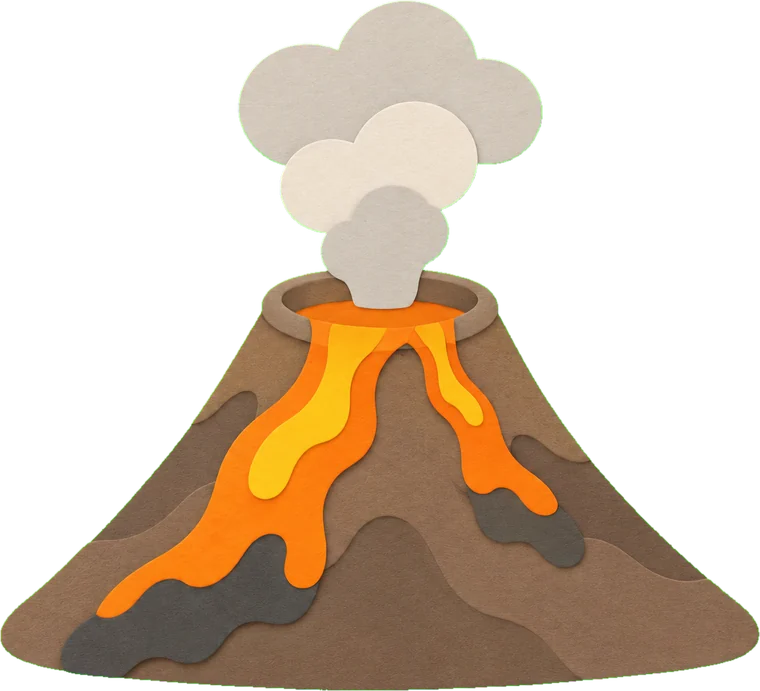 Volcano Facts for Kids: Why Do Volcanoes Erupt? Simple Answers for Curious ChildrenLava temperature about 800-1,200 °C (varies by volcano). Magma versus lava, how hot lava is, the Ring of Fire and Korea's own volcanoes, with a calm safety note, all in words a young child can follow.
-
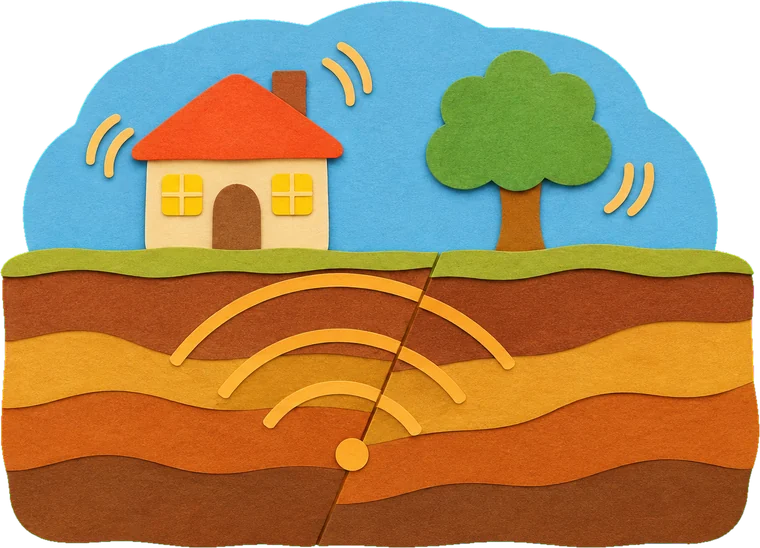 Earthquake Facts for Kids: Why Does the Ground Shake? Calm Answers for Curious ChildrenWhat causes earthquakes, what magnitude means, and the simple safety steps children learn in Korea, explained calmly in words a young child can follow.
-
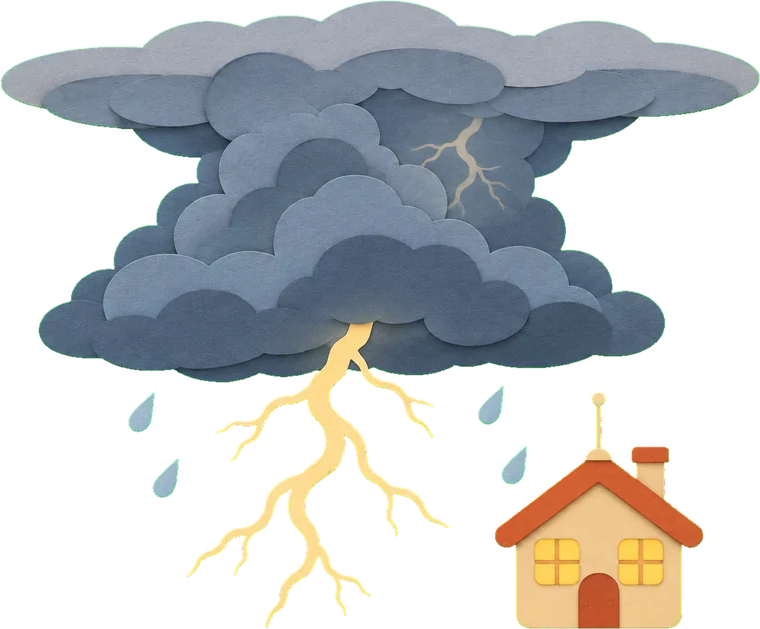 Lightning Facts for Kids: Why Does Lightning Flash and Thunder Come Later?Temperature about 28,000 °C, roughly 5 times the Sun's surface · Counting distance about 1 km for every 3 seconds. How lightning forms, what thunder is, how to count the distance to a storm, and the simple rule for staying safe, in words a young child can follow.
-
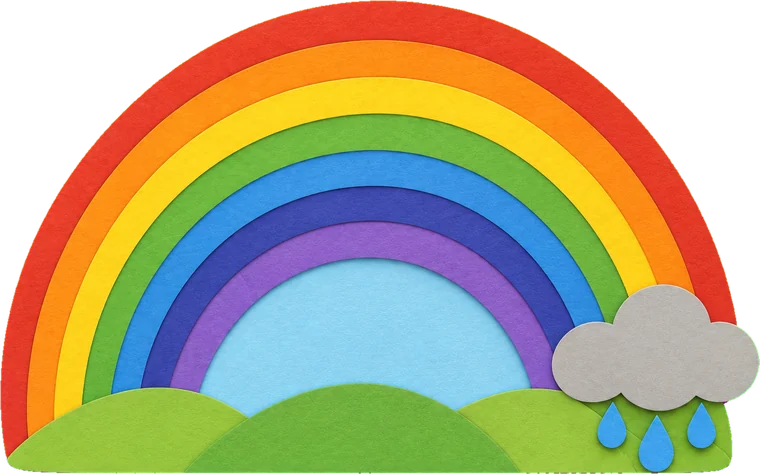 Rainbow Facts for Kids: Why Do Rainbows Appear and Why Are They Curved?How raindrops split sunlight into colours, the order of the colours, why a rainbow is really a circle, double rainbows, and how to make one at home.
-
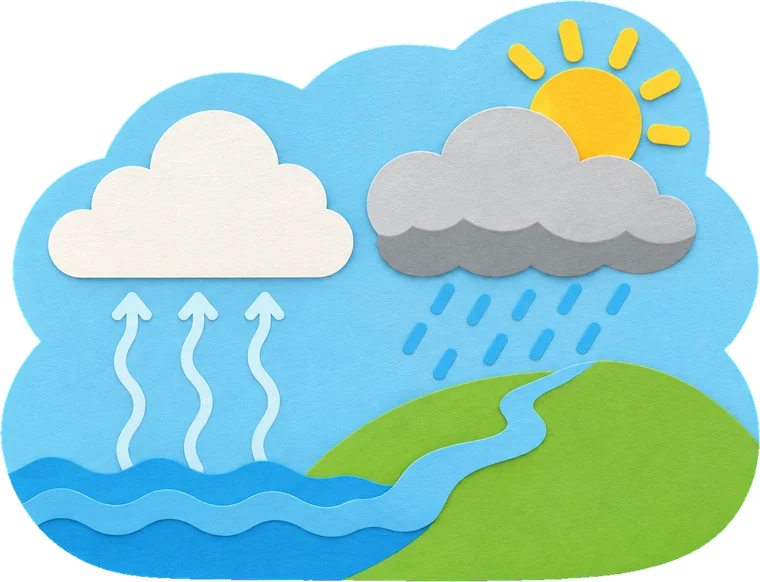 Clouds and Rain for Kids: Why Don't Clouds Fall, and Why Does It Rain?What clouds are made of, why they float, how rain forms, the real shape of a raindrop and the water cycle, in words a young child can follow.
-
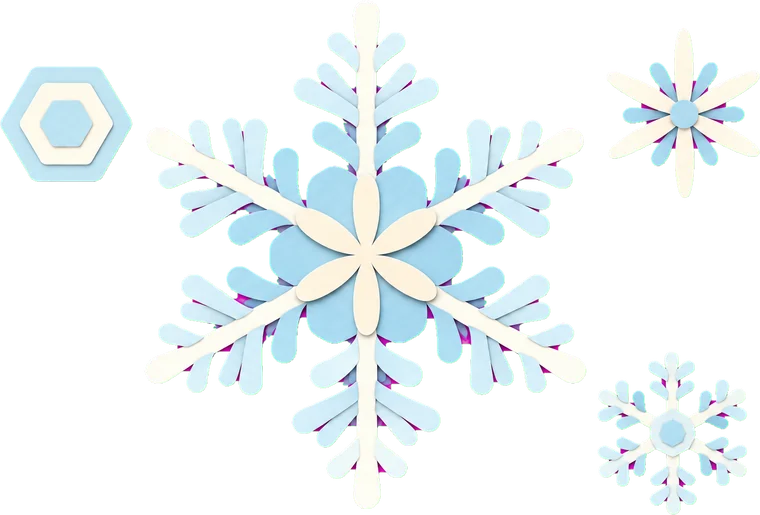 Snow Facts for Kids: Why Is Snow White and Why Do Snow Crystals Have Six Sides?Snowflake size most are under 1.3 cm. How snow forms in clouds, why crystals are six-sided, why clear ice looks white, and whether it is true that no two snowflakes are alike.
-
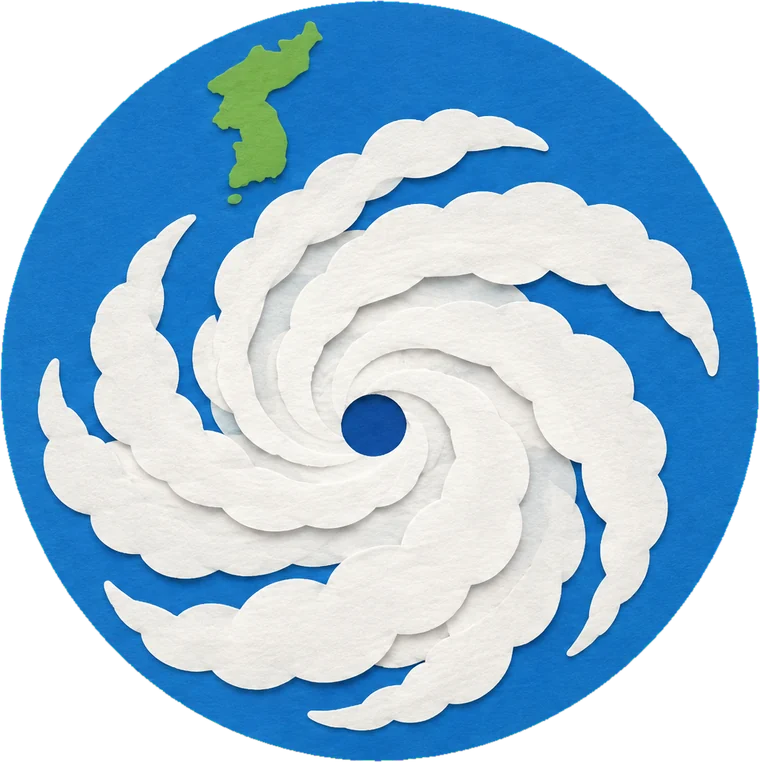 Typhoon Facts for Kids: How Do Typhoons Form and What Is the Eye?Wind speed 17 m/s (about 61 km/h) or more. How typhoons form over warm seas, what the eye is, how they get their names, how they differ from tornadoes, and how families stay safe indoors.
-
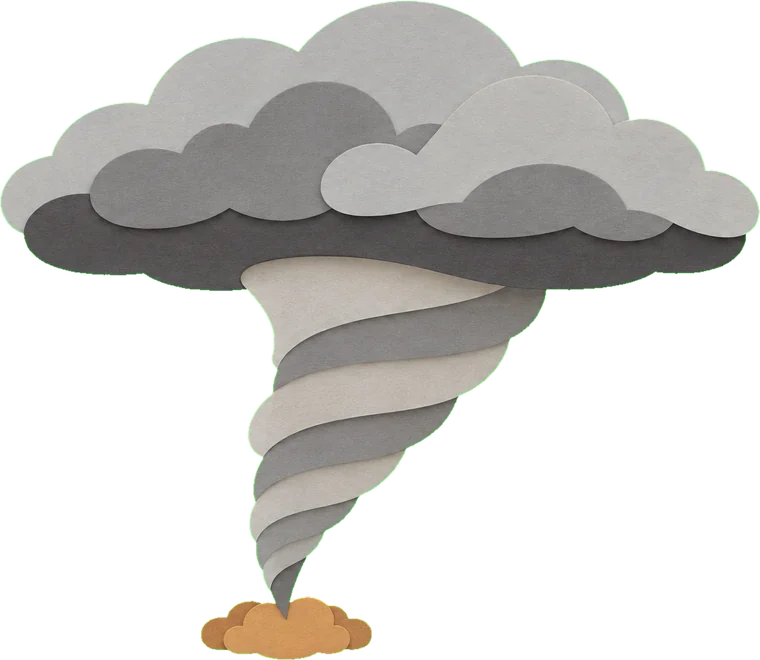 Tornado Facts for Kids: How Is a Tornado Different from a Typhoon?Wind speed most are under 180 km/h. What a tornado is, how it forms, how it differs from a typhoon or hurricane, how rare tornadoes are in Korea, and the simple safety rule, told without scares.
-
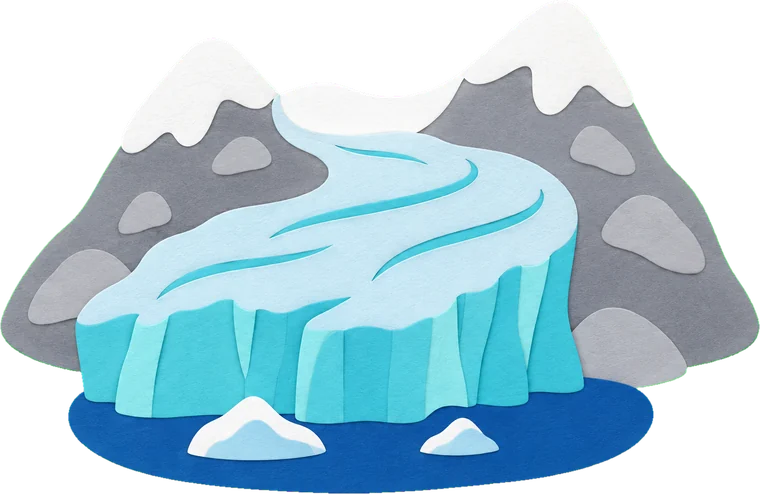 Glacier Facts for Kids: How Do Glaciers Form and Why Are They Blue?How snow turns into glacier ice, why glaciers flow, why the ice looks blue, how a glacier differs from an iceberg, and what melting means, in simple words.
-
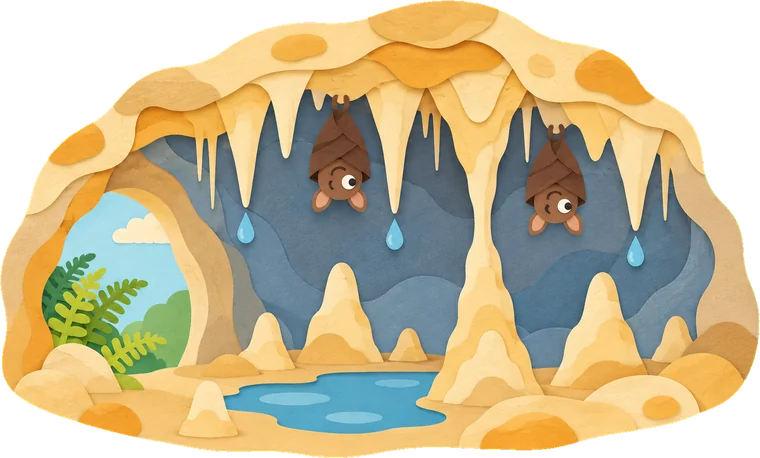 Cave Facts for Kids: How Do Caves Form and Why Do Stalactites Grow?How water and lava make caves, stalactites versus stalagmites, Jeju's Manjanggul lava tube, cave animals, and how to visit a cave safely with children.
Vehicle stories 18 stories
-
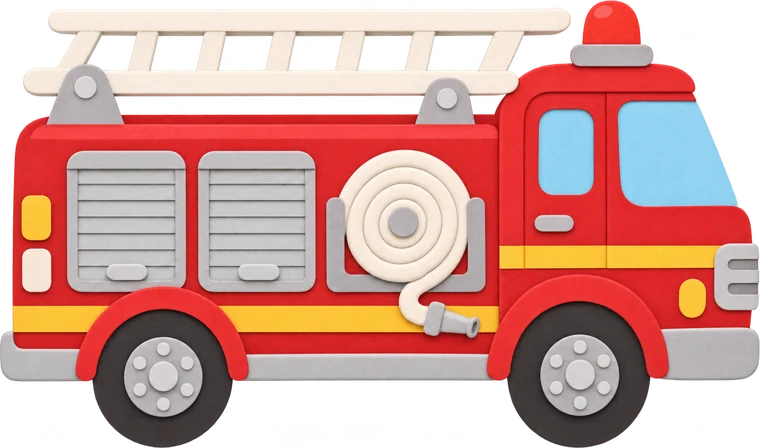 Fire Trucks for Kids: Where Does All the Water Come From? A Vehicle Guide for Curious ChildrenPumpers, tankers and ladder trucks, how high the ladder reaches, what a hydrant is for and what to do when you hear a siren - checked answers to the questions children ask.
-
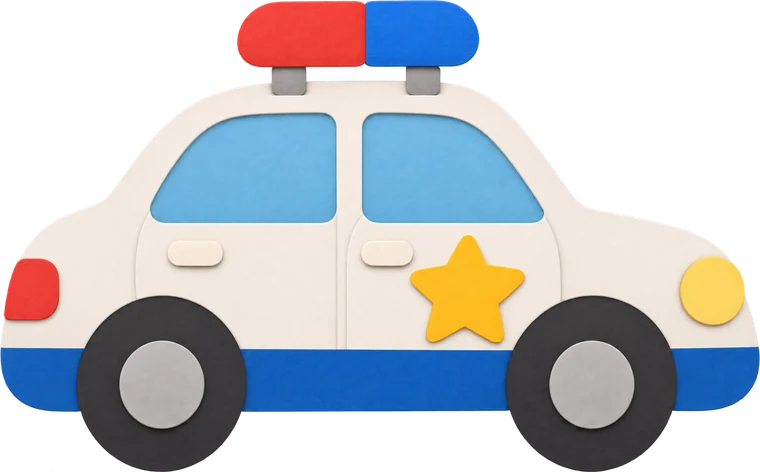 Police Cars for Kids: Why Do They Flash Red and Blue? A Vehicle Guide for Curious ChildrenWhat police cars do, what patrolling means, when to call 112, the lights and siren, and how to ask an officer for help if you are lost - checked, child-friendly answers.
-
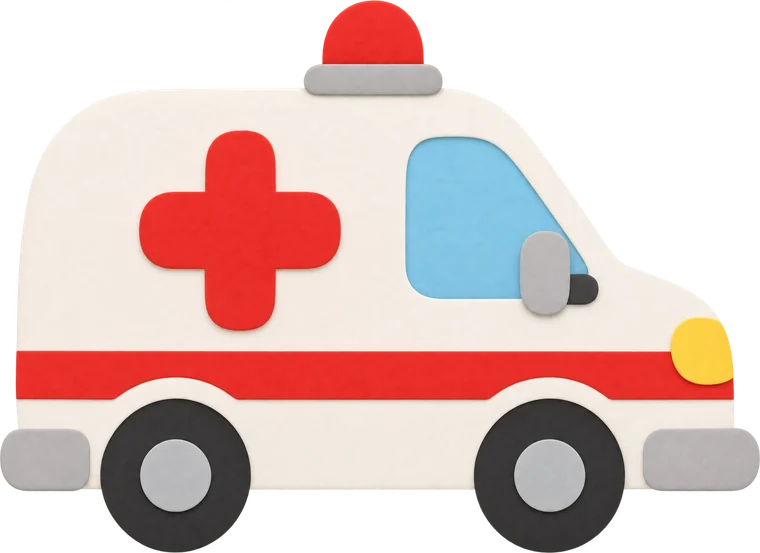 Ambulances for Kids: Why Is the Writing Backwards? A Vehicle Guide for Curious ChildrenWhat ambulances do, what is inside, who rides in them, the secret of the mirror writing, what to say when calling 119 and what to do when a siren comes - checked answers for children.
-
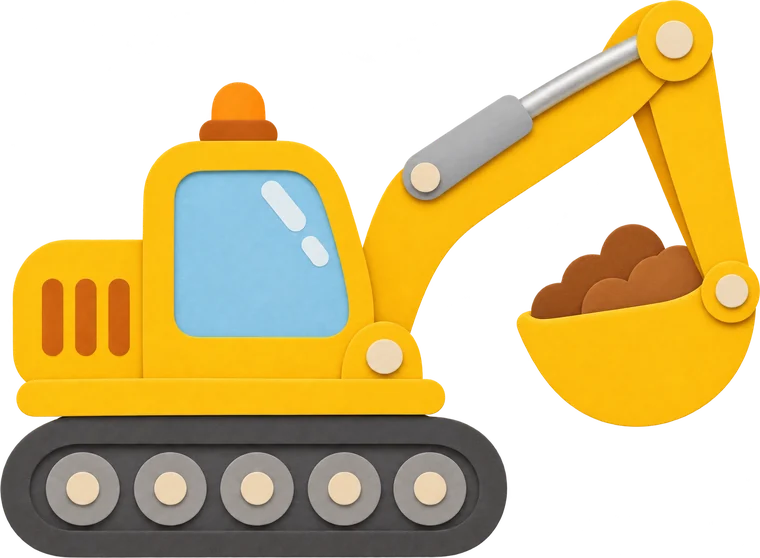 Excavators for Kids: How Can a Digger Be So Strong? A Vehicle Guide for Curious ChildrenWeight about 1 tonne for the smallest, tens of tonnes on big sites. The boom, arm and bucket, crawler tracks, the hydraulic power behind them, the spinning top half and how to watch a building site safely - checked answers for curious children.
-
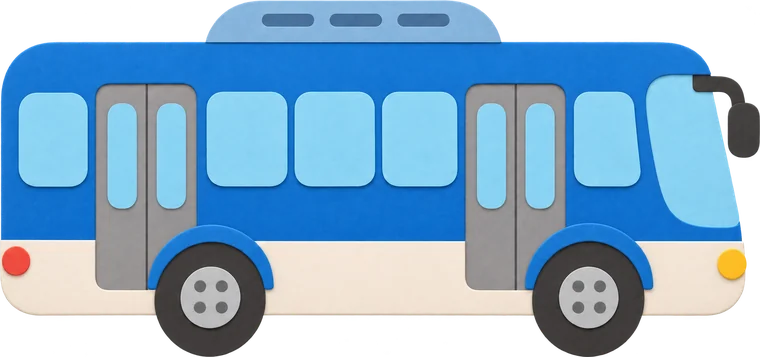 Buses for Kids: Why Are Buses Different Colours? A Vehicle Guide for Curious ChildrenLength (city bus) about 11 m (36 ft) · Bendy bus length about 18 m (59 ft). How long a bus is, bendy buses, the story of the stop bell, low-floor buses, what Seoul's bus colours mean and how to get on and off safely - checked answers for children.
-
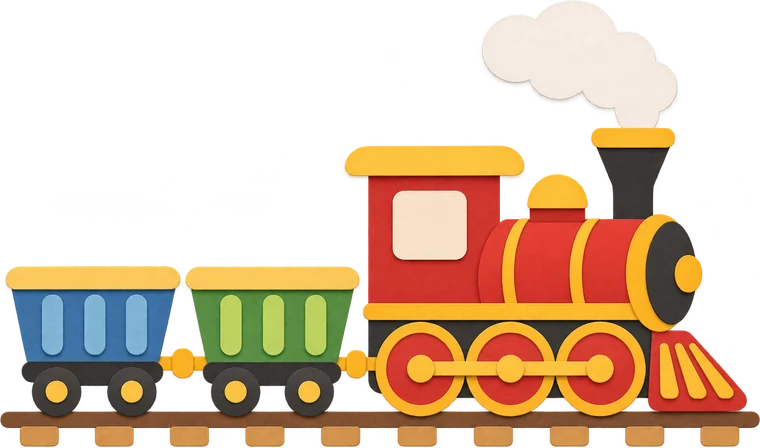 Trains for Kids: How Did a Choo-Choo Steam Train Work? A Vehicle Guide for Curious ChildrenWhy trains stay on the rails, how a steam engine works, Korea's first train in 1899, today's electric trains and pantographs, and staying safe at the station - checked answers for children.
-
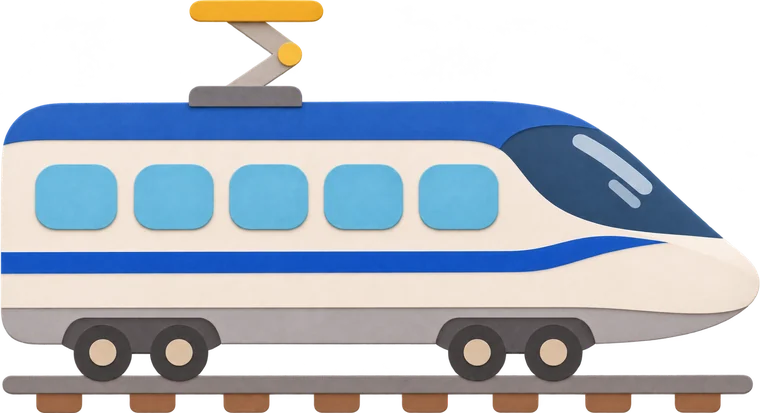 KTX for Kids: How Fast Is Korea's High-Speed Train, and Why Is Its Nose So Pointy? A Vehicle Guide for Curious ChildrenSpeed in service about 300 km/h (186 mph). How fast the KTX goes, how it gets its electricity, how long the trains are and how to wait safely on the platform - checked answers to the questions children ask.
-
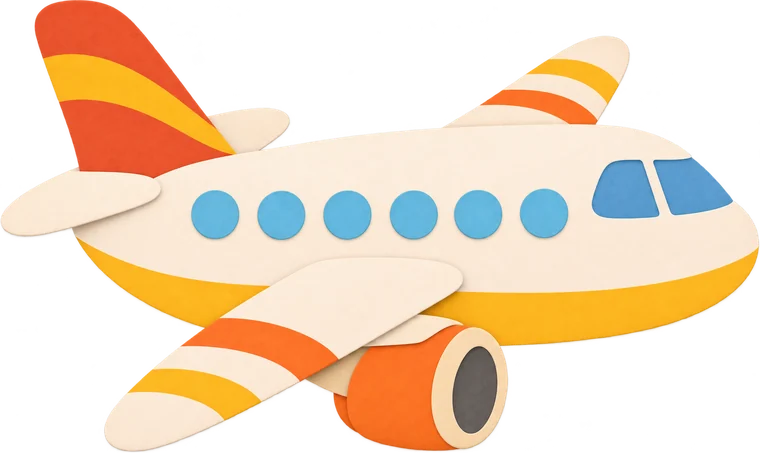 Airplanes for Kids: How Does a Heavy Plane Stay in the Sky? A Vehicle Guide for Curious ChildrenCruising speed about 800-900 km/h (500-560 mph) · Cruising height about 10 km (33,000-38,000 ft). How wings lift a plane, how high and fast airliners fly, where the wheels go, and why ears pop - simple, checked answers to the questions children ask.
-
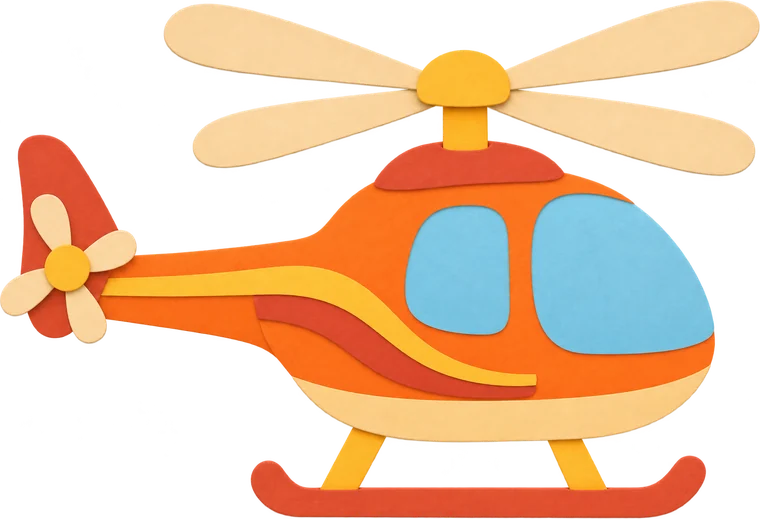 Helicopters for Kids: How Can a Helicopter Hover in One Place? A Vehicle Guide for Curious ChildrenAir ambulance speed about 220-260 km/h (135-160 mph) · Air ambulance length about 10-15 m (33-48 ft). How rotor blades lift a helicopter, what the tail rotor is for, the jobs helicopters do and how to stay safe near a landing site - checked answers for curious children.
-
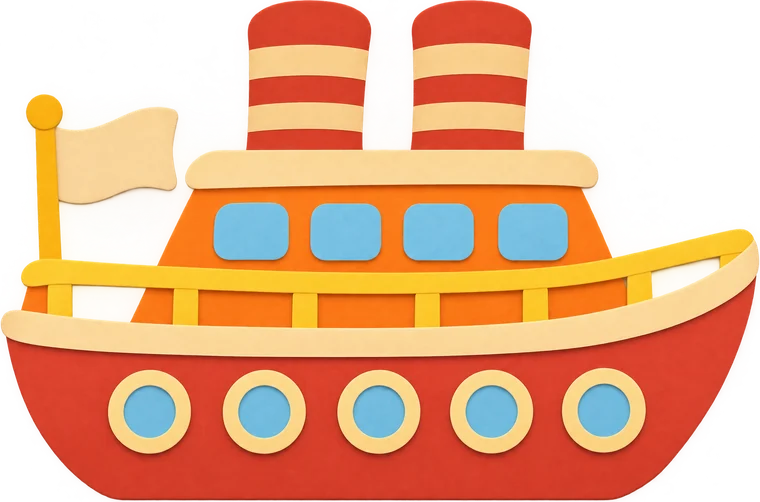 Ships for Kids: Why Doesn't a Heavy Iron Ship Sink? A Vehicle Guide for Curious ChildrenSpeed unit knots (1 knot = 1.852 km/h, about 1.15 mph). Why steel ships float, how propellers and rudders work, why speed is measured in knots, red and green night lights and life jacket safety - checked answers for children.
-
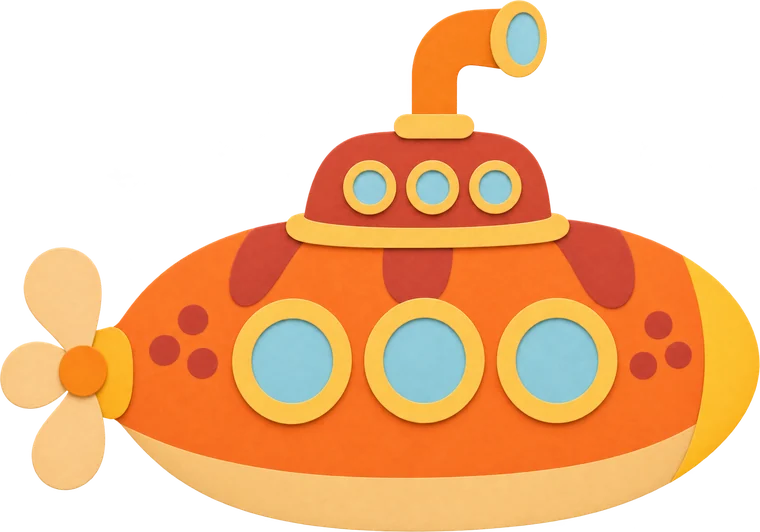 Submarines for Kids: How Does a Submarine Sink and Float Back Up? A Vehicle Guide for Curious ChildrenHow ballast tanks let a submarine dive and surface, what a periscope and sonar do, and how the crew breathe underwater - checked answers to the questions children ask.
-
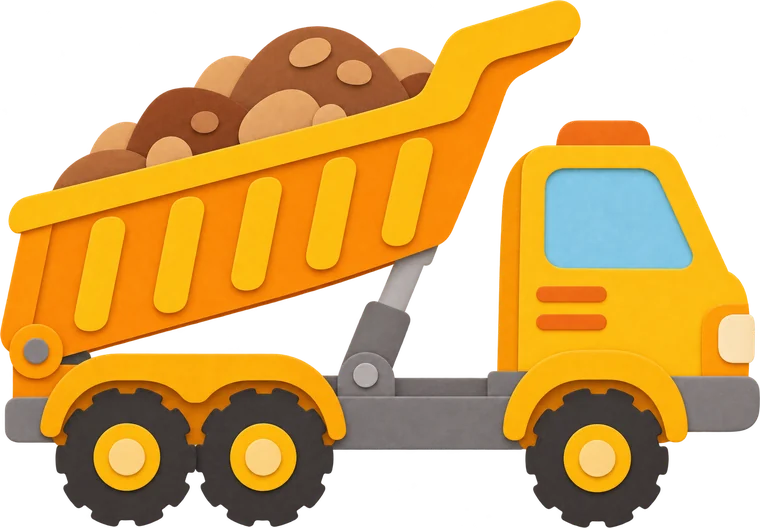 Dump Trucks for Kids: How Does the Back Lift Up? A Vehicle Guide for Curious ChildrenIts size about 20 m long, 8 m tall (67 ft, 27 ft). How a dump truck tips its load with hydraulics, how much it carries, the giant trucks used in mines, and why children should stay out of a big truck's blind spot - simple, checked answers.
-
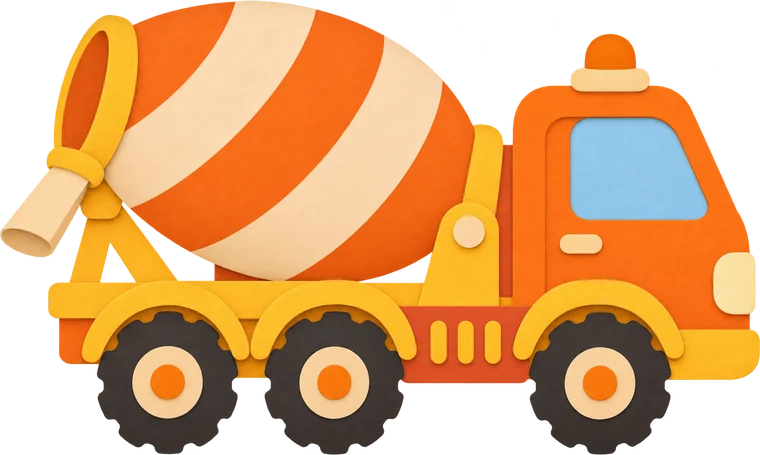 Concrete Mixer Trucks for Kids: Why Does the Drum Keep Spinning? A Vehicle Guide for Curious ChildrenWhy a mixer truck's drum never stops turning, the spiral blade that mixes and pours, and why concrete must arrive within about 90 minutes - simple, checked answers to children's questions.
-
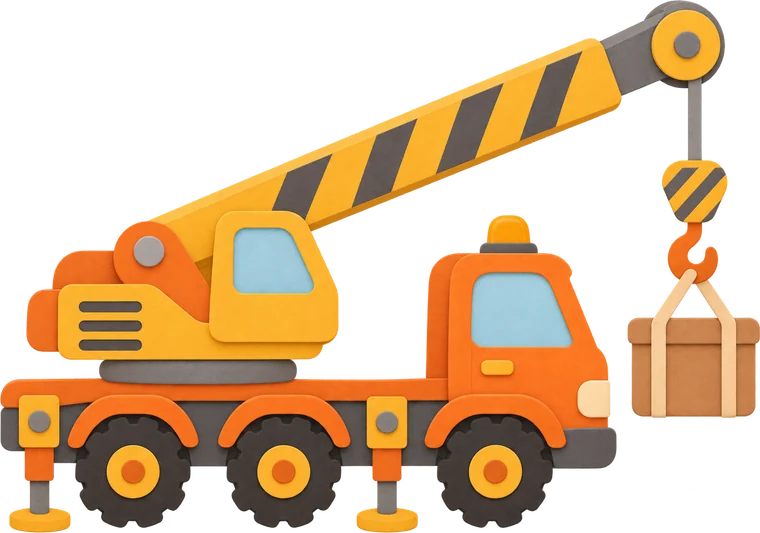 Cranes for Kids: Why Don't Cranes Tip Over? A Vehicle Guide for Curious ChildrenHow a crane lifts with pulleys and wire rope, why outriggers and counterweights keep it upright, how a telescopic boom and a tower crane grow - simple, checked answers to children's questions.
-
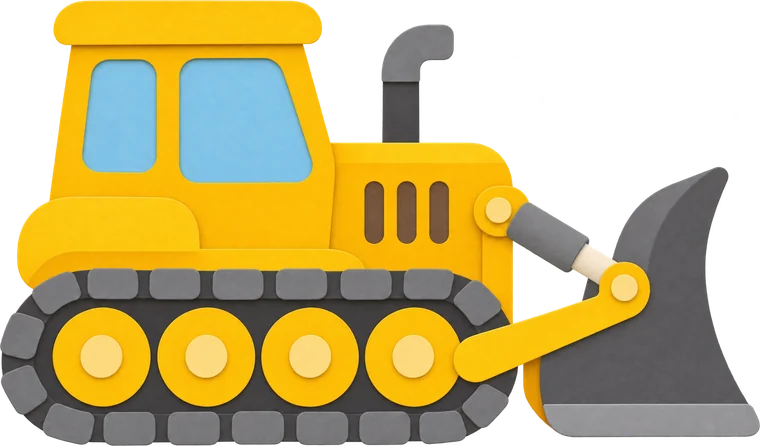 Bulldozers for Kids: Why Tracks Instead of Wheels? A Vehicle Guide for Curious ChildrenSpeed about 10 km/h (6 mph) · Weight from about 3 t to over 100 t. How a bulldozer pushes with its blade, why it runs on crawler tracks, how it differs from an excavator, and how big the biggest one is - simple, checked answers to children's questions.
-
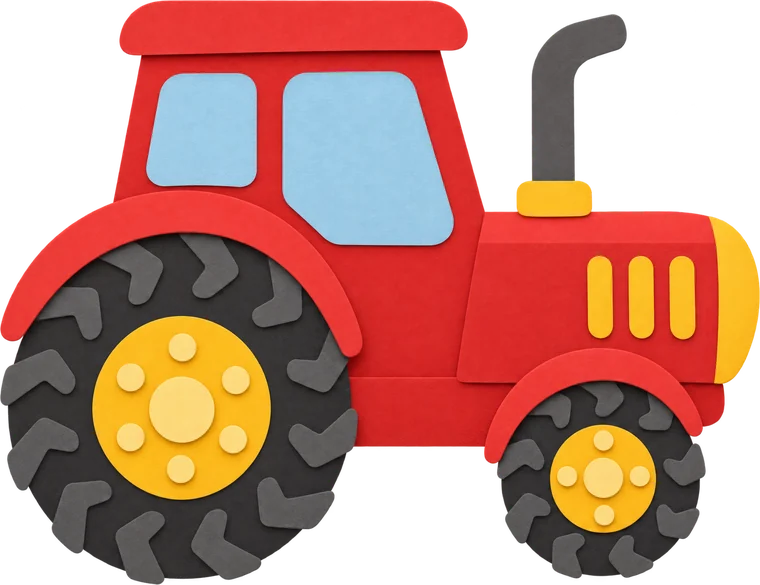 Tractors for Kids: Why Are the Back Wheels So Big? A Vehicle Guide for Curious ChildrenWhy tractors have huge back wheels and chunky tyres, what ploughs and tillers do, the spinning power take-off, the first petrol tractor of 1892, and farm safety - simple, checked answers.
-
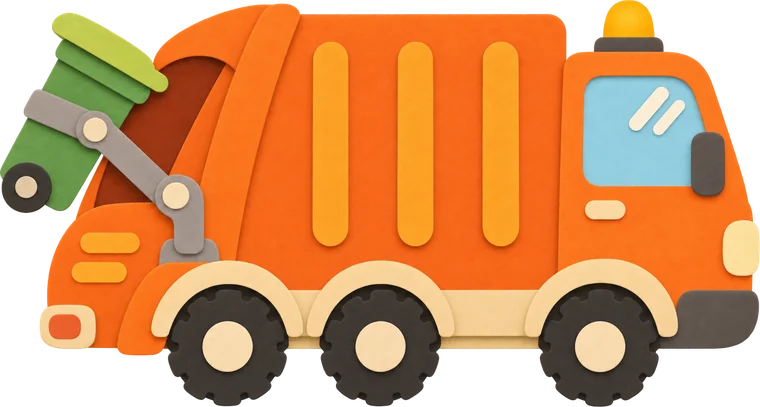 Garbage Trucks for Kids: Why Does It Squash the Rubbish? A Vehicle Guide for Curious ChildrenHow a garbage truck squashes rubbish with a hydraulic plate, the arm that lifts bins, the crews who work with it, staying safe around it and sorting recycling at home - simple, checked answers.
-
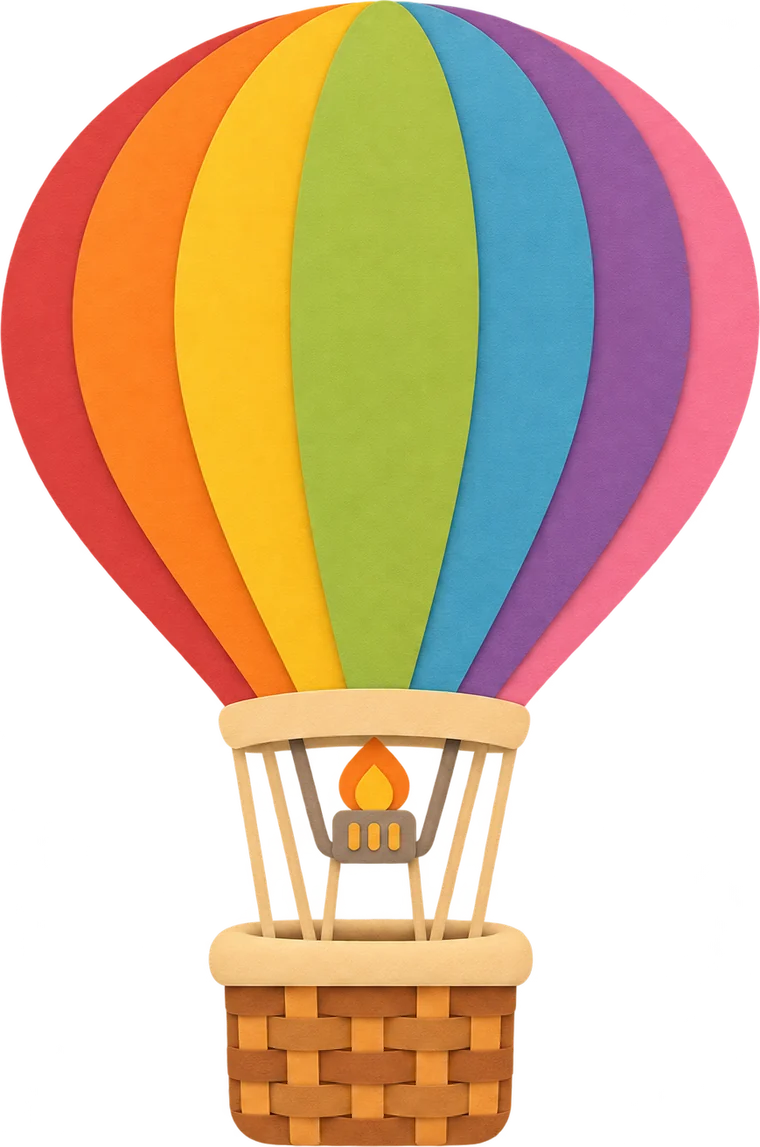 Hot Air Balloons for Kids: How Does a Balloon Rise Into the Sky? A Vehicle Guide for Curious ChildrenHeight record about 21 km (69,000 ft), 2005. Why hot air makes a balloon rise, what the burner, vent and basket do, how pilots steer with the wind, and the sheep, duck and rooster who flew first - checked answers.