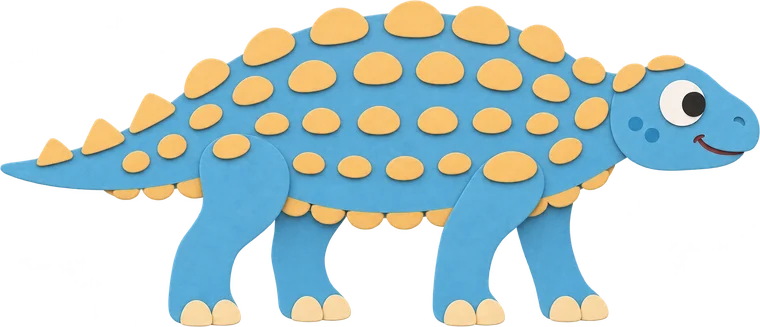
"Isn't this a Stegosaurus?" Your child points at a picture of a plated dinosaur, but the label shows a long name you have not seen before.
Tuojiangosaurus was a plated dinosaur that lived in the Late Jurassic in what is now Sichuan, China. It was as long as a small bus, with pointed plates standing in two rows on its back and sharp spikes at the end of its tail. It was also found in China while a dam was being built. Below are the questions children ask most, with answers at a child's level. You can read them just as they are.
Fact cardTuojiangosaurus
- Name means
- Tuo River lizard
- Lived
- Late Jurassic (about 163 to 157 million years ago)
- Length
- about 7 m (23 ft)
- Weight
- about 1.5 to 2.8 tonnes
- Food
- Plant-eater
- Found in
- Asia (Sichuan, China)
- Group
- Armoured and plated dinosaurs
- Pointed plates in two rows on its back
- Sharp spikes at the end of its tail
- A small head held low
How big was Tuojiangosaurus? Measure it with your own height
When your child asks, answer like this
 What does Tuojiangosaurus mean?

How big was it?
What did it eat?
What did it do when a scary dinosaur came?
Who lived with it?
- Yangchuanosaurus predatorsame time and place
Yangchuanosaurus was a big meat-eating dinosaur that lived in the same place at the same time. Tuojiangosaurus probably stood up to it by swinging its tail spikes. - Mamenchisaurus neighboursame time and place
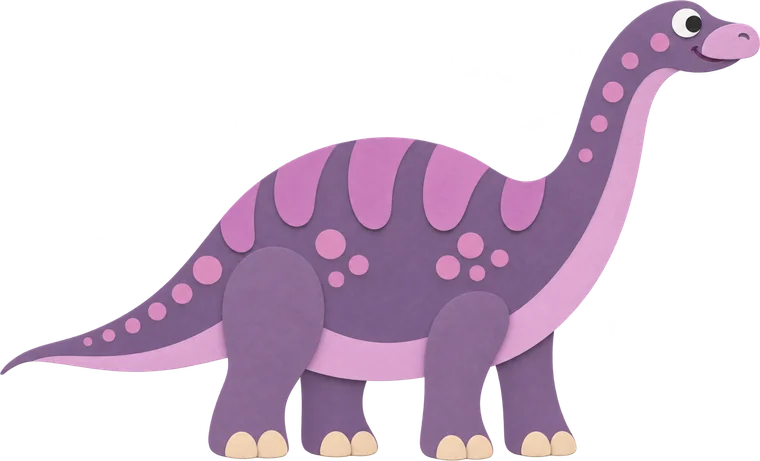
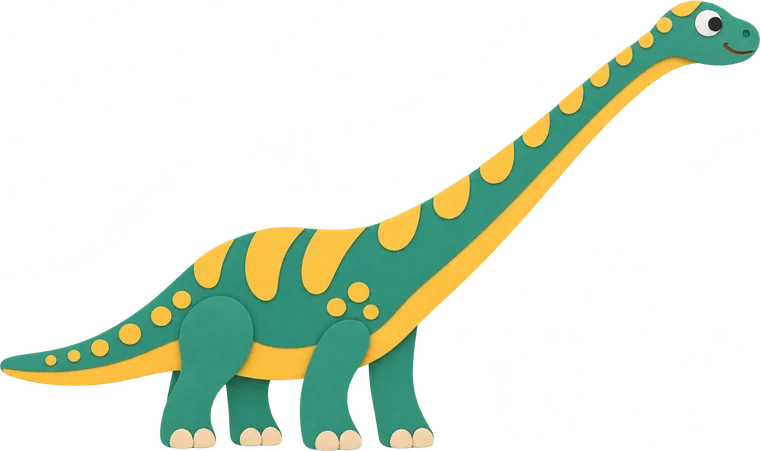
Mamenchisaurus, with its very long neck, lived in the same forest too. Mamenchisaurus probably ate the high leaves and Tuojiangosaurus the low ones. - Chungkingosaurus rivalsame time and place
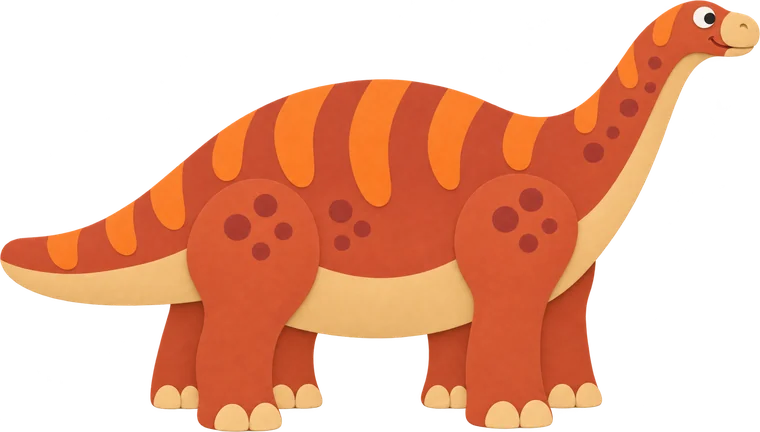
Chungkingosaurus, a smaller plated dinosaur, lived in the same place too. Both ate low plants, so they probably competed for food.
When and where did it live?
What was it like as a baby? Did it live with friends?
Are there dinosaurs that look like it?
Who found it first?
Tuojiangosaurus facts that make kids say “Wow!”
- Tuojiangosaurus is a plated dinosaur that was found in China while a dam was being built.
- When it was found, it was the plated dinosaur fossil from Asia with the most bones still in place.
- A model skeleton of Tuojiangosaurus is on show at the Natural History Museum in London, England.
- In a museum in Beijing, China, there are skeletons of Tuojiangosaurus and Yangchuanosaurus set up facing each other.
From head to tail
- About seventeen pairs of plates and spikes stood side by side in two rows on its back.
- It had more than 25 small teeth on each side of its lower jaw.
- It was about 6.5 to 7 m (21 to 23 ft) long, as long as a small bus.
- The spikes at the end of its tail pointed out to the sides, lying at a slant.
A Tuojiangosaurus story to read aloud
Tuojiangosaurus walks slowly through the forest where the river runs. It holds its small head low and snips off ferns with its beak. High above its head, long-necked Mamenchisaurus is eating tree leaves. A little way off there is small Chungkingosaurus too. Then the meat-eating dinosaur Yangchuanosaurus comes closer. Tuojiangosaurus swings its spiked tail from side to side. When Yangchuanosaurus backs away, it goes quietly back to eating ferns.
A quiz to do together
Tap an answer.
What was being built when Tuojiangosaurus was found?
In which country was Tuojiangosaurus found?
Which plated dinosaur from North America looks like Tuojiangosaurus?
You finished the quiz! Well done.
Colouring page
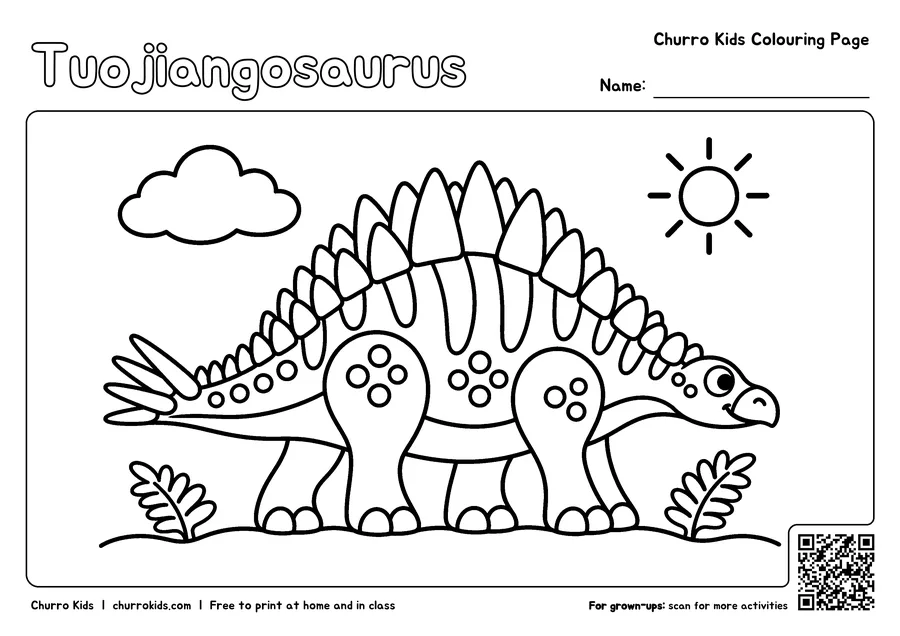
One A4 page, and it is free. Print it freely at home or in class.
Good for parents to know
- Sources give its weight as anywhere from about 1.5 to 2.8 tonnes. So this guide gives about 1.5 to 2.8 tonnes.
- Some model skeletons in museums have big spikes on the shoulders. These shoulder spikes have not been confirmed by the fossils. If your child asks, you can say "nobody knows yet if it really had shoulder spikes."
- It looks very much like Stegosaurus. The plates of Tuojiangosaurus are narrower and more pointed, its two rows stand in matching pairs, and it lived in Asia. The idea that it swung its tail spikes to stand up to Yangchuanosaurus is a guess.