Stories · Sea Friends · Sea animal
Sea Turtle Facts for Kids: Can a Sea Turtle Hide in Its Shell?
· Churro Kids
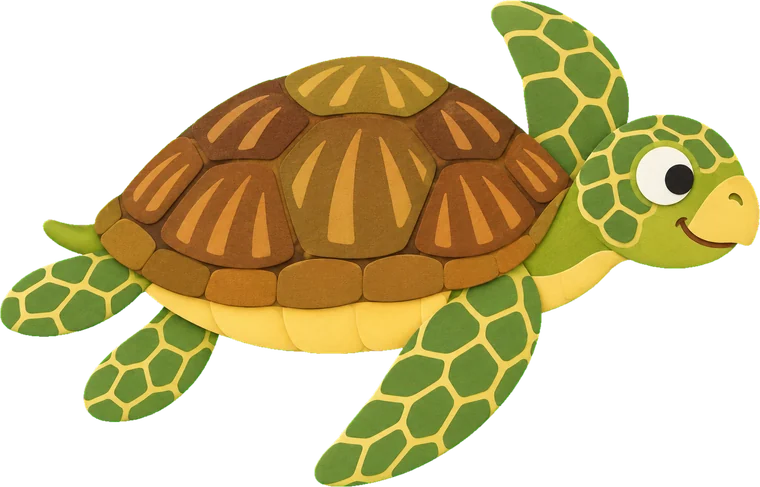
Walking alongside a sea turtle gliding past the aquarium glass, a child asks, "When it's scared, it hides in its shell, right?"
Unlike a tortoise, a sea turtle cannot pull its head or flippers into its shell. Instead it crosses the open ocean on broad, paddle-like flippers. It is an air-breathing reptile, and a mother returns to the area where she hatched to lay about 100 eggs in the sand. Below are the questions children ask most, with answers at their level, ready to read aloud.
Fact cardSea Turtle Sea animal · reptile
- Kinds
- 7 species worldwide
- Size
- green turtle about 1 m (3-4 ft); leatherback about 1.5-1.8 m (5-6 ft)
- Weight
- green turtle about 110-180 kg (250-400 lb)
- Food
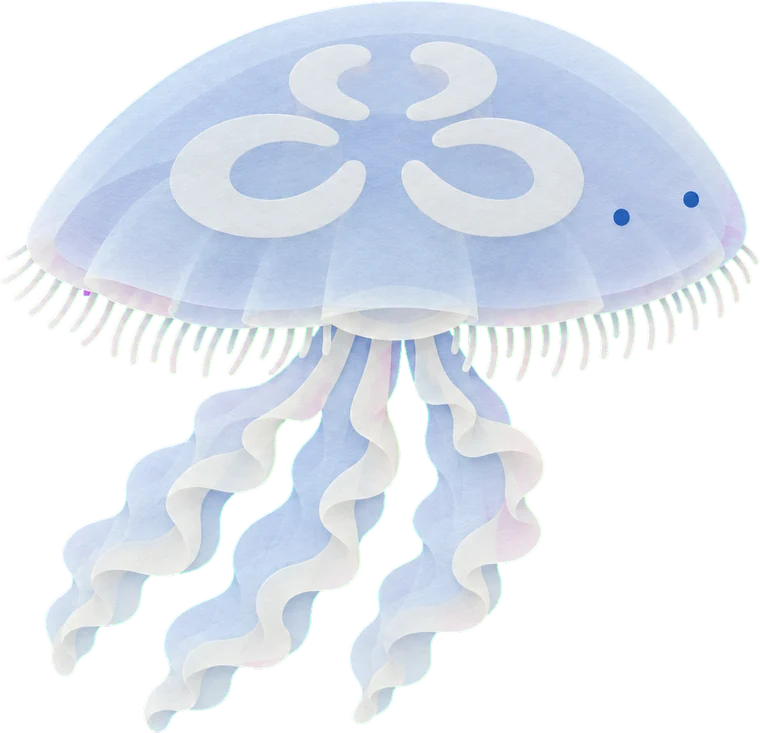
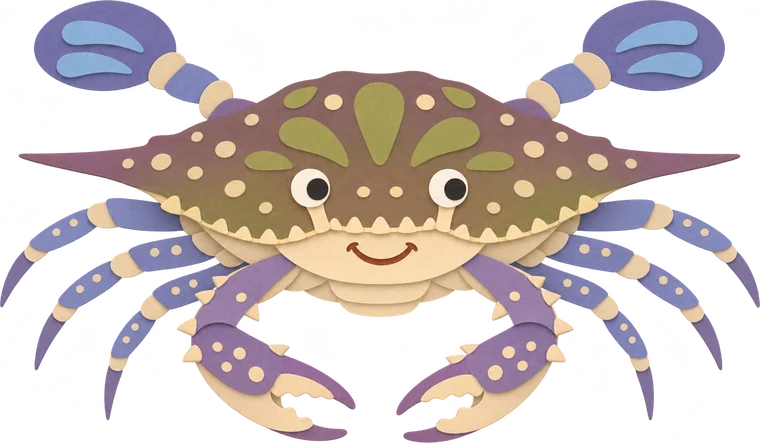
- seagrass, jellyfish, crabs (it depends on the species)
- Eggs
- about 100 in a nest
- Lifespan
- estimated at 50 to more than 70 years
- The traveller that returns to the beach where it was born
Sea Turtle in a child's words
- There are seven kinds of sea turtle. The largest, the leatherback, is about 1.5 to 1.8 metres long (5-6 ft).
- Unlike land tortoises, a sea turtle cannot pull its head and limbs into its shell.
- Its limbs are broad flippers, and it swims by beating them rather like wings.
- A sea turtle is a reptile, not a fish, so it comes to the surface to breathe air.
- A mother digs a hole in the sand and lays about 100 eggs at a time. They hatch roughly two months later.
- To lay her eggs, a mother is thought to return to the area of the beach where she herself hatched.
Sea Turtle: measure it with your own height
When your child asks, answer like this
 Can a sea turtle hide inside its shell?

Can a sea turtle breathe underwater?
What do sea turtles eat?
Why do baby turtles run to the sea?
How long do sea turtles live?
What decides whether a baby turtle is a boy or a girl?
Why do sea turtles cry?
Sea Turtle facts that make kids say “Wow!”
- Sea turtles have been swimming the oceans for more than 100 million years, since the time of the dinosaurs.
- A leatherback may swim more than 16,000 kilometres (10,000 miles) in a year.
- Warm sand around the eggs produces more females; cooler sand produces more males.
A quiz to do together
Tap an answer.
Can a sea turtle pull its head into its shell?
Where does a mother sea turtle lay her eggs?
How does a sea turtle breathe?
You finished the quiz! Well done.
Colouring page
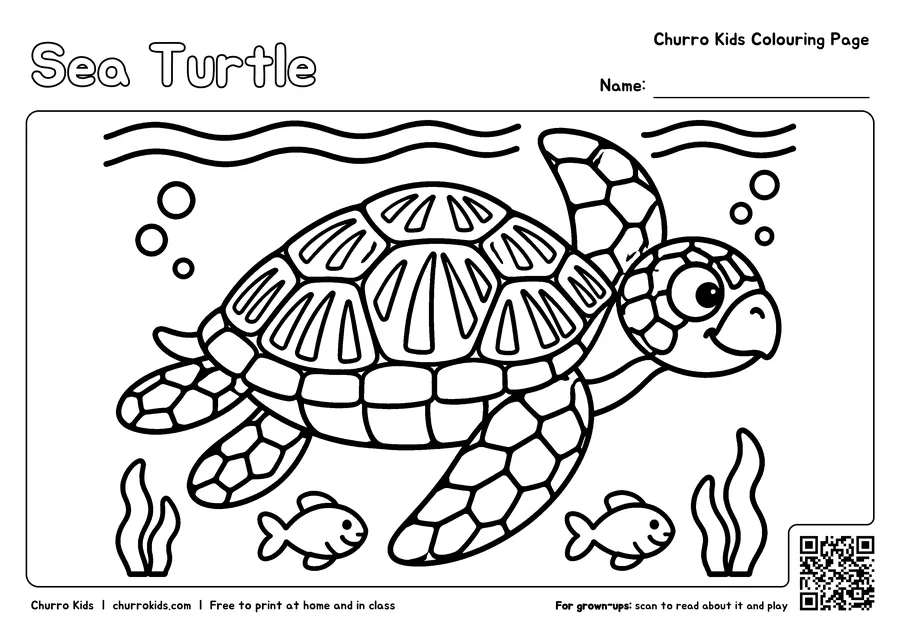
One A4 page, and it is free. Print it freely at home or in class.
Good for parents to know
- Lifespan and age at maturity are not known precisely; sources give 50-100 years or "70 or more". The old saying that turtles live a thousand years is not true. Leatherback sizes also vary by source, from 1.4 m to over 2 m.
- By some estimates only about one hatchling in a thousand survives to adulthood. For a child, a gentle version works: "That's why the mother lays so many eggs."
- Most of the seven species are threatened. Five have been recorded in Korean waters, including green and loggerhead turtles, and are protected. Discarded plastic and fishing nets are a major danger, so taking litter home from the beach is a good place to start.
Things to try together
- Lie on your tummy and sweep both arms like oars to swim the way a sea turtle does with its front flippers.
- In a sandpit, dig a hole by hand, put in a few table-tennis balls or marbles and cover them up, the way a mother turtle hides her eggs.
- At the beach or the park, pick up plastic litter together, with a grown-up and with gloves on.